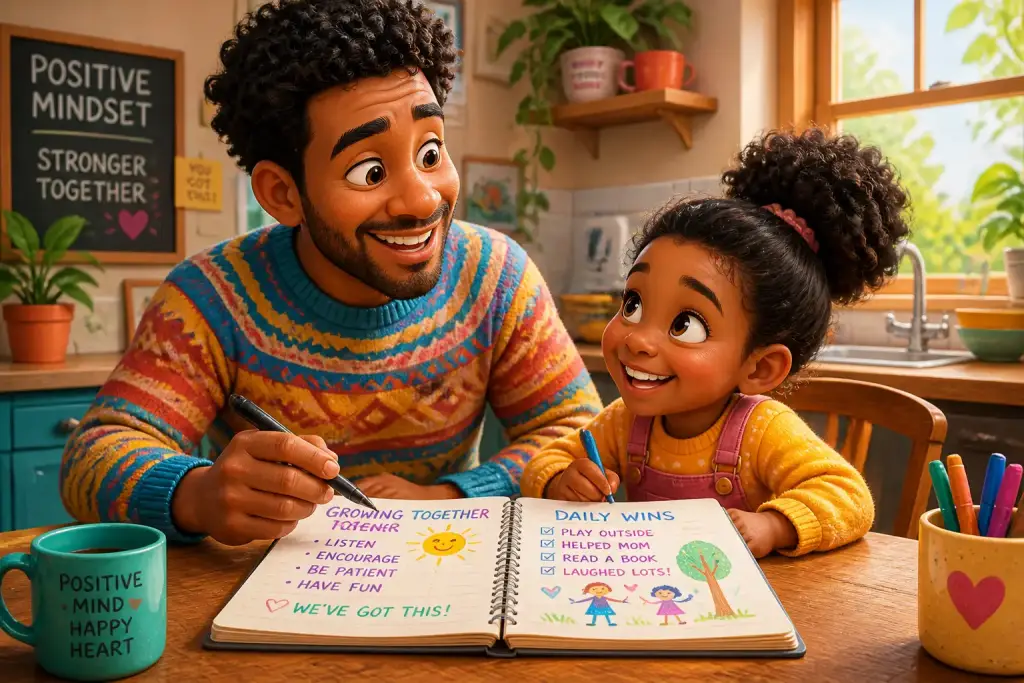









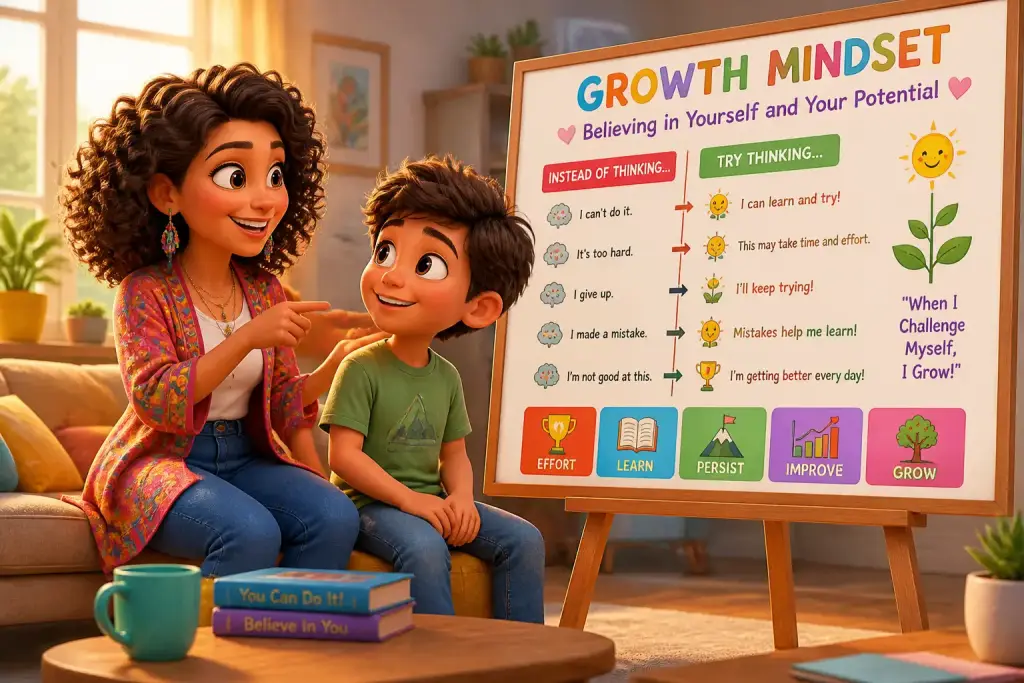
Building a growth mindset can transform the way you and your children approach challenges. It encourages resilience, adaptability, and a love for learning. A growth mindset fosters the belief that abilities can improve over time through effort and persistence. This approach is essential for both personal development and fostering a positive learning environment for children. By actively cultivating this mindset, you can set a powerful example for your kids and create a nurturing atmosphere that emphasizes learning from mistakes.
- Encourage effort over results to develop perseverance.
- Model a growth mindset by embracing challenges and sharing your learning experiences.
- Use positive language that promotes resilience and adaptability.
Table of Contents
- Recognizing the Value of a Growth Mindset
- Practical Steps to Foster a Growth Mindset
- Creating a Positive Learning Environment
- Teaching Kids to Embrace Challenges
- Using Mistakes as Learning Opportunities
- Incorporating Growth Mindset into Daily Life
- Encouraging Lifelong Learning
- Building a Resilient Family Culture
- Implementing Growth Mindset Strategies in Schools
- Transforming Challenges into Opportunities
Recognizing the Value of a Growth Mindset
A growth mindset, a term popularized by psychologist Carol Dweck, contrasts sharply with a fixed mindset. In a fixed mindset, individuals believe their abilities are static and unchangeable. This perspective can limit potential. Conversely, a growth mindset allows for the possibility of growth and improvement through dedication and hard work. Understanding this difference is the first step in developing a growth mindset for you and your children.
Think about how this mindset can impact daily life. For instance, when facing a difficult math problem, a child with a fixed mindset might give up quickly, believing they are not good at math. However, a child with a growth mindset sees this challenge as an opportunity to learn and improve. They might ask for help, try different methods, or spend extra time practicing. This shift in perspective can lead to greater success and confidence over time.
Promoting a growth mindset can have far-reaching benefits. Research shows that children who adopt this mindset tend to perform better academically. They are also more resilient in the face of challenges and setbacks. This positive outlook not only helps in school but also prepares children for future life challenges. Therefore, recognizing the value of a growth mindset is crucial for both parents and children.
Practical Steps to Foster a Growth Mindset
Implementing a growth mindset in your family requires intentional effort and consistency. Start by creating an environment that encourages curiosity and learning. Here are some practical steps you can take:
- Encourage Open Communication: Create a safe space where children feel comfortable expressing their thoughts and feelings about challenges. Ask them how they feel about their learning process.
- Model Growth Mindset Language: Use phrases that promote a growth mindset. Instead of saying, “You are so smart,” try, “I see you worked really hard on that.” This shows that effort is valued.
- Celebrate Efforts: When your child faces a challenge, celebrate their effort regardless of the outcome. This reinforces the idea that trying hard is what leads to learning and improvement.
- Provide Constructive Feedback: Focus on giving feedback that encourages growth. Instead of criticism, offer suggestions for improvement. For example, say, “Next time, try breaking the problem into smaller parts.”
By implementing these strategies, you can create a supportive environment that nurtures a growth mindset. It encourages children to embrace challenges and learn from their experiences. This approach lays the foundation for lifelong learning and resilience.
Creating a Positive Learning Environment
A positive learning environment is crucial for cultivating a growth mindset. When children feel safe and supported, they are more likely to take risks and explore new ideas. Here are some effective ways to create such an environment:
- Encourage Exploration: Allow children to explore different subjects and activities. This exploration fosters curiosity, which is essential for developing a growth mindset.
- Set Realistic Goals: Help children set achievable goals. Break larger tasks into smaller, manageable steps. This approach allows them to experience success along the way.
- Promote Collaboration: Encourage group work and collaboration. Working with peers helps children learn from one another and see different perspectives.
Creating a positive learning environment also means being aware of your attitudes and behaviors. Show enthusiasm for learning and be open about your own mistakes. Share stories of how you overcame challenges in your life. This not only provides role models for your children but also demonstrates that everyone has room for growth.
Teaching Kids to Embrace Challenges
Teaching children to embrace challenges is essential for developing resilience and a growth mindset. Here are some effective strategies to help them view challenges positively:
Encourage Risk-Taking
Children should understand that taking risks is a part of learning. Encourage them to try new activities, even if they are unsure of their abilities. For example, if your child is hesitant to try out for a sports team, remind them that practice can lead to improvement. Help them see that every attempt is a step toward growth.
Share Stories of Challenges
Sharing personal stories of overcoming challenges can have a significant impact. Talk about times when you faced difficulties and how you worked through them. Highlight the lessons learned from those experiences. This not only normalizes struggles but also shows that persistence pays off.
Use stories from famous figures who have overcome obstacles. For instance, share how athletes, scientists, or artists faced setbacks and continued to push forward. These stories can inspire children to adopt a similar mindset.
Using Mistakes as Learning Opportunities
Understanding that mistakes are a natural part of the learning process is vital. Children should learn to view mistakes not as failures but as opportunities to learn. Here are ways to reinforce this perspective:
- Normalize Mistakes: Discuss mistakes openly in your home. Share your own experiences and how you learned from them. This helps children feel comfortable making mistakes.
- Reflect on Mistakes: After a mistake occurs, encourage reflection. Ask your child what they learned from the experience and how they might approach it differently next time.
- Use Positive Reinforcement: When your child shares a mistake, respond positively. Say things like, “That’s great that you tried! What did you learn from that?” This reinforces a growth-oriented mindset.
By using mistakes as opportunities for growth, you help children develop resilience and the ability to bounce back from setbacks. This mindset is crucial as they face challenges in school and life.
Focus on praising effort rather than talent. This helps children understand that hard work leads to improvement and success.
Incorporating Growth Mindset into Daily Life
Integrating a growth mindset into daily routines can make a significant difference in how children perceive challenges. Here are some practical methods to incorporate these principles into everyday life:
Daily Affirmations
Start the day with positive affirmations. Encourage your children to express statements like, “I can learn anything if I work hard,” or “Challenges help me grow.” These affirmations set a positive tone for the day and reinforce a growth mindset.
Goal Setting and Reflection
At the beginning of each week, sit down with your kids to set personal goals. These could be related to school, hobbies, or social interactions. Encourage them to reflect on these goals at the end of the week. Ask what they learned, what challenges they faced, and how they overcame them.
Involving children in this goal-setting process allows them to take ownership of their learning. It also helps them recognize their progress over time, reinforcing their growth mindset.
Encouraging Lifelong Learning
Fostering a growth mindset is not just about immediate challenges. It’s about nurturing a love for learning that lasts a lifetime. Encourage curiosity and exploration in various ways:
- Encourage Reading: Promote reading diverse materials. This not only improves literacy but also exposes children to different ideas and perspectives.
- Support Extracurricular Activities: Encourage involvement in clubs, sports, or arts. These activities provide opportunities for growth outside of the academic realm.
- Model Lifelong Learning: Show your children that learning doesn’t stop after school. Share your own learning experiences, like taking a class or learning a new skill.
Encouraging lifelong learning helps children understand that growth is a continuous journey. This mindset prepares them to face future challenges with confidence and resilience.
Building a Resilient Family Culture
Creating a family culture that supports growth and resilience is vital for long-term success. Here are ways to build this culture:
Family Discussions
Have regular family discussions about growth and challenges. Share stories from each family member about recent challenges and what they learned. This creates an atmosphere of openness and support.
Celebrate Achievements
Celebrate not only achievements but also efforts and improvements. Whether it’s a good grade or simply trying hard, recognition encourages continued effort. This reinforces the idea that hard work is valued.
Building a resilient family culture takes time and consistency. However, the benefits are immense. Children grow up understanding that challenges are part of life and that they have the tools to overcome them.
Implementing Growth Mindset Strategies in Schools
Schools play a crucial role in developing a growth mindset in children. Collaboration between parents and educators can enhance this process. Here are ways to implement growth mindset strategies in schools:
Professional Development for Educators
Schools should provide professional development focused on growth mindset principles for teachers. This training helps educators understand and implement strategies in their classrooms. When teachers model a growth mindset, they can inspire students to adopt the same perspective.
Curriculum Design
Incorporate growth mindset principles into the curriculum. Projects that encourage collaboration, problem-solving, and critical thinking can help students learn these concepts in action. When students see the real-world application of growth, they are more likely to embrace it.
Collaboration between parents and schools is essential. Parents can reinforce the messages taught in school by discussing them at home. Together, they can create a powerful network of support for children.
Transforming Challenges into Opportunities
The goal of developing a growth mindset is to help children transform challenges into opportunities. This mindset encourages them to persist in the face of difficulties and to view setbacks as learning experiences.
By implementing these principles and strategies, both parents and children can cultivate a growth mindset. This process leads to greater resilience, adaptability, and a lifelong love for learning. Remember, every challenge is an opportunity for growth. Embrace it together as a family.