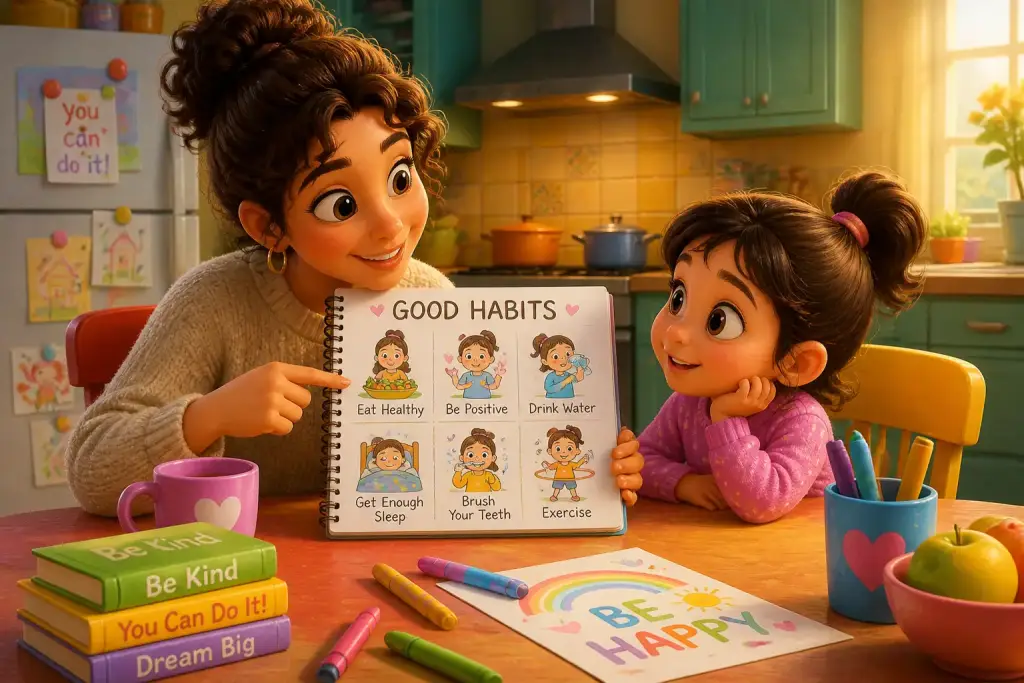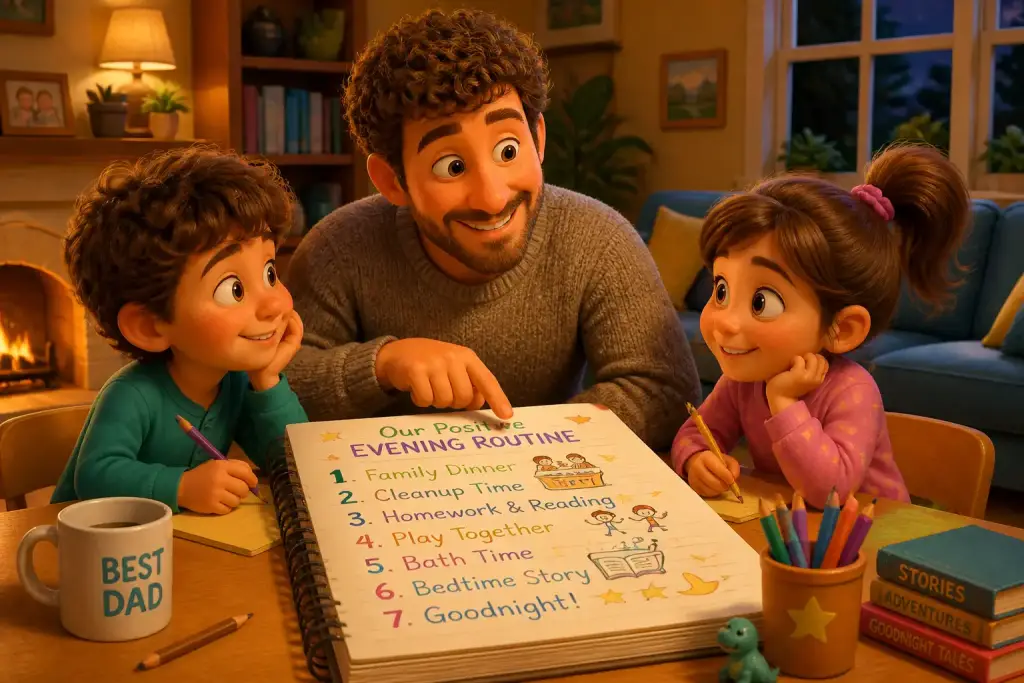









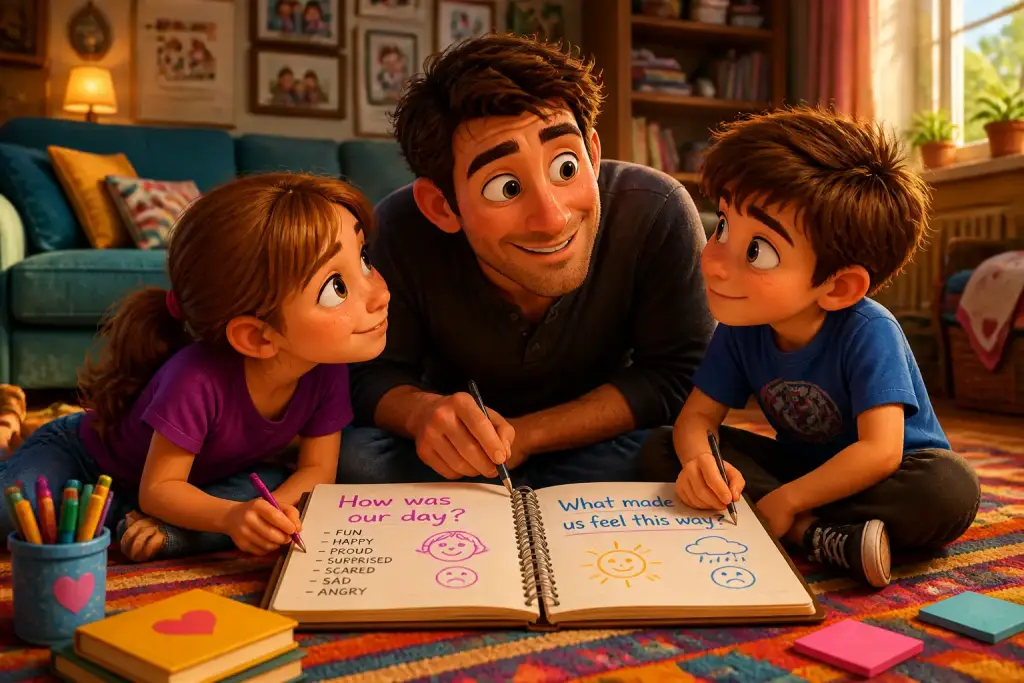
Building a habit of open communication with your kids is essential for fostering trust and understanding within the family. As children grow and face various challenges, having a solid communication foundation will empower them to express their thoughts and feelings. This dialogue not only enhances their emotional intelligence but also strengthens your bond as a family. Parents often seek ways to connect better with their children, and establishing open communication is a powerful step in that direction.
- Foster a safe space for dialogue to encourage children to express feelings.
- Use everyday moments to initiate conversations and share experiences.
- Practice active listening to enhance understanding and connection.
Table of Contents
Creating a Safe Environment for Dialogue
Establishing a safe environment is the first step in promoting open communication with your kids. A safe space allows children to feel comfortable expressing their feelings without fear of judgment. When kids know they can share their thoughts freely, they are more likely to engage in meaningful conversations. This openness leads to a deeper understanding of their experiences and emotions.
To create this safe environment, consider these key aspects:
- Encourage Expression: Let your children know that their feelings are valid. Use phrases like, “It’s okay to feel upset,” or “I understand that you’re frustrated.” This affirmation allows them to express themselves without fear of harsh reactions.
- Be Approachable: Maintain a relaxed demeanor when your children approach you. Show that you are willing to listen. This can be done through body language, such as kneeling down to their level and making eye contact.
- Avoid Judgment: Listen without jumping to conclusions or offering immediate advice. Kids might share thoughts that seem irrational to adults. Accepting their feelings as genuine helps them feel understood.
For instance, if your child shares an experience at school where they felt left out, listen actively. Respond with empathy, such as, “That sounds really tough. How did it make you feel?” These responses validate their feelings and encourage them to share more.
Utilizing Everyday Moments for Conversations
Conversations do not need to happen during set times. In fact, everyday moments often present the best opportunities for open communication. Whether you are in the car, cooking dinner, or relaxing at home, these moments can lead to valuable discussions.
Here are some practical ways to utilize everyday activities for enhancing communication:
1. During Commutes
Car rides can serve as a perfect backdrop for conversations. The relaxed environment allows children to open up more easily. Ask open-ended questions like, “What was the best part of your day?” or “Did anything surprise you today?” These questions encourage children to elaborate on their experiences.
2. Meal Times
Family meals can also be an excellent time for dialogue. Make it a habit to share daily highlights or challenges over dinner. Involving everyone in the conversation helps build trust and encourages children to share their thoughts without hesitation.
3. Fun Activities
Engage in activities that your kids enjoy, like playing games or doing crafts. This relaxed atmosphere can lead to spontaneous conversations. Ask for their opinions on game strategies or craft ideas, which may naturally lead to discussing feelings or experiences.
By making a habit of these conversations, children will learn to share more about their lives and feelings. This practice not only enhances communication but also strengthens family ties.
Practicing Active Listening Skills
Active listening is a crucial component of open communication. It goes beyond merely hearing words; it involves understanding the emotions and intentions behind those words. When children feel heard, they are more likely to continue sharing their thoughts in the future.
To practice active listening, consider these essential techniques:
- Give Full Attention: Put away distractions such as phones or televisions when your child is speaking. Show them that their words matter by focusing entirely on them.
- Reflect Back: Repeat or paraphrase what your child has said to show understanding. For example, “So you felt really excited about your soccer game, right?” This technique validates their feelings and encourages them to elaborate.
- Ask Follow-Up Questions: Show genuine interest in their experiences by asking questions that require more than one-word answers. This encourages deeper conversations and keeps the dialogue flowing.
Active listening can transform the way children communicate with their parents. By demonstrating that you value their thoughts, you create a cycle of trust and openness. For instance, if your child shares a concern about a friend, listen attentively and respond with questions that guide them to explore their feelings further.
Encouraging Emotional Expression Through Activities
Encouraging your children to express their emotions can significantly improve open communication. Activities that promote emotional expression help kids articulate their feelings and thoughts more effectively. Here are some ways to encourage this through fun and engaging activities:
1. Art and Creativity
Art can be a fantastic outlet for emotions. Provide your kids with art supplies and encourage them to create drawings or crafts that reflect how they feel. Afterward, ask them to explain their artwork. This not only allows them to express emotions but also fosters discussion about their feelings.
2. Storytelling and Writing
Encourage your kids to write stories or keep a journal. This practice helps them process their thoughts and emotions. Set aside time each week to discuss their stories or journal entries. Ask open-ended questions, such as, “What inspired your story?” This builds a platform for sharing feelings and experiences.
3. Family Game Nights
Game nights can also serve as a platform for communication. Games that require teamwork or strategy often lead to discussions about choices and feelings. For example, while playing a cooperative game, ask, “How did you feel when we faced that challenge together?” This encourages kids to reflect on their emotions and share them with you.
Through these activities, children learn to articulate their feelings and thoughts. This skill will serve them well in their relationships outside the family, empowering them to express themselves effectively.
Set regular family meetings to discuss feelings and experiences, helping to normalize open communication and strengthen family bonds.
Establishing Regular Check-Ins
Regular check-ins can support the habit of open communication. These can be informal moments where you touch base with your children about their feelings and experiences. Establishing a routine for these check-ins helps normalize discussions about emotions.
Consider implementing these strategies for effective check-ins:
1. Weekly Family Meetings
Set aside time each week for a family meeting. During this time, encourage everyone to share their highs and lows of the week. Use a talking piece, like a small toy, to ensure everyone has a chance to speak without interruptions. This creates a respectful environment where every family member feels heard.
2. One-on-One Time
Schedule regular one-on-one time with each child. This dedicated time provides an opportunity for deeper conversations and allows for personal connection. During these moments, ask open questions about their interests, friends, and feelings.
3. Emotional Check-In Questions
Use simple questions to gauge your child’s emotional state. Questions like, “How are you feeling today?” or “What made you smile this week?” can prompt meaningful discussions about their feelings and experiences. This practice encourages children to reflect on their emotions regularly.
By integrating regular check-ins into your family routine, you reinforce the importance of open communication. This habit allows children to feel more comfortable sharing their thoughts and feelings with you.
Building a habit of open communication with your kids is an ongoing process that requires attention and effort. Creating a safe environment, utilizing everyday moments, practicing active listening, encouraging emotional expression, and establishing regular check-ins are all vital strategies in this journey. By fostering this habit, you help your children develop strong communication skills and emotional intelligence, equipping them to navigate life’s challenges confidently.
As parents, it is crucial to lead by example. Openly share your feelings and experiences with your children, demonstrating that communication is a two-way street. When children see you expressing yourself, they are more likely to follow suit. This mutual sharing builds a deeper bond and reinforces the importance of maintaining open lines of communication throughout their lives.