








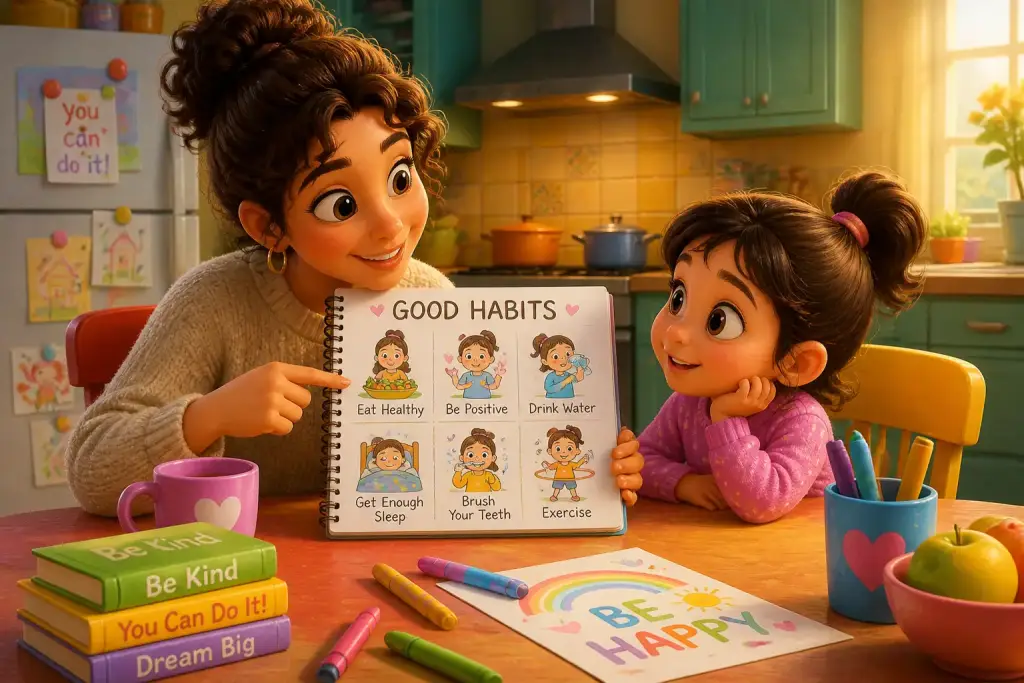
Encouraging good habits in children is more than just teaching them what is right and wrong. It involves creating an environment where positive behaviors can flourish. As children grow, establishing good habits helps them build confidence, responsibility, and independence. Parents play a significant role in shaping these habits through daily interactions and routines. Implementing effective strategies can make a world of difference in guiding children toward a healthy and productive life.
- Establishing routines helps children feel secure and develop responsibility.
- Positive reinforcement encourages children to continue good habits.
- Modeling behavior is crucial; children learn by watching adults.
Table of Contents
Creating a Structured Routine
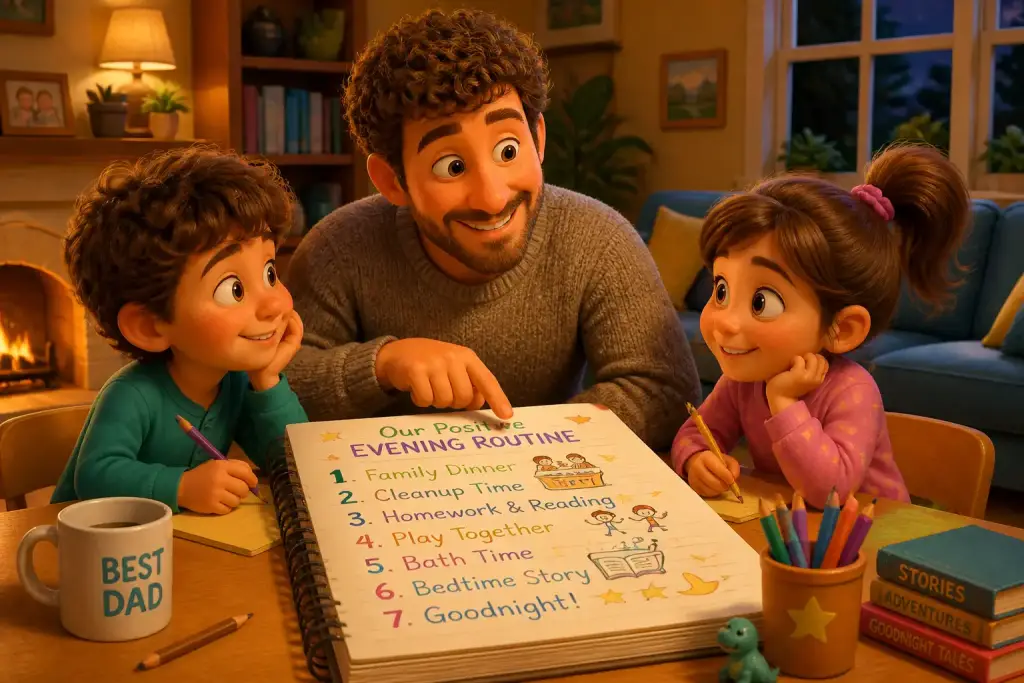
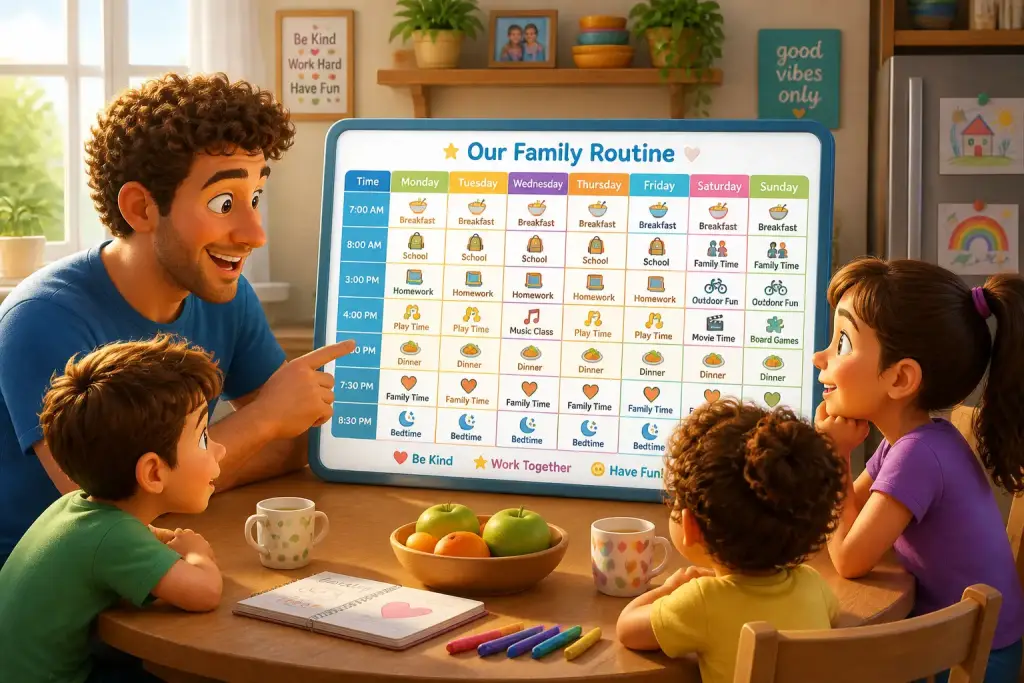
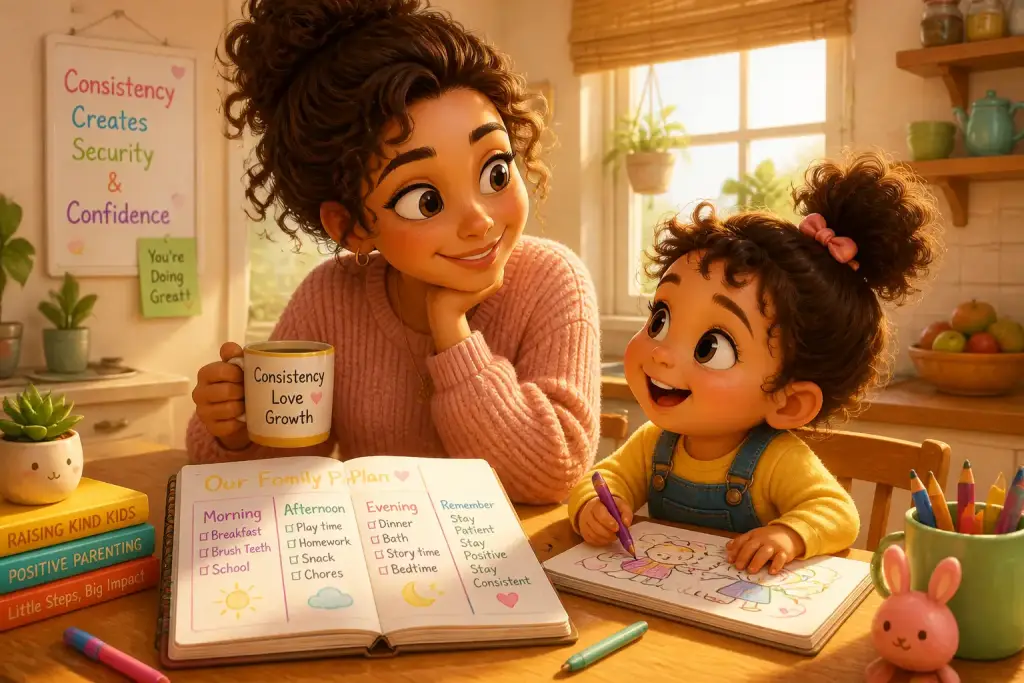
Establishing a daily routine is one of the most effective ways to encourage good habits in children. A structured routine gives children a sense of security and helps them understand what is expected of them. When they know what comes next, they can better manage their time and responsibilities.
Start by setting specific times for daily activities. Bedtime, mealtime, homework, and playtime should all have designated slots in the day. A good routine might look like this:
- 7:00 AM – Wake up and make the bed.
- 7:30 AM – Breakfast together as a family.
- 8:00 AM – Prepare for school.
- 4:00 PM – Homework time.
- 5:00 PM – Outdoor play or family activity.
- 6:00 PM – Dinner and clean up.
- 7:30 PM – Reading or quiet time before bed.
Because routines provide stability, children are more likely to adopt the habits associated with them. For example, a consistent bedtime routine can help children understand the importance of sleep and create positive associations with going to bed.
Positive Reinforcement
Using positive reinforcement is an excellent way to encourage good habits in children. Instead of focusing solely on what they do wrong, highlight their successes and efforts. Celebrate small victories to motivate them to continue their good behaviors.
For instance, if your child completes their homework without being reminded, praise their effort. You can say, “I am so proud of you for finishing your homework on your own!” This acknowledgment reinforces the behavior and encourages them to repeat it.
Ways to Implement Positive Reinforcement
Here are some practical ways to use positive reinforcement in daily life:
- Use a reward chart to track good behavior. Stickers or points can be given for each completed task.
- Provide verbal praise or small rewards, such as extra playtime or a favorite snack, when they demonstrate good habits.
- Share stories of when you were proud of them, reinforcing the connection between their actions and your happiness.
By acknowledging their accomplishments, children feel motivated to maintain good habits. This approach helps them learn the importance of their actions in a supportive environment.
Modeling Good Behavior
Children learn a lot by observing their parents and caregivers. Modeling good behavior is one of the most powerful ways to teach children about positive habits. When they see adults practicing good habits, they are more likely to imitate those actions.
For example, if you want your child to develop a love for reading, make reading a regular part of your day. Let them see you enjoying a book or discussing a story. When they witness you engaging with reading material, they may become more interested in doing the same.
Ways to Model Good Habits
Here are some effective ways to model good habits:
- Incorporate healthy eating into your meals and show enthusiasm for cooking and trying new foods together.
- Practice mindfulness by taking moments to breathe and reflect, demonstrating the importance of mental health.
- Engage in physical activities together, whether it is walking, biking, or playing sports, to promote a healthy lifestyle.
When children see their parents engaging in these behaviors, they learn that these habits are essential and worth adopting. This direct influence can significantly impact their choices.
Share your own good habits openly with your children. Talk about your routines and how they help you daily.
Encouraging Independence
Teaching children to be independent is another vital aspect of fostering good habits. Allowing them to take responsibility for their tasks helps them build self-confidence and develop essential life skills. Encouraging independence can lead to better decision-making and a sense of ownership over their actions.
Start with small tasks that they can manage on their own, such as dressing themselves or packing their school bag. Gradually increase their responsibilities as they grow. For instance, you can involve them in household chores, such as setting the table or sorting laundry. These tasks not only build independence but also promote teamwork within the family.
Steps to Foster Independence
Here are steps to encourage independence in children:
- Give them choices. Allow them to choose what to wear or what to eat for lunch, within reasonable limits.
- Encourage problem-solving by asking them how they might handle a situation rather than providing immediate solutions.
- Celebrate their efforts and successes when they complete tasks independently, no matter how small.
By promoting independence, children learn responsibility and the importance of taking ownership of their actions, which lays the groundwork for good habits in their lives.
Creating a Positive Environment
A supportive and positive environment plays a significant role in encouraging good habits. Children thrive in spaces where they feel safe, loved, and accepted. Creating this environment requires intentionality and effort from parents, caregivers, and family members.
Start by providing emotional support and open communication. Let your children know that it is okay to make mistakes and that they can talk to you about anything. Building trust helps them feel secure, which is essential for them to try new things and adopt good habits.
Steps to Build a Positive Environment
Consider these strategies to create a nurturing atmosphere:
- Establish family traditions, such as game nights or weekly outings, to strengthen family bonds.
- Encourage open discussions about feelings and experiences to promote emotional intelligence.
- Set realistic expectations and be patient as your children develop their habits over time.
A positive environment nurtures good habits by making learning enjoyable and encouraging children to embrace new experiences. When children feel supported, they are more willing to engage in positive behaviors.
Incorporating Technology Wisely
In today’s digital age, technology can play a role in teaching children good habits. While excessive screen time can be harmful, using technology purposefully can encourage responsibility and learning. There are various tools and apps designed to help children develop good habits, from tracking chores to learning new skills.
For example, consider using habit-tracking apps that allow children to set goals and monitor their progress. These tools can motivate them by providing visual feedback on their achievements. Additionally, educational apps can make learning fun and engaging, helping them develop new skills.
Strategies for Responsible Technology Use
Here are some tips for incorporating technology effectively:
- Set clear limits on screen time and encourage breaks to prevent overuse.
- Choose age-appropriate apps that promote learning and skill-building rather than mindless entertainment.
- Engage in activities together, such as playing educational games or exploring interactive learning resources.
Using technology wisely can enhance children’s learning experiences and help them develop good habits in a modern context. By making technology a tool for growth, parents can positively influence their children’s habits.
Building Lifelong Good Habits
To encourage good habits in children, it is essential to understand that this is a long-term process. The goal is to instill positive behaviors that will carry into adulthood. Parents must be consistent and patient while guiding their children through this journey.
As children grow, they will face new challenges and experiences. By maintaining open communication and reinforcing the importance of good habits, parents can help their children navigate these situations confidently. Encourage them to reflect on their actions and make adjustments as necessary, fostering a growth mindset.
The foundation laid during childhood can influence their future choices and behaviors. By consistently encouraging good habits, parents can help their children develop into responsible, caring, and successful individuals.
Instilling good habits in children is a rewarding endeavor. With structure, support, and positive reinforcement, parents can effectively guide their children toward a brighter future filled with healthy habits. As this journey unfolds, remember that each small step counts and contributes to their overall development. Through patience and love, good habits can become a natural part of their lives.