









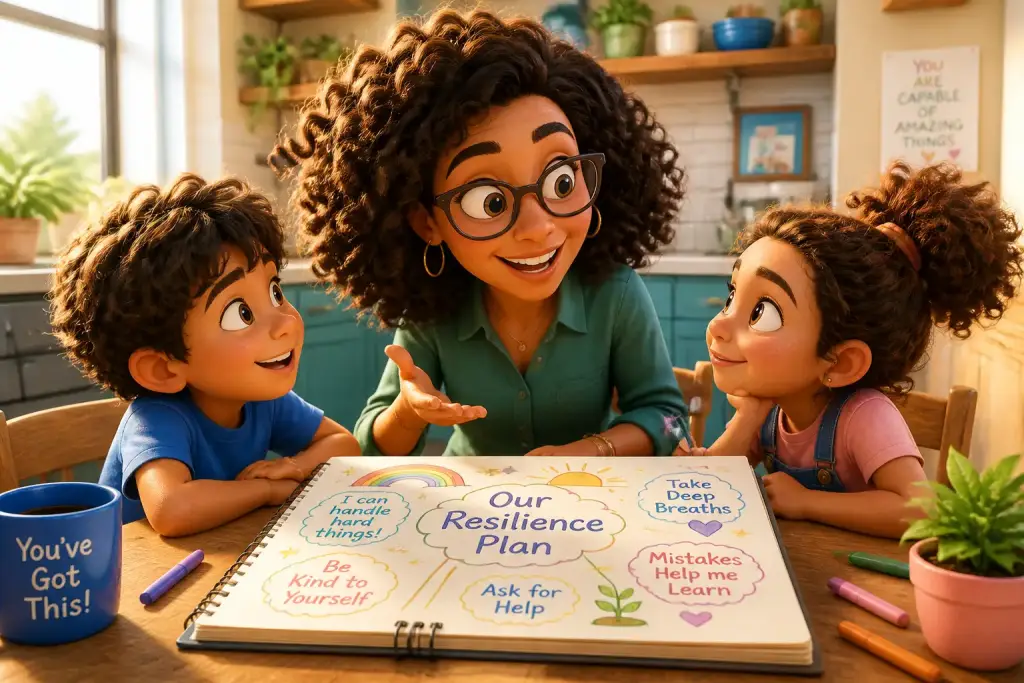
Resilience is a vital skill that helps both adults and children face challenges and bounce back from setbacks. Cultivating resilience not only strengthens emotional health but also fosters a positive mindset. By teaching resilience, parents can empower their children to handle stress, adapt to change, and overcome obstacles. This guide explores various strategies for building resilience in yourself and your children.
- Resilience helps in overcoming challenges and setbacks.
- Encourage problem-solving and adaptability in children.
- Foster a supportive and open family environment.
Table of Contents
Recognizing the Importance of Resilience
Understanding why resilience matters is the first step in cultivating it. Resilience allows individuals to cope with difficulties, recover from disappointments, and adapt to new situations. For children, developing resilience is crucial. It prepares them for the ups and downs of life, whether in school, friendships, or family dynamics. Children who are resilient tend to perform better academically and are more likely to have positive relationships.
Resilience contributes to mental well-being. It helps reduce anxiety and depression, which are common among youth today. Research shows that children who learn to manage their emotions and cope with challenges are less likely to experience long-term mental health issues. By building resilience, parents can significantly influence their children’s overall happiness and success.
Parents also benefit from nurturing resilience. It helps them manage stress and setbacks more effectively. When parents model resilient behavior, children observe and learn these coping strategies. This creates a supportive environment that encourages emotional growth for both parents and children.
Building a Supportive Environment
Creating a nurturing and supportive environment is essential for developing resilience. Children thrive in spaces where they feel safe, loved, and understood. Parents should aim to foster open communication within the family. This means actively listening to children’s concerns and validating their feelings. When children feel heard, they are more likely to share their problems and seek support when needed.
Encouraging open dialogues about emotions helps children learn to express themselves. Use everyday situations to talk about feelings. For example, after a challenging day, sit down with your child and ask how they felt. Discussing emotions openly teaches children that it is normal to experience a range of feelings.
Tips for Encouraging Communication
- Schedule regular family meetings to discuss feelings and experiences.
- Use storytelling to help children express emotions.
- Encourage children to keep a journal to reflect on their thoughts.
Teaching Problem-Solving Skills
Problem-solving is a core component of resilience. Children who can analyze situations and find solutions are better equipped to handle adversity. Parents can help develop these skills through everyday activities. Encourage children to face challenges rather than avoiding them. This builds confidence and independence.
Start small. When your child encounters a problem, guide them through the process of finding a solution. Ask open-ended questions that encourage critical thinking. For instance, if they are struggling with homework, instead of giving them the answer, ask how they might approach the problem. This way, children learn to think critically and explore different strategies.
Steps to Enhance Problem-Solving Skills
- Identify the problem clearly and discuss it together.
- Brainstorm possible solutions together.
- Evaluate the pros and cons of each solution.
- Choose a solution and implement it.
- Reflect on the outcome and learn from the experience.
Encouraging a Growth Mindset
A growth mindset is the belief that abilities and intelligence can be developed through dedication and hard work. This mindset encourages resilience by framing challenges as opportunities for growth. Parents can encourage a growth mindset by praising effort rather than innate ability. For example, instead of saying “You are so smart,” try saying “I am proud of how hard you worked on that project.”
Encouraging children to embrace challenges and learn from failures is vital. When children understand that mistakes are part of learning, they are more likely to persist through difficulties. Share stories of famous figures who faced challenges but persevered. This can inspire children to adopt a similar attitude towards their own obstacles.
Ways to Foster a Growth Mindset
- Model a growth mindset by sharing your own learning experiences.
- Encourage children to set personal goals and celebrate their progress.
- Teach them to reframe negative thoughts. For instance, change “I can’t do this” to “I can’t do this yet.”
Promoting Social Connections
Strong social connections are essential for resilience. Relationships with family, friends, and mentors provide support during tough times. Encourage your children to cultivate friendships by participating in group activities, such as sports or clubs. These interactions help them build a sense of belonging and community.
Teaching children to empathize and support others strengthens their social skills. Encourage them to offer help to friends or family members in need. This not only reinforces their connections but also builds a sense of purpose and self-worth. Activities like volunteering can provide meaningful opportunities for children to connect with others and develop empathy.
Ways to Strengthen Social Connections
- Encourage team sports or group activities to foster camaraderie.
- Facilitate playdates or social gatherings with peers.
- Promote family bonding through shared activities, like game nights.
Incorporate small, daily moments of reflection and gratitude to build resilience naturally in both you and your children.
Emphasizing Self-Care and Well-Being
Self-care is a crucial aspect of resilience. Teaching children to recognize their needs and prioritize them fosters emotional stability. Encourage healthy habits, such as regular exercise, balanced nutrition, and sufficient sleep. These habits support physical health, which is closely linked to emotional well-being.
Incorporating relaxation techniques, such as mindfulness or deep breathing exercises, can also help children manage stress. Take time to practice these techniques together as a family. This not only provides valuable skills but also creates a calming atmosphere at home.
Self-Care Practices for Families
- Establish a consistent bedtime routine to ensure adequate sleep.
- Engage in physical activities together, like biking or hiking.
- Set aside time for family relaxation, such as reading or yoga.
Celebrating Resilience and Growth
Recognizing and celebrating resilience is essential for reinforcing these skills. Acknowledge your child’s efforts and successes, no matter how small. Celebrating achievements encourages them to continue developing their resilience. This can be done through verbal praise, family celebrations, or even small rewards.
Share stories about moments when you overcame challenges. This not only normalizes struggles but also illustrates the value of resilience. Encourage children to reflect on their experiences and identify times they showed strength. This practice helps them internalize their growth and recognize their capabilities.
Building resilience is not a one-time effort but a continuous journey. By promoting resilience in both yourself and your children, you create a foundation for lifelong emotional strength and adaptability. The benefits of nurturing resilience extend beyond childhood, equipping individuals to face life’s challenges with confidence and courage.