




Introduction to STEM Games
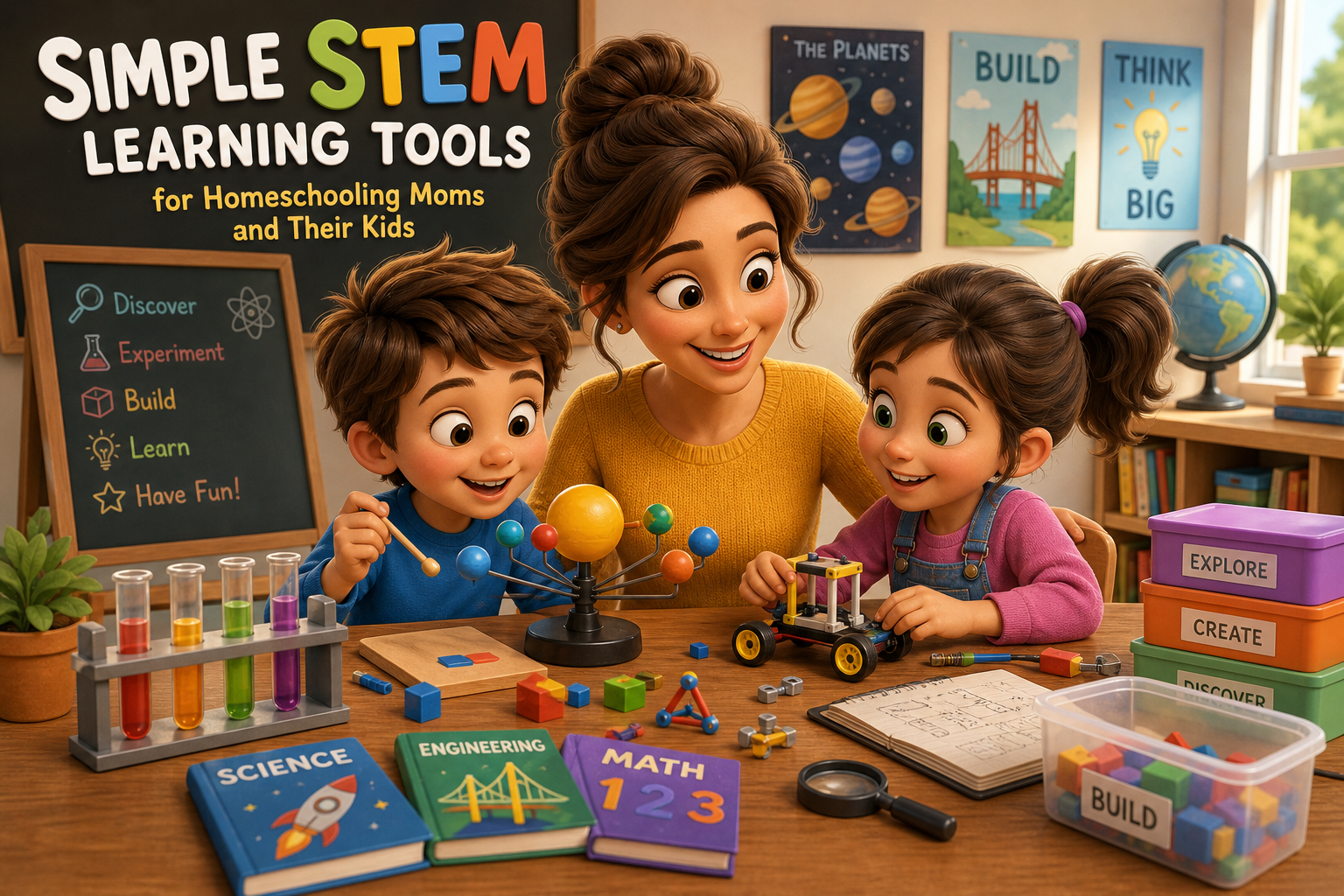
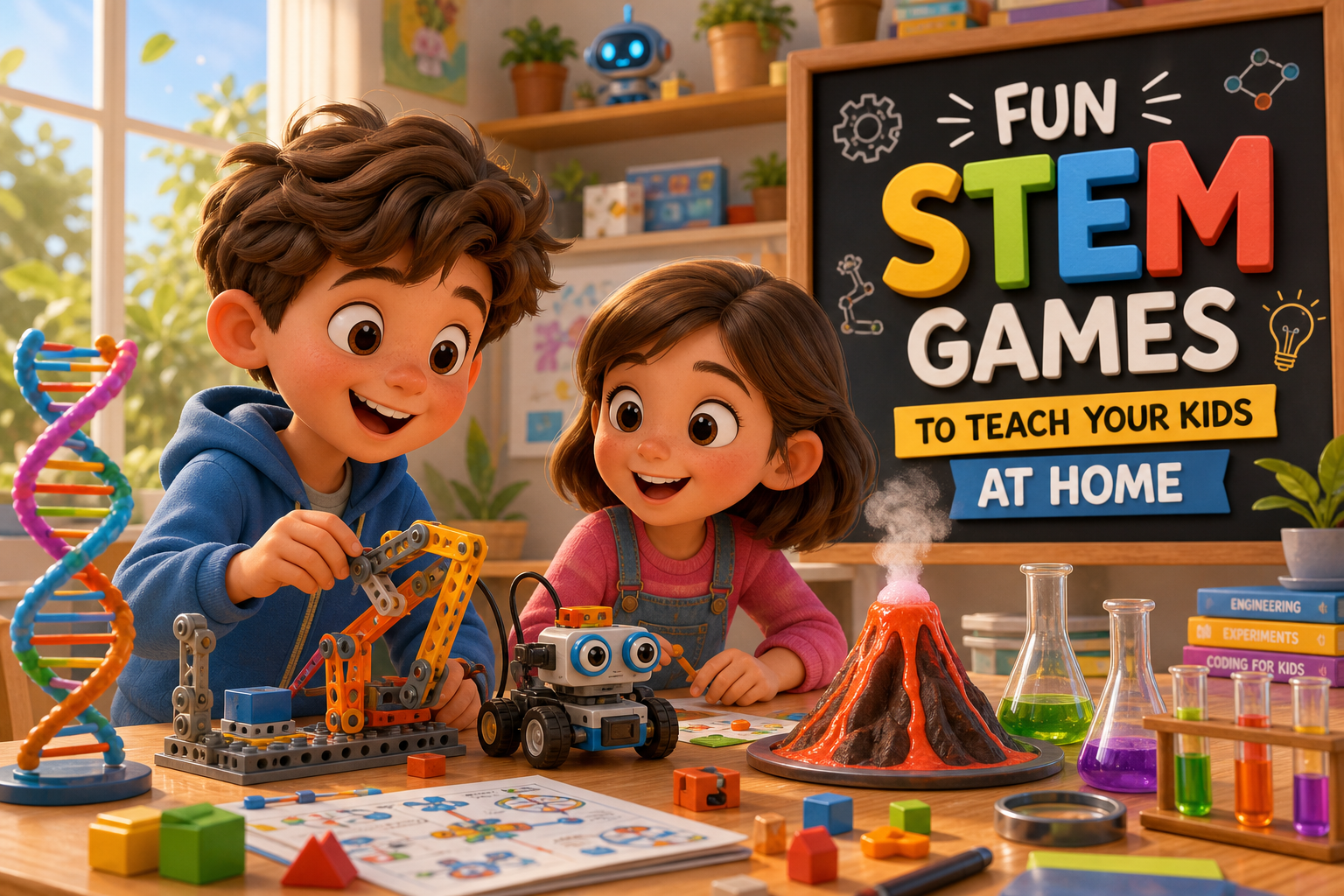
STEM games are a fantastic way to teach your kids science, technology, engineering, and math concepts in a fun and engaging way. These games encourage critical thinking, problem-solving, and creativity. In 2026, parents and educators recognize the importance of these skills for future success. Because of this, incorporating STEM games into your home learning routine can be a great strategy. Not only do these games promote learning, but they also strengthen the bond between parents and children through shared activities. In this article, we will explore ten fun STEM games that you can easily teach your kids at home.
1. Building with Blocks
Building blocks are a classic way to introduce engineering concepts to children. You can use wooden blocks, LEGO sets, or even recycled materials like cardboard boxes. The objective is to create structures that can stand on their own. Start by challenging your kids to build the tallest tower or the most creative bridge. As they build, ask questions like, “What makes your tower stable?” or “How can you make it stronger?” This encourages them to think critically about their designs. You can also introduce concepts like balance, symmetry, and gravity. Building with blocks not only fosters engineering skills but also enhances fine motor skills and creativity.
2. DIY Science Experiments
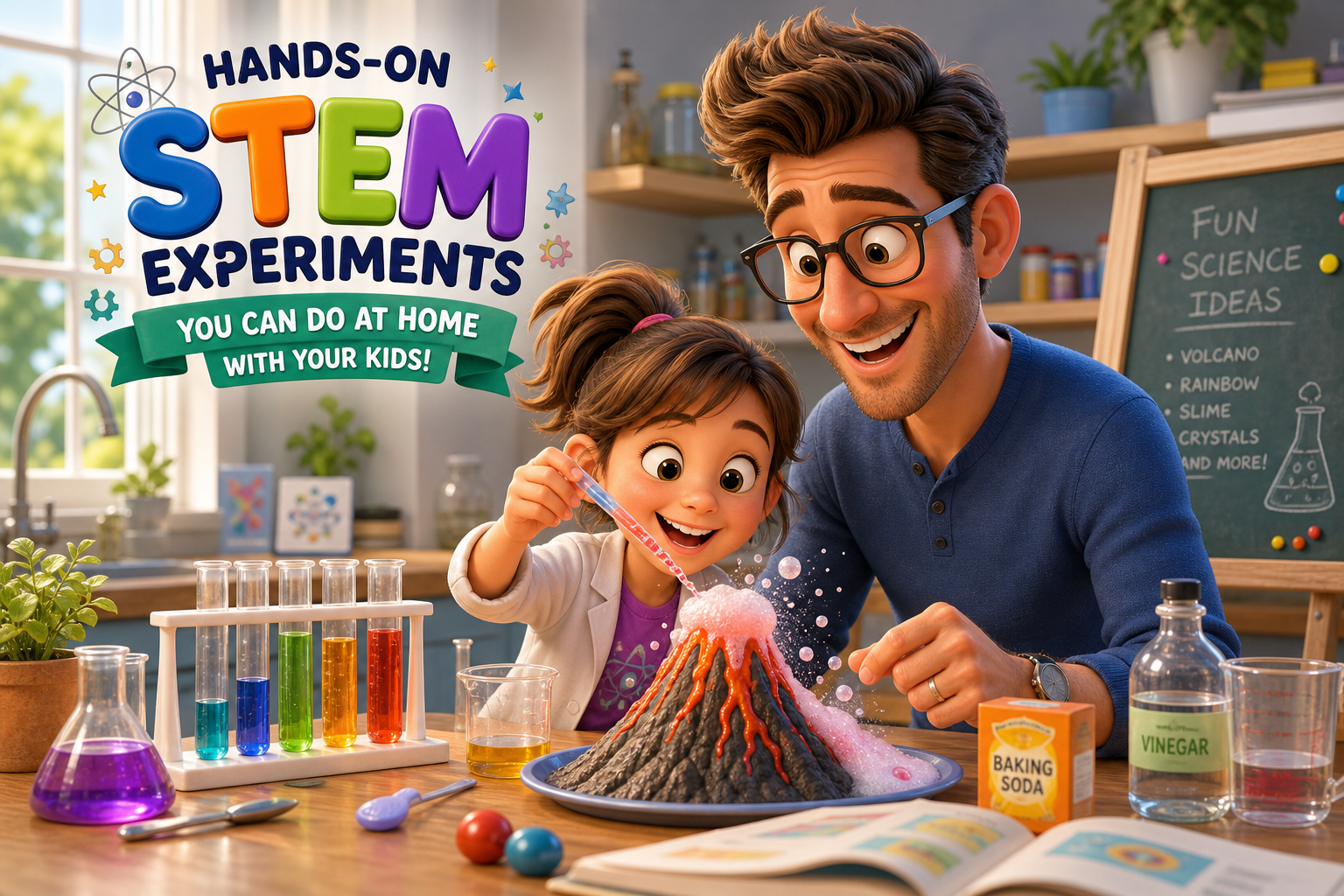
Conducting simple science experiments at home can be both entertaining and educational. You can create a volcano using baking soda and vinegar or make slime with glue and borax. These experiments demonstrate chemical reactions in an exciting way. Make sure to explain the science behind each experiment as you go along. For instance, when creating the volcano, explain how the chemical reaction between baking soda and vinegar produces carbon dioxide gas. This hands-on approach helps kids understand scientific principles better. Furthermore, documenting the experiments in a journal can enhance writing skills and promote observation.
3. Coding Games with Robots
In 2026, coding is an essential skill for children. Using coding games with robots can make learning this skill enjoyable. Many educational robots, like Bee-Bots or LEGO Boost, allow children to program movements and actions. Start with simple tasks, such as navigating the robot through a maze. As they become more familiar with coding, challenge them to create more complex programs. This activity teaches logical thinking and problem-solving skills. Encourage them to explain their coding choices, which develops communication skills. Not only is this fun, but it also prepares them for future technological advancements.
4. Math Board Games
Math board games are a delightful way to practice math skills while having fun. Games like “Monopoly” or “Sum Swamp” involve counting, addition, and strategy. You can create your own math board game using a simple board design and math challenges. For example, each space could have a math problem that players must solve to advance. This approach makes learning math less intimidating. You can also tailor the difficulty of the problems to match your child’s skill level. Playing these games together not only helps improve math skills but also encourages teamwork and friendly competition.
5. Nature Scavenger Hunt
A nature scavenger hunt is an excellent way to teach kids about biology and ecology. Create a list of items for your children to find, such as different types of leaves, rocks, or insects. As they search, discuss the characteristics of each item. For instance, explain why certain plants grow in specific areas or how insects contribute to the ecosystem. This activity encourages exploration and observation. You can also incorporate technology by having them take pictures of the items they find. This not only makes it interactive but also introduces them to the concept of documenting nature scientifically.
6. Simple Circuit Projects
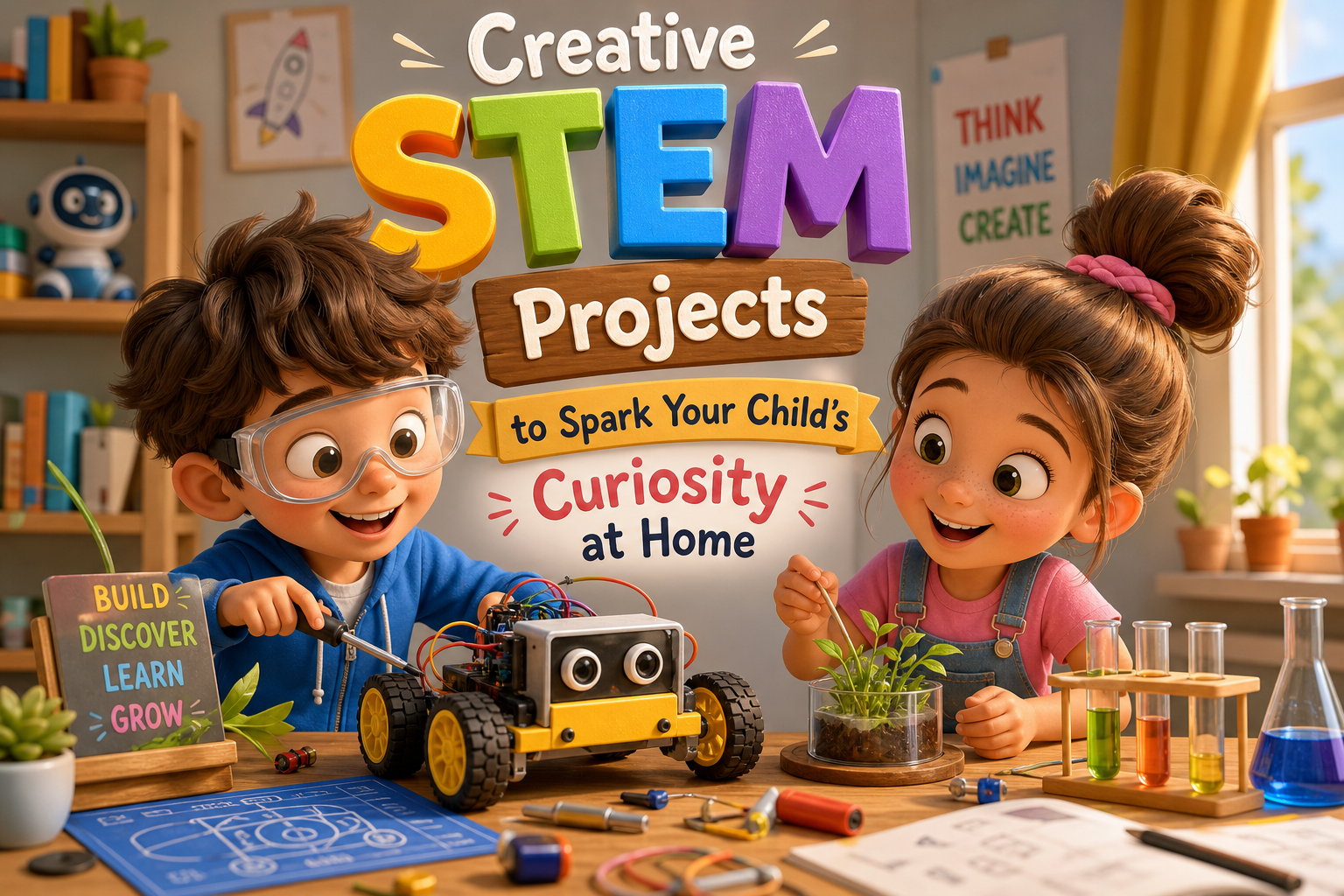
Teaching kids about electricity and circuits can be exciting with simple circuit projects. You can use a battery, wires, and a light bulb to create a basic circuit. Show your kids how to connect the components and explain how electricity flows. Once they understand the basics, challenge them to create their own circuits using different materials. For example, they can use playdough to create conductive pathways or build a simple flashlight. This hands-on experience helps them grasp the fundamentals of electrical engineering and fosters creativity as they experiment with different designs.
7. Cooking as Chemistry
Cooking is a fantastic way to introduce children to chemistry concepts. When you bake cookies or make pasta, you are already conducting chemical reactions. Explain the role of ingredients, like how baking soda helps cookies rise or how heat changes the texture of food. You can even turn it into a fun experiment by changing one ingredient and observing the results. For instance, try using more or less sugar and see how it affects the taste and texture. This practical application helps kids see the science behind everyday activities, making learning more relatable.
8. Puzzles and Logic Games
Puzzles and logic games enhance critical thinking and problem-solving skills. Games like Sudoku, Tangrams, or Rubik’s Cube challenge kids to think strategically. You can also find many online resources and apps that offer interactive logic games. Set aside time each week for puzzle-solving sessions. Encourage your kids to explain their thought process as they work through the puzzles. This discussion helps develop reasoning skills and confidence. Furthermore, you can create your own puzzles related to their interests, making the learning experience even more engaging.
9. Virtual Reality Learning
In 2026, virtual reality (VR) has become more accessible for home learning. Using VR headsets, kids can explore different environments or subjects in immersive ways. For instance, they can visit a virtual space station to learn about astronomy or explore the human body to understand biology better. This technology provides a unique, interactive learning experience that traditional methods cannot match. Make sure to engage with your kids during these sessions by asking questions and encouraging them to share their thoughts. This interaction deepens their understanding and makes the learning process enjoyable.
10. STEM Challenges and Competitions
Organizing STEM challenges at home can inspire creativity and friendly competition. You can set up challenges like building the strongest bridge with spaghetti or designing a water rocket. Provide a set of materials and give your kids a time limit to complete the challenge. Afterward, have them present their designs and explain their thought processes. This not only boosts their confidence but also develops presentation skills. You can even invite friends or family members to join in the fun, turning it into a larger competition. These challenges foster teamwork, creativity, and critical thinking.
Conclusion: Making Learning Fun
Incorporating STEM games into your home can transform learning into an enjoyable experience. These activities not only teach essential skills but also create cherished family memories. By engaging in these fun STEM games, you help your kids develop critical thinking, problem-solving, and creativity. Remember to keep the atmosphere light and enjoyable, allowing your children to explore and discover at their own pace. No matter which games you choose, the key is to make learning a fun adventure that sparks curiosity and encourages lifelong learning.