







Introduction to STEM Activities
STEM activities are an excellent way for homeschool moms to engage their kids in learning. STEM stands for Science, Technology, Engineering, and Mathematics. These subjects are essential for developing critical thinking and problem-solving skills. In a world that increasingly relies on technology, introducing STEM concepts early can set kids up for success. This article will explore a variety of engaging STEM activities that can be easily implemented at home. Whether your child is a budding scientist or an aspiring engineer, there is something in this guide for everyone.
Why Choose STEM Activities for Homeschooling?
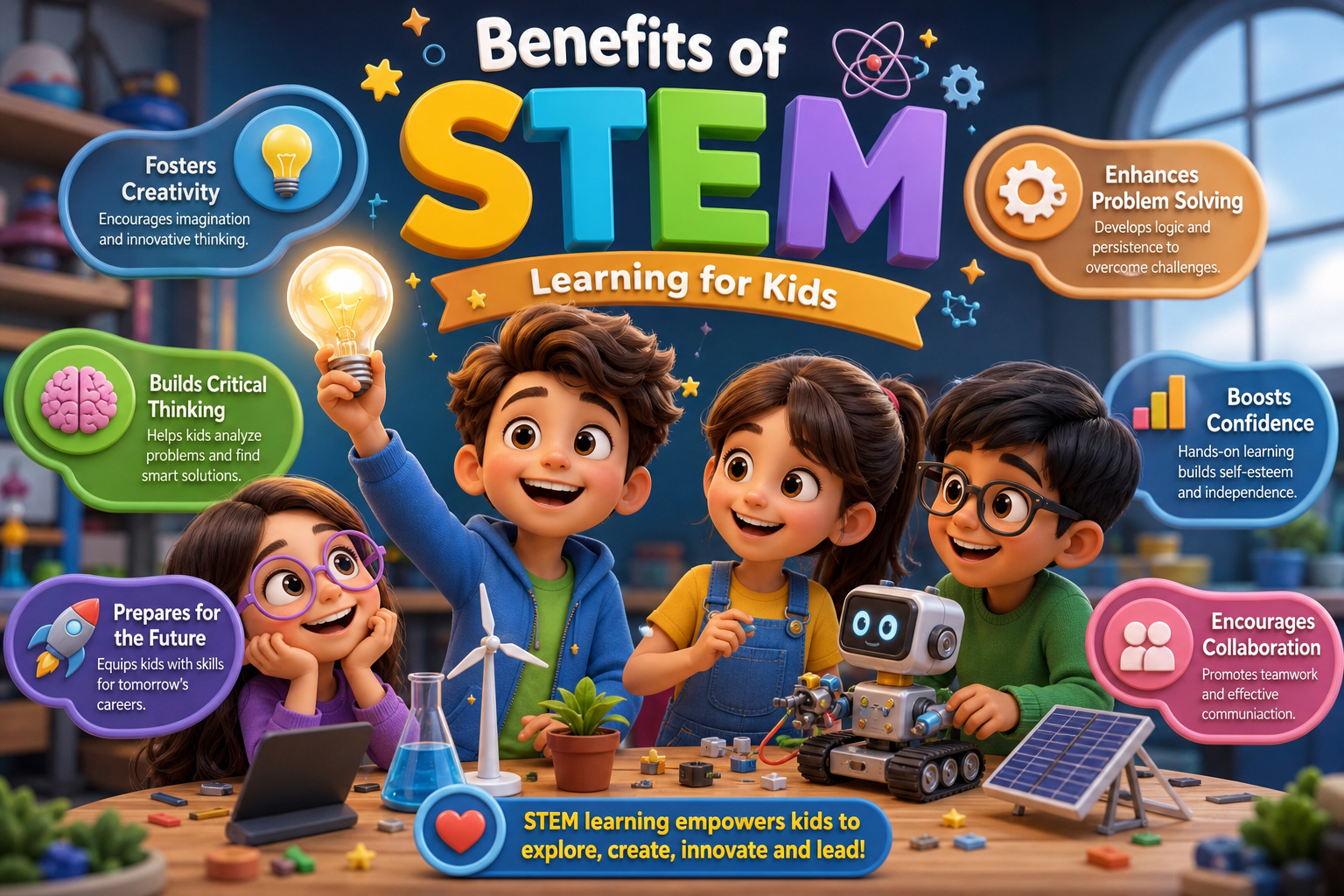
Choosing STEM activities for homeschooling offers many benefits. First, these activities foster creativity. Kids learn to think outside the box and come up with innovative solutions. Secondly, STEM activities encourage teamwork. Many projects can be done in groups, promoting collaboration and communication skills. Furthermore, these activities make learning fun. When kids are engaged, they are more likely to retain information. Lastly, STEM education prepares children for future careers. Many jobs today require a solid understanding of STEM concepts. By incorporating these activities, homeschool moms can give their kids a head start.
Simple Science Experiments to Try at Home
Science experiments can be both fun and educational. One simple experiment is the “Baking Soda and Vinegar Volcano.” For this, you need baking soda, vinegar, and a container. Place baking soda in the container and slowly add vinegar. Watch as it erupts! This experiment teaches kids about chemical reactions. Another fun idea is the “Invisible Ink” experiment. Use lemon juice as ink and write on paper. Once it dries, hold it near a light bulb to reveal the message. This activity introduces kids to acids and heat reactions.
Creating a Home Lab
Setting up a home lab can make conducting science experiments easier. Use a table or a corner of a room to create a dedicated space. Stock it with basic supplies like test tubes, beakers, and safety goggles. You can also include household items like food coloring and baking soda. This setup encourages kids to explore science more freely. Moreover, it helps organize materials, making it easier to find what you need when inspiration strikes.
Technology Activities for Young Innovators
Technology activities can inspire kids to become innovators. One engaging project is building a simple circuit using a battery, wires, and a light bulb. Teach kids how to connect the wires and see how electricity flows. This activity provides hands-on experience with basic electrical concepts. Another fun tech activity is coding using block-based programming platforms like Scratch. Kids can create their own animations or games. This introduces them to coding in a fun and interactive way.
Using Apps and Online Resources
Many apps and websites offer interactive STEM activities. Websites like Code.org provide free coding lessons for kids. Apps like Tynker allow children to learn programming through games. These resources make learning accessible and enjoyable. Homeschool moms should explore these options to find the best fit for their children. Incorporating technology into learning not only makes it fun but also prepares kids for a tech-driven world.
Engineering Challenges for Creative Minds
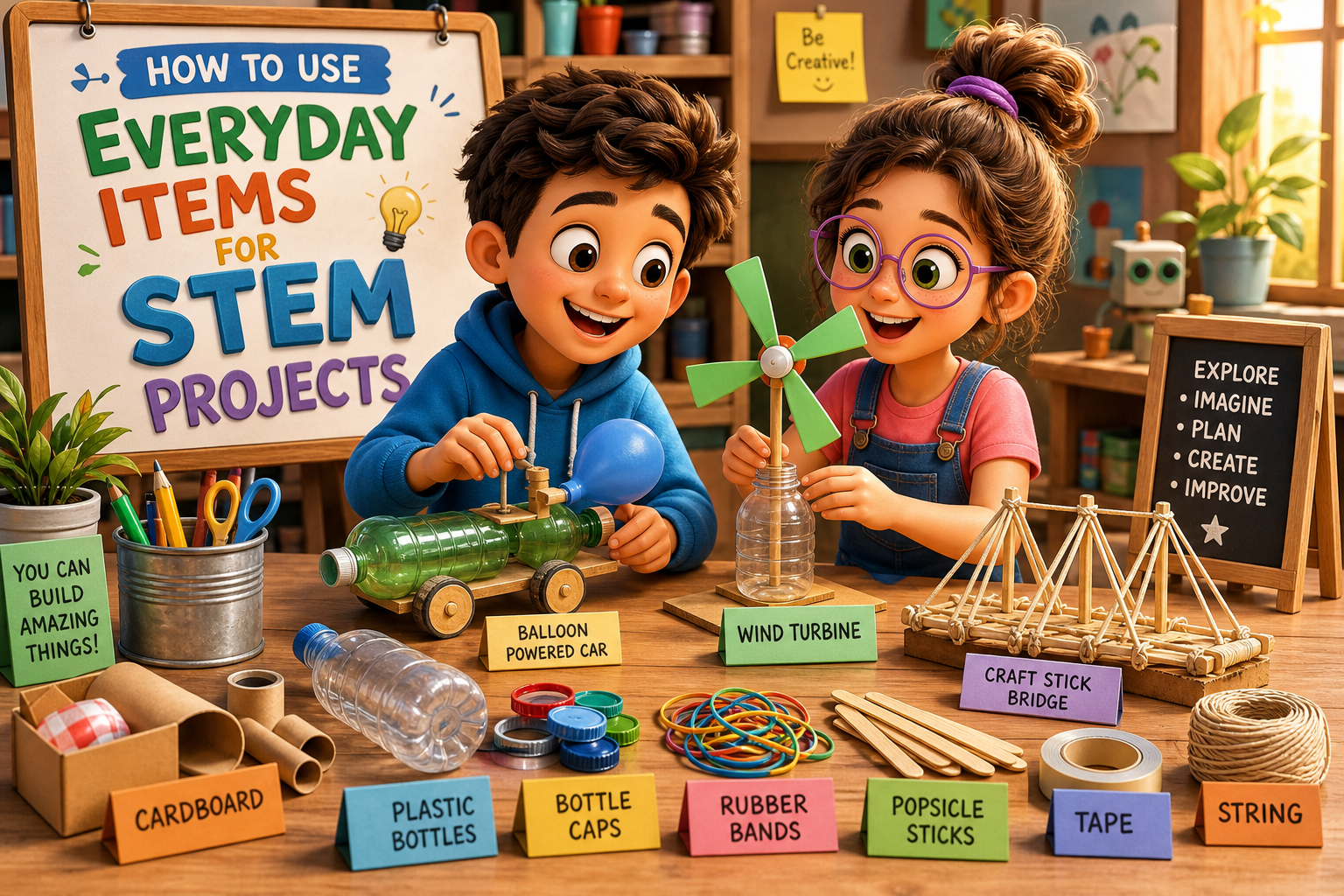
Engineering challenges encourage creativity and problem-solving. A popular activity is the “Marshmallow Tower Challenge.” Provide kids with marshmallows and spaghetti. Challenge them to build the tallest tower within a time limit. This activity teaches principles of design and stability. Another engaging project is creating a bridge using everyday materials. Kids can use straws, paper, or popsicle sticks to build a bridge that can hold weight. This hands-on experience introduces them to engineering concepts.
Building with LEGO and Other Materials
LEGO sets are excellent for engineering activities. They encourage kids to build and create structures. You can set specific challenges, like building a vehicle or a house. This allows kids to use their imagination while learning about engineering principles. Other materials like cardboard, tape, and scissors can also be used for building projects. Encourage kids to think critically about their designs and consider how to improve them.
Math Games That Make Learning Fun
Math does not have to be boring. Engaging games can make learning math fun. One simple game is “Math Bingo.” Create bingo cards with math problems. As you call out the answers, kids mark them on their cards. This is a fun way to practice addition, subtraction, or multiplication. Another game is “Number Scavenger Hunt.” Hide math problems around the house, and let kids solve them as they find each clue. This activity promotes movement while reinforcing math skills.
Incorporating Real-World Math Problems
Using real-world scenarios can make math more relatable. For example, cooking is a great way to teach measurements and fractions. Involve kids in following a recipe and adjusting portion sizes. Another idea is budgeting for a family event. Let kids help plan a budget and track expenses. This teaches them how math is applicable in everyday life. By connecting math to real-world situations, kids can see its value and relevance.
Environmental STEM Activities to Foster Awareness
Environmental STEM activities help kids understand their impact on the planet. A simple activity is creating a compost bin. Teach kids how to compost kitchen scraps and yard waste. This not only reduces waste but also enriches the soil. Another engaging project is building a birdhouse. Kids can learn about local birds and their habitats while constructing a safe place for them to live. These activities promote environmental awareness and responsibility.
Gardening as a STEM Activity
Gardening provides hands-on experience with biology and ecology. Start a small garden at home. Kids can help plant seeds, water them, and watch them grow. This teaches them about plant life cycles and ecosystems. You can also explore topics like soil health and pollinators. By gardening, kids learn patience and responsibility while connecting with nature. It is a rewarding way to integrate STEM learning into daily life.
Integrating Art into STEM Activities
Integrating art into STEM can enhance creativity. One fun project is creating 3D models of geometric shapes using clay or paper. This helps kids visualize math concepts while engaging their artistic side. Another idea is to design and build a roller coaster using foam pipes. Kids can learn about physics and engineering while having fun with design. These projects demonstrate that art and STEM can go hand in hand.
Encouraging Creative Thinking
Encouraging kids to think creatively is vital. Provide them with open-ended projects where they can express themselves. This could be designing a new product or inventing a game. Allow kids the freedom to explore their ideas without strict guidelines. This approach fosters innovation and helps develop critical thinking skills. By blending art with STEM, children learn to approach problems from different angles.
Collaborative STEM Projects for Family Bonding
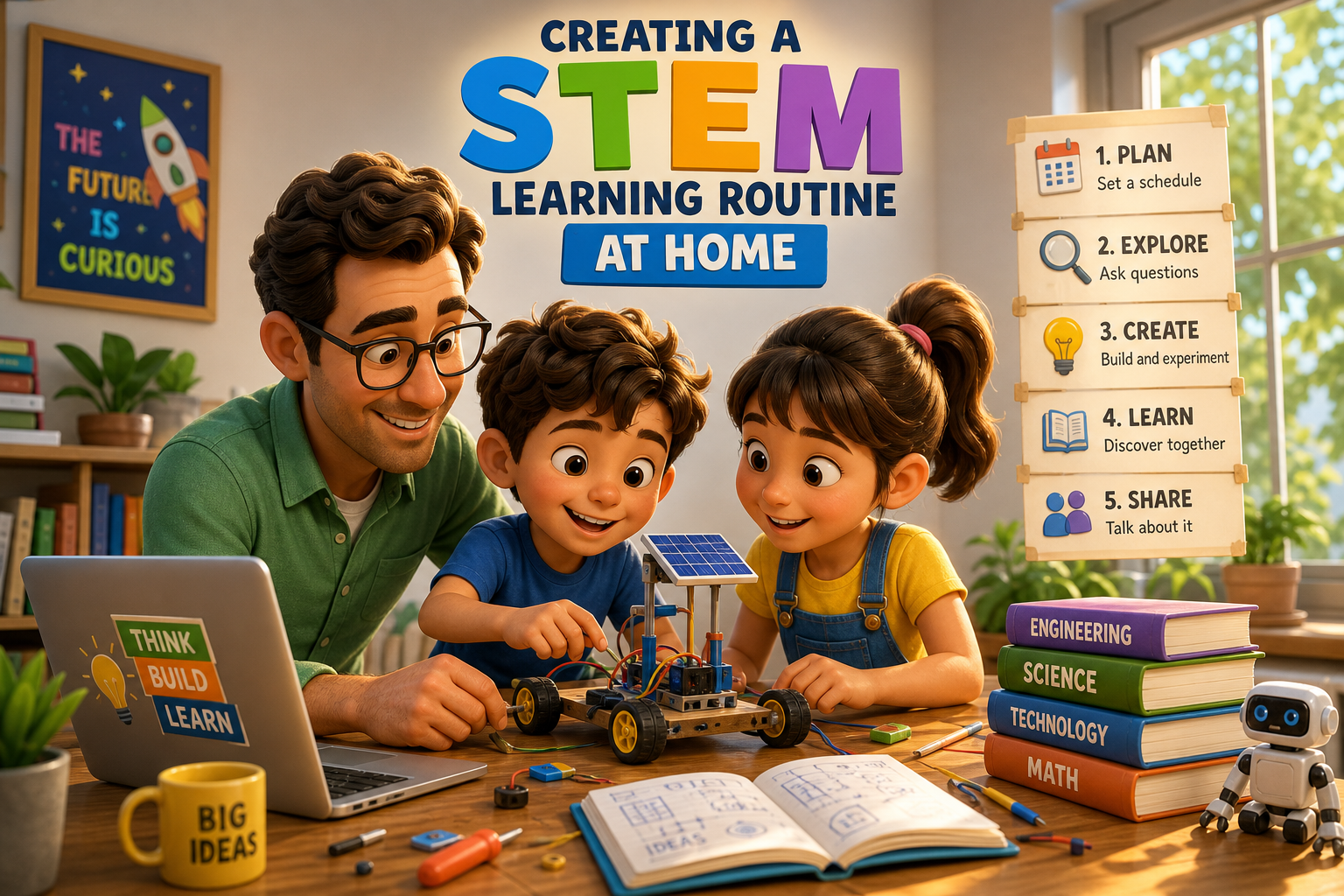
Collaborative projects can strengthen family bonds while learning. Plan a family science night where everyone participates in experiments. Choose a fun project, like making slime or launching a homemade rocket. Each family member can take on a role, encouraging teamwork and communication. Another idea is to start a family STEM club. Meet regularly to discuss topics, work on projects, and share discoveries. This not only makes learning a family affair but also builds a supportive learning environment.
Setting Goals for Collaborative Projects
When working on family projects, set clear goals. Discuss what you want to achieve and how everyone can contribute. This helps keep everyone focused and motivated. Celebrate milestones, whether it is completing a project or learning something new. Recognizing accomplishments fosters a sense of achievement and encourages further exploration. By working together, families can create lasting memories and a love for learning.
Conclusion: The Future of STEM Learning at Home
Engaging in STEM activities offers numerous benefits for homeschool moms and their kids. These activities encourage creativity, critical thinking, and teamwork. As technology continues to evolve, the importance of STEM education will only grow. By incorporating fun projects into daily learning, families can create a solid foundation for their children’s future. Remember, the goal is to make learning enjoyable and relevant. With a variety of activities to choose from, there is no limit to what you and your kids can discover together. Embrace the journey of learning and exploration.