



Understanding STEM and Its Importance
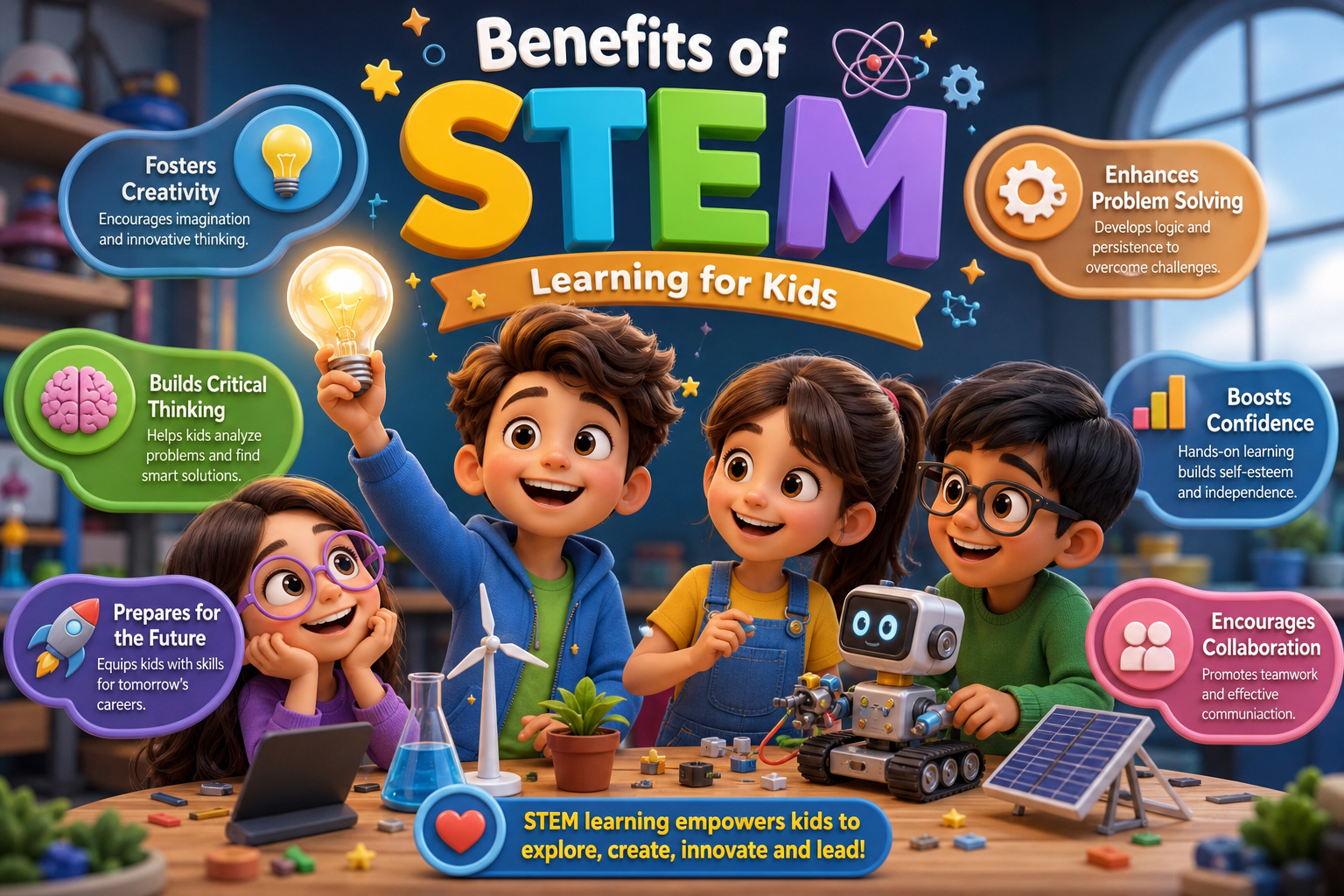
STEM stands for Science, Technology, Engineering, and Mathematics. In today’s fast-paced world, these fields are more important than ever. Kids who engage in STEM activities develop critical thinking skills. They learn how to solve problems and think logically. This makes them ready for future jobs that require these skills.
Research shows that children who have a strong foundation in STEM subjects tend to perform better in school. They are also more likely to pursue careers in high-demand fields. This is why creating a STEM learning routine at home is essential. It helps children explore their interests and gain confidence in their abilities. With a structured approach, parents can foster a love for learning that lasts a lifetime.
Setting Up a Dedicated Learning Space
Creating a specific area for STEM activities can make a big difference. Choose a spot in your home that is quiet and well-lit. This could be a corner of the living room, a spare room, or even a part of the kitchen. Make sure this space is free from distractions. This allows children to focus on their projects.
Equip the area with essential supplies. Stock it with basic tools like scissors, glue, paper, and markers. Include more advanced tools like a calculator, a microscope, or a computer. Having everything in one place makes it easier for kids to dive into activities. You can also decorate this space with posters of famous scientists or engineers. This creates an inspiring environment for learning.
Incorporating Daily STEM Activities
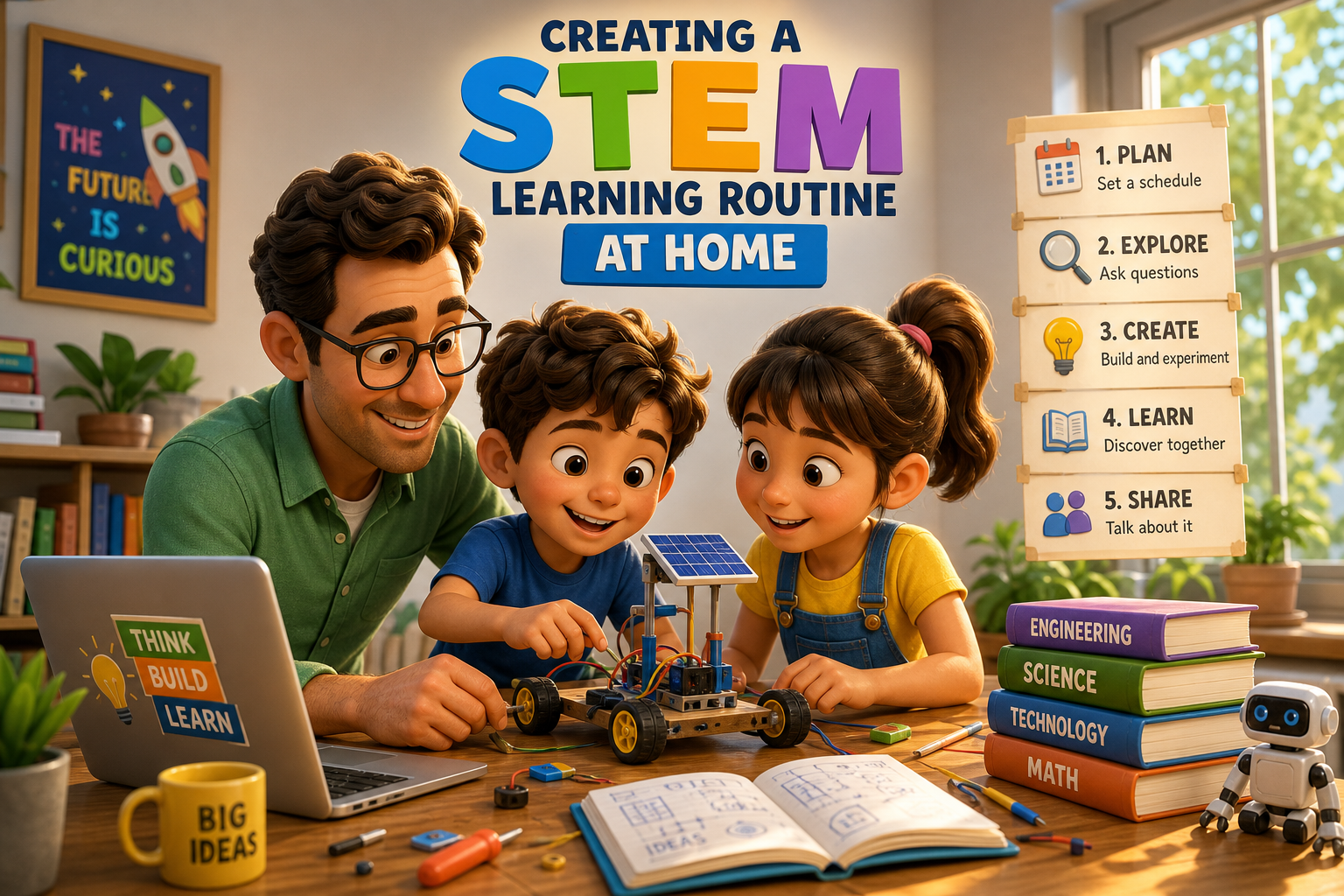
Make STEM learning a part of your daily routine. Set aside specific times for activities each day. This could be after school, on weekends, or during holidays. Consistency is key. When children know they have dedicated time for STEM, they look forward to it.
Choose a mix of activities that include science experiments, math games, and engineering challenges. For example, you can start with simple science experiments like making a volcano using baking soda and vinegar. These fun activities not only engage kids but also help them understand scientific concepts. Rotate activities to keep things fresh and exciting. This way, kids will remain curious and eager to learn.
Choosing the Right Resources and Tools
The right tools can enhance the learning experience. In 2026, there are many excellent resources available for STEM education. Consider using educational websites, apps, and interactive platforms. Websites like Khan Academy and Code.org offer free courses on various topics. These resources are ideal for kids at different learning levels.
Books are also a great addition to your STEM routine. Look for age-appropriate books that cover topics in science, technology, engineering, and math. Local libraries often have a good selection of STEM-related titles. You can also explore subscription boxes that deliver STEM kits directly to your home. These kits usually include hands-on projects that are fun and educational.
Engaging with Community Resources
Take advantage of community resources for STEM learning. Many local museums, science centers, and libraries offer workshops and events focused on STEM. These activities can be a great way for kids to learn outside of the home. They also allow children to interact with peers who have similar interests.
Consider joining local clubs or groups that focus on STEM. Many towns have robotics clubs, science fairs, or coding sessions. These groups often provide a supportive environment for children to explore their interests. Participating in community events can also inspire kids to think creatively and work collaboratively.
Encouraging Curiosity and Exploration
One of the best ways to promote STEM learning is by encouraging curiosity. Ask open-ended questions that stimulate thinking. For example, instead of asking if they liked an experiment, ask what they think will happen if they change a variable. This approach helps children learn to hypothesize and analyze results.
Allow children to explore their interests within STEM. If they show a keen interest in robotics, provide them with building kits. If they love nature, encourage them to conduct experiments related to environmental science. Providing choices empowers kids and helps them take ownership of their learning. This can lead to deeper engagement and understanding of complex concepts.
Balancing Screen Time with Hands-On Learning
In today’s digital age, balancing screen time with hands-on activities is essential. While technology is a vital part of STEM education, practical experiences are equally important. Encourage kids to spend time on computers or tablets learning coding or exploring scientific concepts.
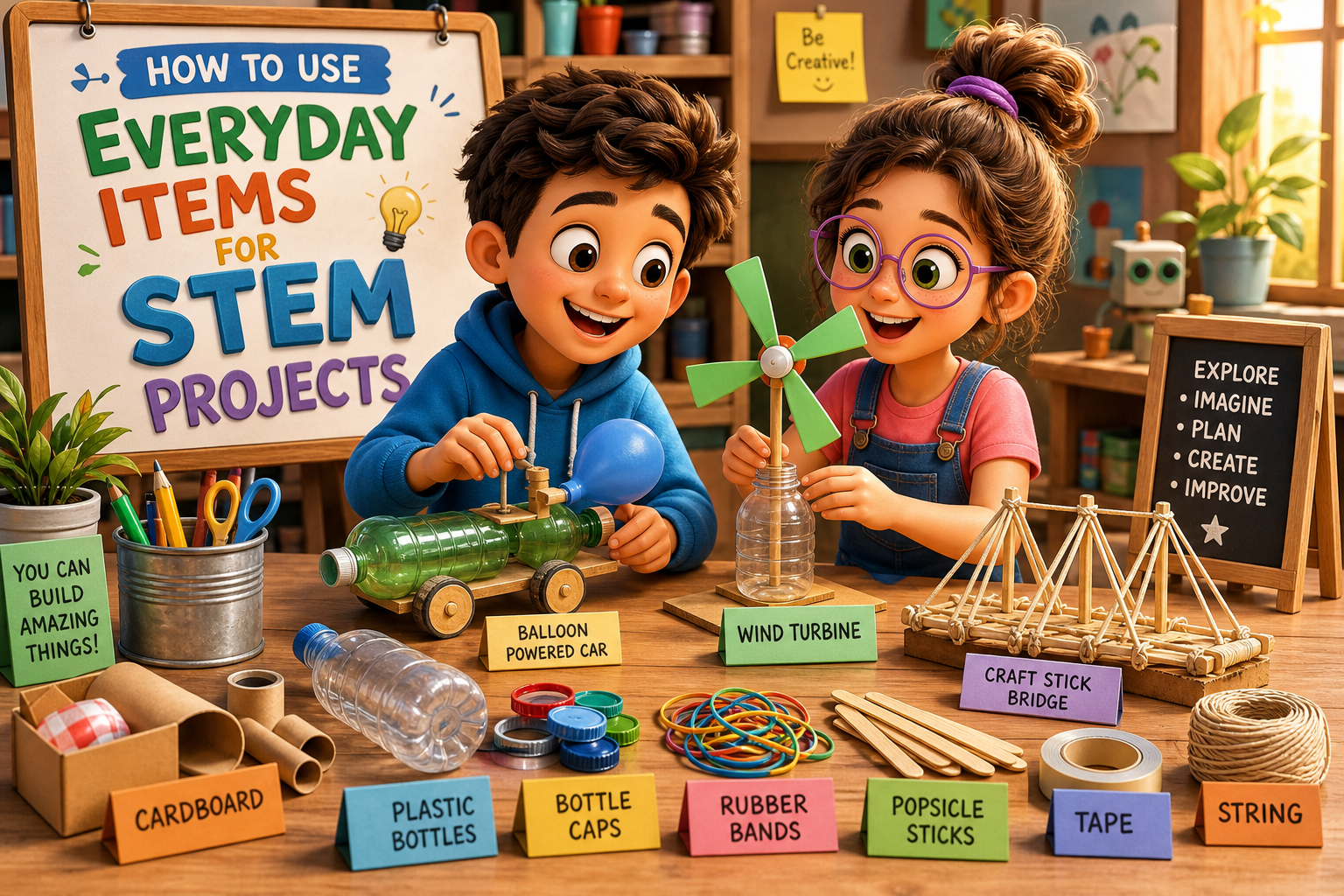
However, also ensure they have plenty of opportunities for hands-on learning. Engaging in building projects, science experiments, or art-based STEM activities fosters creativity. For example, you can challenge them to build a bridge using only straws. This combines engineering and creativity, making learning fun and interactive.
Assessing Progress and Adapting the Routine
Regularly assessing your child’s progress is essential in a STEM learning routine. Monitor how they engage with activities and what interests them. You can keep a journal or log of the activities they complete. This not only tracks progress but also helps identify areas where they excel or struggle.
Be flexible and willing to adapt the routine as needed. If your child shows a growing interest in physics, consider incorporating more related activities. Adjusting the routine keeps the learning experience dynamic. It also ensures that your child remains engaged and motivated. Celebrate their achievements, no matter how small. Positive reinforcement encourages them to continue exploring and learning.
Conclusion: Building a Lifelong Love for STEM
Creating a STEM learning routine at home can significantly benefit your child’s education. By setting up a dedicated space, incorporating daily activities, and using the right resources, you can foster a love for STEM. Engaging with community resources and encouraging exploration will further enhance this experience.
Remember to balance screen time with hands-on learning. Regularly assess progress to adapt the routine as needed. With patience and creativity, you can help your child develop skills that will serve them well in the future. In a world where STEM is increasingly important, providing these opportunities is a gift that lasts a lifetime.