






Introduction to STEM Learning Tools
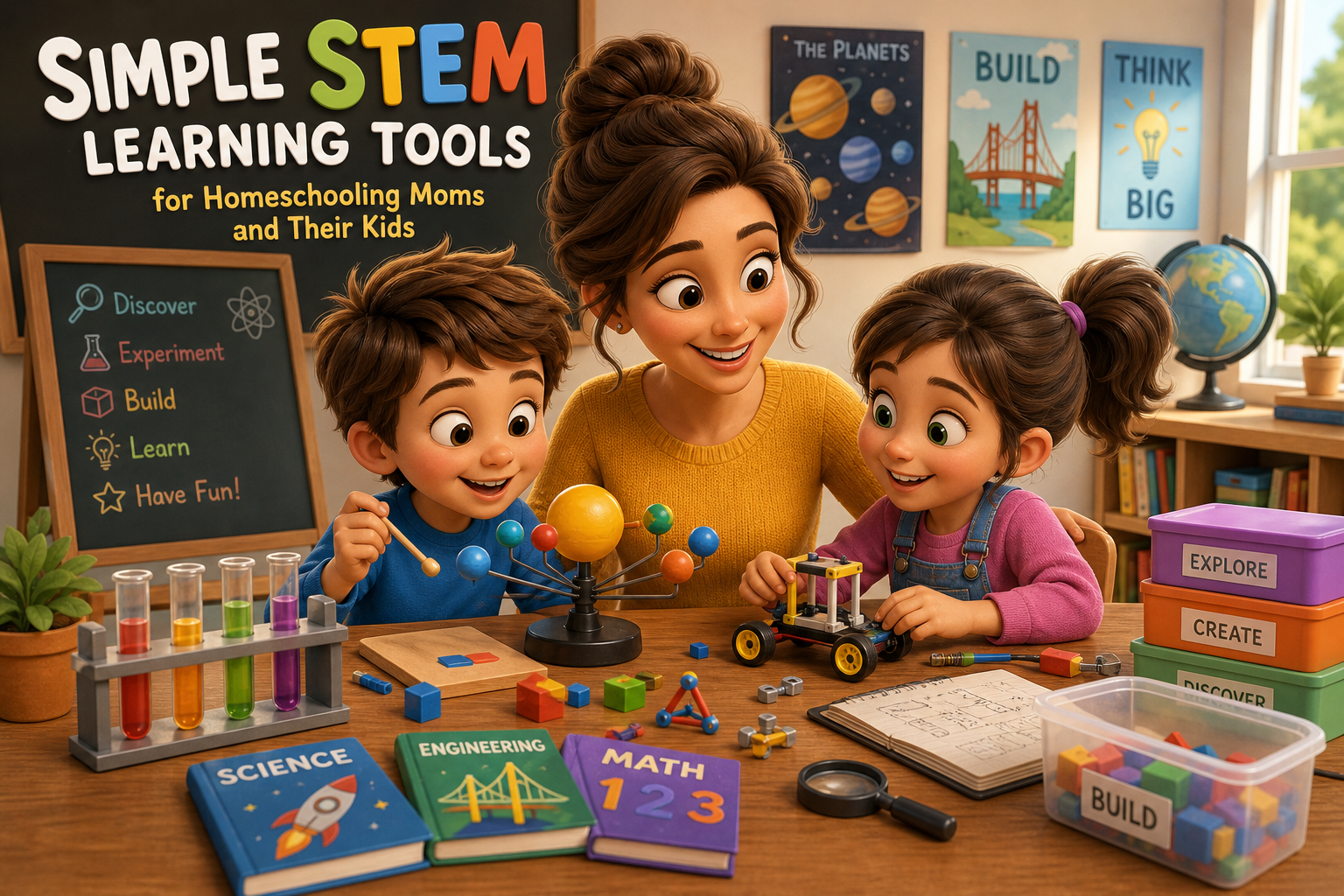
STEM learning tools are essential for homeschooling moms and their kids in 2026. STEM stands for Science, Technology, Engineering, and Mathematics. These subjects are critical for developing problem-solving skills and creativity. With the right tools, you can make learning engaging and fun. In this article, we will explore various simple STEM learning tools that will help you enhance your homeschooling experience. Whether your child is a budding scientist or an aspiring engineer, these tools will provide the foundation they need for future success.
Why Choose STEM Learning Tools?
STEM learning tools offer numerous benefits. They encourage hands-on learning, which can be more effective than traditional methods. Kids enjoy exploring and experimenting, and STEM tools allow them to do just that. For example, using building blocks helps children understand engineering concepts while also fostering creativity. Additionally, STEM tools often promote collaboration. When kids work together on projects, they learn teamwork and communication skills, which are vital in today’s world.
Moreover, STEM education prepares kids for future careers in high-demand fields. According to recent studies, jobs in STEM fields are growing faster than those in non-STEM areas. This means that providing your children with a solid foundation in these subjects is not just beneficial but necessary.
Popular STEM Learning Tools for Homeschooling
There are many STEM tools available today. Here are some popular options for homeschooling moms:
1. Building Kits
Building kits, such as LEGO sets or K’NEX, are fantastic for teaching engineering concepts. Kids can create structures, vehicles, and even robots. These kits help develop fine motor skills and spatial awareness. When children build with their hands, they learn about balance, gravity, and design principles. You can set challenges, like building the tallest tower or a bridge that can support weight. This adds an element of fun to learning.
2. Coding Tools
In today’s tech-driven world, coding is a vital skill. Tools like Scratch or Code.org introduce kids to programming in an enjoyable way. With visual blocks and interactive lessons, children can create their own games or animations. Start with simple projects to build confidence. As kids advance, they can tackle more complex coding challenges, which enhances their logical thinking and problem-solving abilities.
3. Science Experiment Kits
Science experiment kits provide hands-on learning experiences that spark curiosity. Kits like KiwiCo or Scientific Explorer offer various projects that cover chemistry, biology, and physics. These experiments allow kids to see concepts in action. For example, a simple volcano project teaches about chemical reactions while being fun and messy. Make sure to follow safety guidelines and encourage your child to ask questions during experiments.
Integrating STEM Learning into Daily Life
Integrating STEM learning into daily life can be easy and enjoyable. Here are some practical tips:
1. Everyday Science
Use everyday activities to teach science. Cooking is a great way to explore chemistry. When baking, kids learn about measurements, changes in states, and reactions. Gardening can teach biology and ecology. Kids can observe plant growth and learn about ecosystems. Encourage them to ask questions about why things happen. This fosters a curious mindset.
2. Technology at Home
Use technology to enhance learning. Educational apps and online resources can provide additional support. Websites like Khan Academy offer free courses in math and science. You can also find YouTube channels that focus on STEM topics. Watching videos can make complex concepts easier to understand. Make sure to monitor screen time and balance it with hands-on activities.
Community Resources for STEM Learning
Explore your local community for STEM resources. Many libraries offer free programs and workshops focused on science and technology. Local museums often have hands-on exhibits that kids can explore. Check for community centers that host STEM clubs or events. These activities not only enhance learning but also provide social interaction for your children.
1. Online Communities
Online communities can also be a valuable resource. Websites like Homeschool.com provide forums where parents share ideas and resources. You can connect with other homeschooling families to find support and inspiration. Social media groups focused on homeschooling can also be helpful. Here, you can find tips, resources, and even organize group activities.
Encouraging Critical Thinking Through STEM
Critical thinking is essential for problem-solving. STEM learning tools can help develop this skill. Here are some methods to encourage critical thinking:
1. Open-Ended Questions
Ask open-ended questions during activities. Instead of simply asking for an answer, encourage kids to explain their thinking. For example, after a science experiment, ask, “What do you think will happen if we change the temperature?” This prompts them to think critically about their observations and predictions.
2. Problem-Solving Challenges
Set up problem-solving challenges that require creative solutions. For example, you could present a scenario where a bridge must be built with limited resources. Kids can brainstorm ideas and work through the engineering process. This not only teaches them about design but also fosters teamwork and communication. Celebrate their successes and encourage them to learn from mistakes.
STEM Learning Tools for Different Age Groups
Different age groups require different types of STEM learning tools. Here’s a breakdown by age:
1. Preschool (Ages 3-5)
For younger children, focus on simple, tactile tools. Building blocks, simple puzzles, and interactive toys can all help develop basic STEM skills. Activities like sorting shapes or counting objects help introduce math concepts. Use everyday objects to create fun learning experiences. For example, counting fruits during snack time can make math engaging.
2. Elementary (Ages 6-10)
Elementary-aged kids benefit from more structured tools. Science kits, building sets, and beginner coding platforms are excellent choices. Encourage exploration and experimentation. For example, a simple chemistry kit can offer hands-on fun while teaching essential concepts. Incorporate storytelling into learning to keep kids engaged.
3. Middle School (Ages 11-14)
For middle schoolers, challenge them with more advanced tools. Robotics kits or coding challenges can spark interest in technology. Encourage them to participate in competitions, like science fairs or robotics contests. This not only enhances their skills but also exposes them to teamwork and collaboration.
Finding the Right STEM Tools for Your Home
Selecting the right STEM tools can be overwhelming with so many options. Here are some tips to help you choose:
1. Assess Your Child’s Interests
Consider your child’s interests when choosing tools. If they enjoy building, look for engineering kits. If they are interested in computers, coding tools might be a better fit. Tailoring your choices to their preferences will make learning more enjoyable and engaging.
2. Read Reviews and Recommendations
Before making a purchase, read reviews and recommendations. Websites, blogs, and forums can provide insights into how effective a tool is. Look for feedback from other homeschooling parents. This can help you make informed decisions and avoid wasting money on ineffective products.
Conclusion: Making STEM Learning Fun
Incorporating STEM learning tools into your homeschooling journey can be rewarding. These tools not only make learning fun but also prepare kids for future challenges. By using building kits, coding tools, and science experiments, you can create an engaging learning environment. Remember to integrate STEM into daily life and encourage critical thinking through open-ended questions and problem-solving challenges.
With the right resources and a playful approach, you can inspire your children to explore, innovate, and think critically. As a homeschooling mom, you have the power to shape their educational journey. Embrace STEM learning tools and watch your kids thrive.