



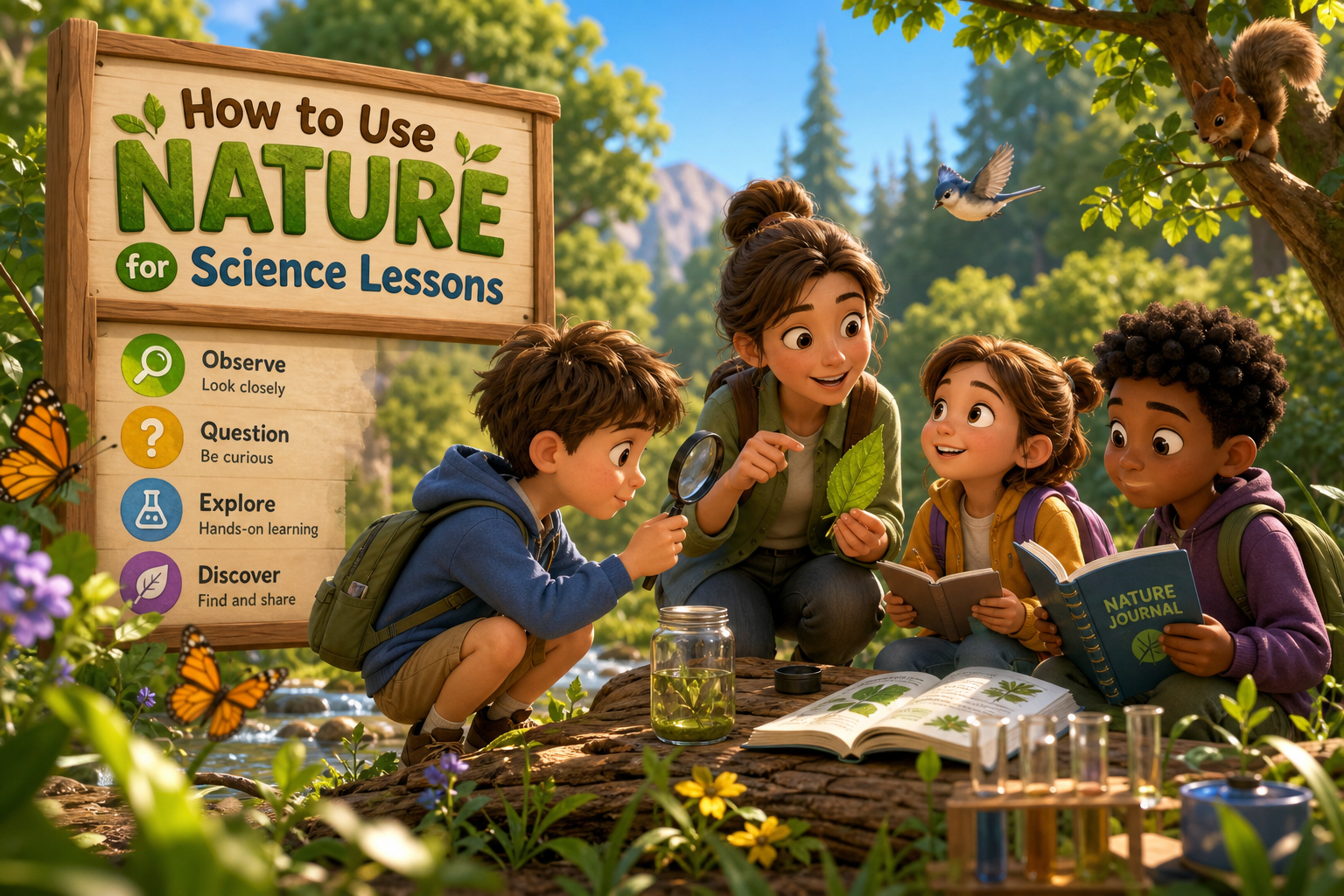
Using nature for science lessons can transform the way students learn. It connects them to the world around them and makes scientific concepts come alive. In 2026, educators are increasingly recognizing the value of outdoor learning. Nature is not just a backdrop; it is a rich resource filled with opportunities for exploration and discovery. This article will provide you with practical strategies, activities, and insights on how to effectively incorporate nature into your science teaching.
Benefits of Learning in Nature
Learning in nature has numerous benefits. First, it promotes physical health. When students engage with the outdoors, they get fresh air and exercise, which can enhance their overall well-being. Second, it boosts mental health. Nature has a calming effect, reducing stress and anxiety levels. Third, it fosters a lifelong love for science. Students who learn in nature often develop a deeper appreciation for the environment. They become more curious about how ecosystems work and how they can help protect them.
Encouraging Curiosity
Nature encourages students to ask questions. When students see a butterfly or a plant, they are naturally curious about its life cycle, habitat, and role in the ecosystem. This curiosity can lead to deeper scientific inquiry. Teachers can harness this by prompting discussions and guiding students to research their observations. This hands-on approach makes learning more meaningful and memorable.
Creating Outdoor Classrooms
An outdoor classroom can be a simple setup. It can be a designated area in a school yard or a nearby park. To create one, start by identifying a safe and accessible location. Set up tables and seating that can withstand the elements. Provide tools like magnifying glasses and notebooks for observation. This space allows students to conduct experiments, observe wildlife, or collect samples of plants and soil.
Essential Supplies
Gather essential supplies for your outdoor classroom. Consider providing items like first aid kits, sunscreen, and insect repellent. Make sure to have field guides for local plants and animals. Binoculars and cameras can enhance students’ experiences, allowing them to document their findings. Having these supplies ready will prepare you for any outdoor lesson.
Integrating Nature into Science Curriculum
Integrating nature into the science curriculum helps students see real-world applications of what they learn. For example, while studying plant biology, students can collect leaves and observe their structure. They can learn about photosynthesis by observing how plants grow in sunlight. This approach not only reinforces textbook knowledge but also helps students understand ecological relationships.
Real-World Applications
Real-world applications are critical in science education. Students can engage in projects like testing soil samples for pH levels or observing animal behavior in their natural habitats. These activities allow them to apply scientific methods and develop analytical skills. Students learn to form hypotheses, conduct experiments, and analyze data, which are essential skills in any scientific field.
Field Trips: A Gateway to Exploration
Field trips offer unique opportunities to explore nature. Visiting local parks, botanical gardens, or nature reserves can provide hands-on learning experiences. These trips can be planned to coincide with specific lessons. For instance, a trip to a river can enhance a lesson on ecosystems and water cycles. Prepare students by discussing what they will see and learn, and follow up with discussions or projects based on their experiences.
Planning Effective Field Trips
When planning field trips, consider logistics carefully. Make sure to obtain permissions and check safety guidelines. Create a clear itinerary and prepare students with background information. Encourage students to ask questions and take notes. After the trip, hold a debriefing session to discuss findings and feelings. This reflection reinforces learning and allows students to express their thoughts.
Seasonal Nature Activities
Seasonal activities can help students connect with nature all year round. In spring, students can plant seeds and observe their growth. In summer, they can explore local ponds, identifying insects and plants. Autumn brings opportunities to study leaf changes and animal migrations. Winter allows for studying snow patterns and animal tracks. Each season provides unique lessons and experiences.
Year-Round Engagement
Year-round engagement with nature keeps learning fresh and relevant. Create a nature calendar that outlines activities for each season. Encourage students to participate in seasonal events like Earth Day or local clean-up days. By engaging with their community, students learn the importance of environmental stewardship. This approach helps them see the impact of their actions on the planet.
Hands-On Experiments in Nature
Hands-on experiments are effective for teaching scientific concepts. Students can conduct experiments like testing water quality in streams or measuring plant growth under different conditions. These experiments allow them to collect data and analyze results in real-time. This method fosters critical thinking and problem-solving skills, essential for scientific inquiry.
Examples of Experiments
Some examples of hands-on experiments include comparing the growth of plants in sunlight versus shade or observing the effects of pollution on local wildlife. Students can also set up simple experiments like creating a mini-ecosystem in a jar. These activities provide concrete examples of scientific principles in action and make learning enjoyable.
Using Technology to Enhance Nature Learning
Technology can enhance outdoor learning experiences. Tools like tablets and smartphones can be used to identify plants and animals. Apps that focus on birdwatching or plant recognition can enrich students’ engagement with nature. Additionally, students can use cameras to document their findings and create presentations. This integration of technology keeps lessons current and relatable.
Recommended Tools and Apps
In 2026, various apps can help in nature studies. Apps like iNaturalist allow students to record and share their observations. Others, such as Seek by iNaturalist, help identify species. These tools make learning interactive and encourage students to explore their surroundings. Incorporating technology can also appeal to tech-savvy students and enhance their learning experience.
Collaborative Group Projects
Collaborative group projects foster teamwork and communication skills. Students can work in groups to research local ecosystems or create a nature journal documenting their observations. These projects encourage collaboration and allow students to learn from each other. By sharing their findings, students develop presentation skills and gain confidence in their abilities.
Structuring Group Projects
When structuring group projects, provide clear guidelines and goals. Assign roles within groups, such as researcher, recorder, or presenter. This organization helps keep students focused and accountable. Encourage creativity in presenting findings, whether through posters, videos, or digital presentations. Group projects can culminate in a nature fair where students showcase their work to the school community.
Assessing Learning Outcomes
Assessing learning outcomes is vital to understand students’ progress. Use various assessment methods like observation, journals, and presentations. Consider using rubrics that focus on different skills, such as teamwork, creativity, and scientific understanding. This comprehensive approach ensures that students receive feedback on multiple aspects of their learning, not just test scores.
Feedback and Improvement
Feedback is essential for improvement. After assessments, hold discussions to review what worked and what can be improved. Encourage students to reflect on their learning experiences. This reflection helps them understand their strengths and areas for growth. By creating a culture of feedback, students become more engaged and motivated to learn.
Using nature for science lessons enriches the learning experience. It fosters curiosity, improves mental health, and helps students connect with the environment. By creating outdoor classrooms, planning field trips, and integrating hands-on experiments, educators can make science come alive. In 2026, these strategies are more relevant than ever. Embracing nature in education not only benefits students but also contributes to a more environmentally conscious future. Encourage exploration, creativity, and a love for science through the wonders of nature.