



Introduction to Teaching Engineering Concepts
Teaching engineering concepts can be a fun and rewarding experience. Children and students often show great enthusiasm when learning about how things work. Using hands-on activities and engaging methods can help them understand complex ideas easily. In 2026, many new tools and resources are available, making it even easier to teach engineering in a way that captivates students. This article explores fun ways to teach engineering concepts, providing valuable insights and practical tips.
1. Use Hands-On Projects
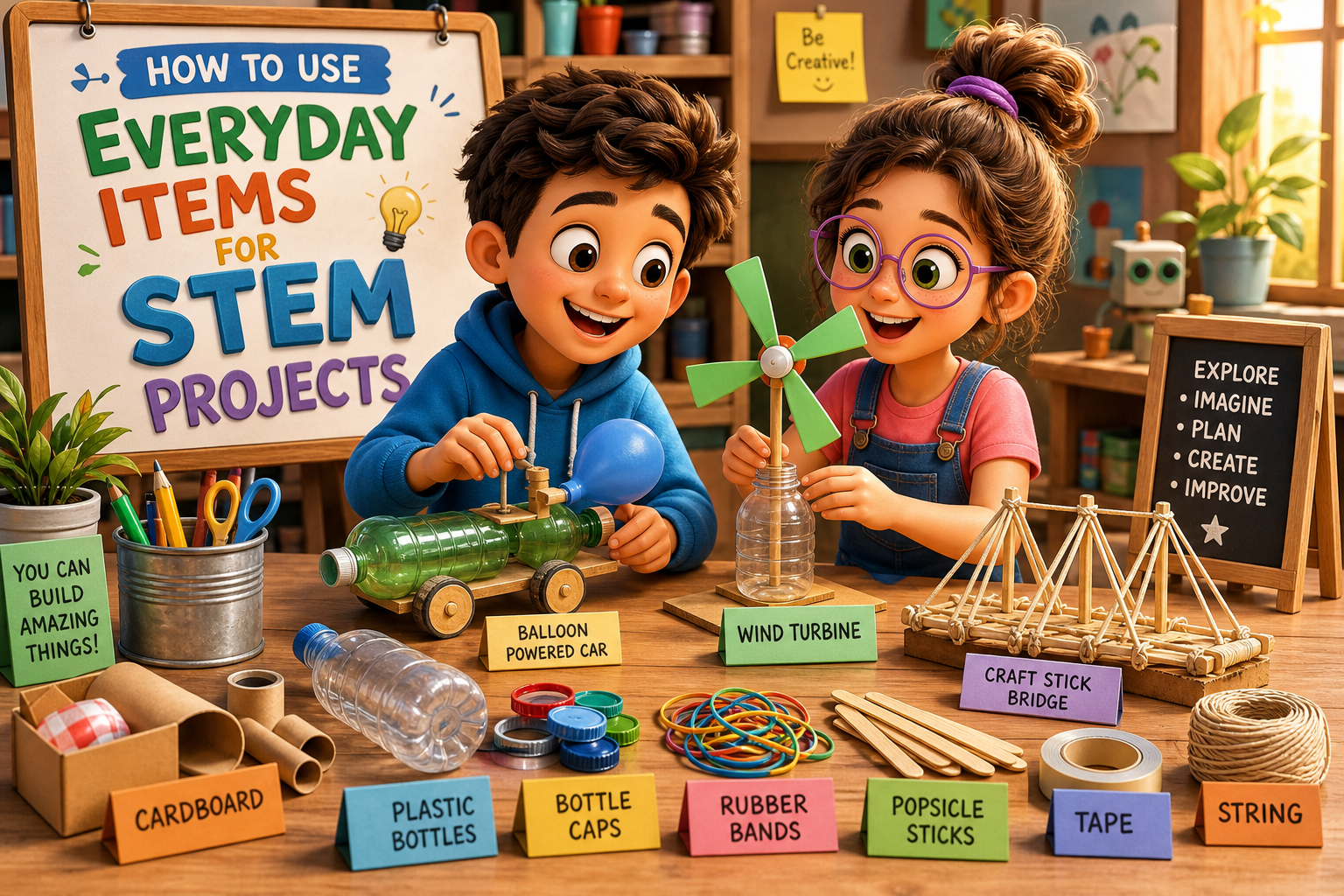
Hands-on projects are one of the best ways to teach engineering concepts. Building something with their own hands makes learning tangible. For example, students can create simple machines using everyday materials. They can make levers, pulleys, or catapults. These projects encourage creativity and problem-solving skills. They also help students understand the basic principles of engineering, such as force, motion, and energy transfer.
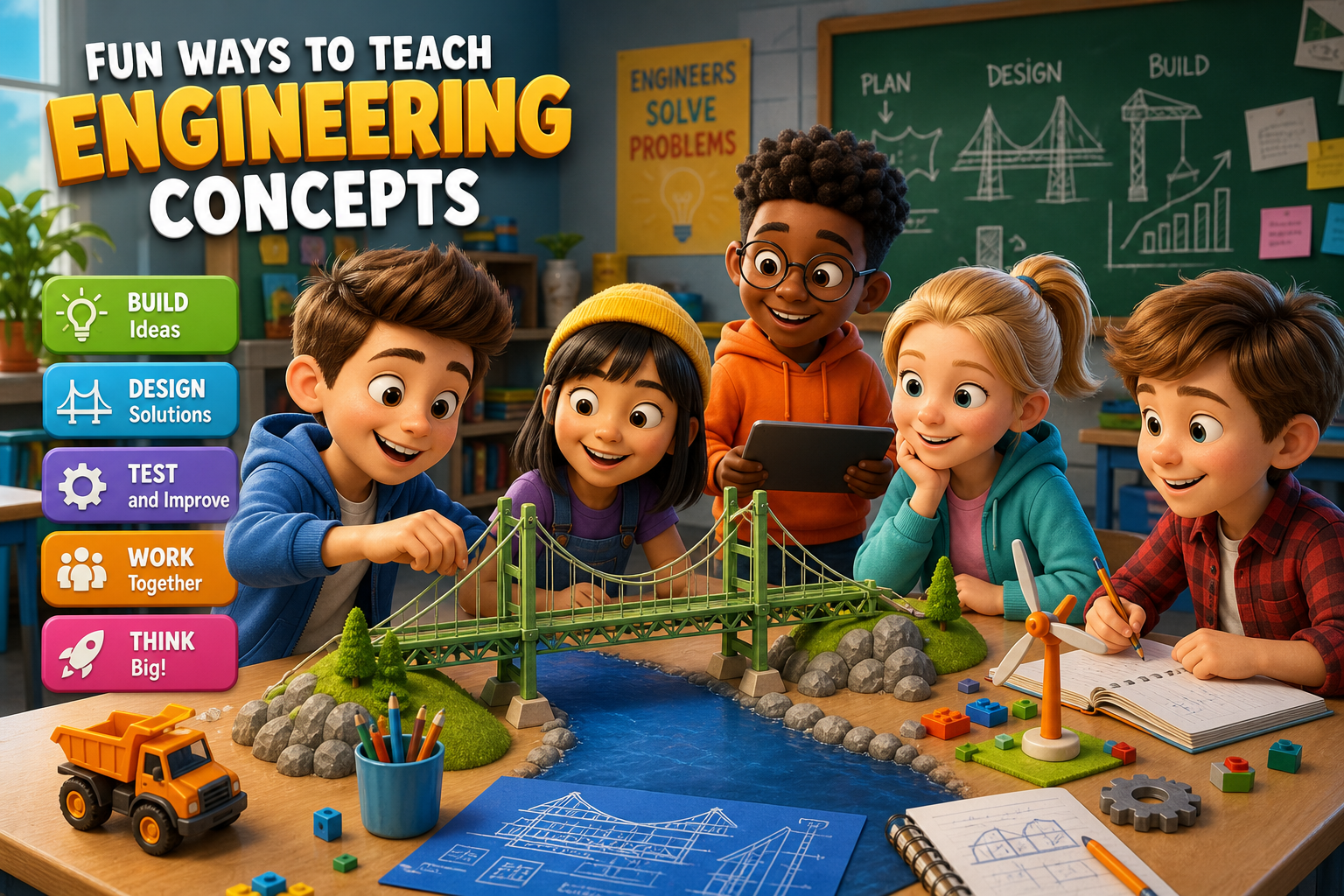
For a fun project, consider a bridge-building challenge. Provide students with materials like popsicle sticks, glue, and string. Set a goal for the bridge to hold a specific weight. This activity teaches structural engineering principles and encourages teamwork. Students will learn how to test their designs and make improvements. Through this project, they will also develop critical thinking skills.
2. Integrate Technology with Engineering
In 2026, technology plays a vital role in education. Integrating technology into engineering lessons can make learning more exciting. For example, using computer software to design structures can help students visualize their ideas. Programs like Tinkercad or SketchUp allow students to create 3D models of their designs. This experience introduces them to computer-aided design (CAD) tools used in the engineering field.
Additionally, robotics kits are excellent for teaching engineering concepts. Kits like LEGO Mindstorms or VEX Robotics let students build and program robots. This hands-on experience combines engineering with coding, enhancing their skills in both areas. By creating robots, students learn about mechanics, electronics, and programming. They also enjoy the challenge of making their creations work.
3. Use Real-World Examples
Real-world examples make engineering concepts relatable and easier to understand. Discussing how engineers solve real problems can inspire students. For instance, explore how civil engineers design bridges or how mechanical engineers create machines. You can use videos, articles, or guest speakers to share these stories.
Visit local engineering projects or industries. Field trips to construction sites or manufacturing plants expose students to engineering in action. They can see how theory translates into practice. After the trip, hold a discussion to reflect on what they learned. This connection to real-world applications helps solidify their understanding of engineering concepts.
4. Incorporate Games and Competitions
Games and competitions can enhance learning and make it enjoyable. Organizing engineering challenges encourages teamwork and problem-solving. For instance, host a coding competition where students create a simple program to solve a problem. This challenge combines coding and engineering principles, making it engaging.
You can also use board games that focus on engineering concepts. Games like “Gravity Maze” help students understand spatial reasoning and logic. These games provide a fun way to practice skills while learning new concepts. Additionally, consider creating a scavenger hunt with engineering-related tasks. This activity promotes movement and collaboration while reinforcing learning.
5. Explore Environmental Engineering
Environmental engineering is a important topic in today’s world. Teaching students about sustainability and eco-friendly practices can inspire them to think critically about the environment. Use projects that focus on renewable energy, waste management, and water conservation. For example, students can design a solar oven using simple materials. This project teaches them about solar energy and its applications.
Another engaging project is creating a model of a sustainable city. Students can research eco-friendly materials and practices. They can use recycled items to build their models. This activity encourages creativity and critical thinking about how to design cities with minimal environmental impact. Students will learn valuable lessons about sustainability and engineering.
6. Use Simulation Tools
Simulation tools are excellent for teaching complex engineering concepts. In 2026, many online platforms offer simulations that allow students to experiment with engineering principles. For instance, programs like PhET provide interactive simulations in physics and engineering. These tools help students visualize concepts like forces, energy, and motion.
Encourage students to explore various simulations related to their lessons. They can manipulate variables and see immediate results. This hands-on experience deepens their understanding of how engineering works. Consider assigning activities where students must solve a problem using simulation tools. This approach reinforces learning while fostering analytical skills.
7. Collaborate with Local Engineers
Collaboration with local engineers can enrich the learning experience. Engaging with professionals offers students insights into the field. Organize workshops or presentations where engineers share their work and experiences. This interaction allows students to ask questions and learn about different engineering disciplines.
Another way to collaborate is through mentorship programs. Pair students with local engineers who can guide them on projects. This relationship helps students gain real-world perspectives on engineering challenges. They can learn about career paths and the skills needed to succeed in engineering. Such experiences inspire students and motivate them to pursue engineering careers.
8. Use Storytelling to Explain Concepts
Storytelling is an effective method for teaching engineering concepts. Sharing stories about famous engineers or engineering breakthroughs makes learning relatable. For example, tell the story of the Eiffel Tower’s design and construction. Explain the engineering challenges faced and how they were overcome. This narrative approach captures students’ imaginations and helps them remember important concepts.
Encourage students to create their own engineering stories. They can invent a character who solves a problem using engineering principles. This creative exercise allows students to apply what they have learned in a fun way. Storytelling fosters creativity while reinforcing engineering concepts through real-life applications.
9. Create an Engineering Club
Establishing an engineering club can provide ongoing learning opportunities outside the classroom. An engineering club allows students to explore their interests in a supportive environment. They can work on projects, participate in competitions, and share ideas with peers. This club can also invite guest speakers from the engineering field to inspire members.
Plan regular activities and projects that align with engineering concepts. Organize workshops where students can learn new skills, such as coding or electronics. This club fosters teamwork and builds connections among students. Engaging in engineering activities outside of class helps deepen their understanding and fuels their passion for the subject.
10. Use Creative Arts in Engineering
Integrating creative arts into engineering lessons can enhance learning. Art and engineering share common principles, such as design and creativity. Encourage students to express their engineering ideas through art. For example, they can create posters, models, or digital presentations to showcase their projects.
Another idea is to combine engineering with music or drama. Students can create a performance that explains an engineering concept. This approach makes learning interactive and fun. It also caters to different learning styles, allowing students to engage in a way that resonates with them. By blending arts and engineering, students can appreciate the creativity involved in engineering design.
11. Incorporate Design Thinking
Design thinking is an innovative approach to problem-solving that can be applied in engineering education. This method encourages students to empathize with users, define problems, ideate solutions, prototype, and test their ideas. Start by presenting a real-world problem that needs a solution. Guide students through the design thinking process in their projects.
For example, challenge students to design a product that addresses a specific need in their community. They can brainstorm ideas, create prototypes, and gather feedback. This hands-on experience teaches them valuable engineering skills, including collaboration, critical thinking, and creativity. By using design thinking, students learn to approach problems systematically and develop effective solutions.
12. Foster a Growth Mindset
Fostering a growth mindset is essential in teaching engineering concepts. Encourage students to view challenges as opportunities for growth. Help them understand that failure is a part of the learning process. When they encounter setbacks, guide them to analyze what went wrong and how they can improve.
Celebrate successes, no matter how small, to motivate students. Recognize their efforts and progress, which builds confidence in their abilities. Create an environment where students feel safe to take risks and experiment with their ideas. By fostering a growth mindset, you equip students with the resilience and determination needed to excel in engineering.
Teaching engineering concepts can be both enjoyable and effective when using diverse methods. By incorporating hands-on projects, technology, real-world examples, and creative approaches, educators can inspire students to explore engineering. These fun ways to teach engineering concepts not only enhance learning but also spark a lifelong interest in the field. Taking advantage of the resources available in 2026, educators can create a dynamic learning environment that encourages curiosity and innovation.