


Introduction to STEM Activities
STEM activities for kids are not just fun, they are important. They help children learn Science, Technology, Engineering, and Mathematics. These subjects are key for future jobs. In 2026, more parents are looking for ways to teach these skills at home. Easy activities can spark curiosity and creativity in your child. They can learn while having fun. This article will share a variety of easy STEM activities you can do at home with your kids. Each section will provide detailed instructions, tips, and examples to make the learning process enjoyable and engaging.
1. Simple Science Experiments
Science is all around us. Simple science experiments can be done with items found at home. One great example is creating a homemade volcano. You need baking soda, vinegar, and food coloring. Start by mixing baking soda with a few drops of food coloring in a small container. Then, slowly add vinegar. Watch as it bubbles and erupts like a volcano. This activity teaches kids about chemical reactions in an exciting way.
Tips for Success
Make sure to do this activity outside or in a place that is easy to clean. Prepare your child by explaining the science behind the reaction. Ask questions like, “What do you think will happen when we mix these two ingredients?” This encourages critical thinking and curiosity.
2. Engineering Challenges
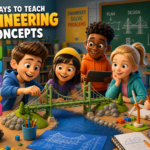
Engineering challenges are a fantastic way to engage kids in problem-solving. One easy challenge is building a bridge using only straws and tape. Provide your child with a set number of straws and a roll of tape. Ask them to design a bridge that can hold a toy car. This task encourages creativity and critical thinking.
Steps to Follow
Start by sketching a design together. Discuss different shapes and structures that are strong. Then, gather the materials and build the bridge. Once built, test it by placing a toy car on top. If it collapses, discuss what went wrong and how to improve the design. This iterative process is key in engineering.
3. Fun Math Games
Math can be fun and engaging with the right activities. Try creating a scavenger hunt that involves numbers. Write down clues that lead to different objects around the house. Each object can have a number associated with it. For example, find three red items, or two round objects. This helps kids practice counting and number recognition.
Creating the Hunt
Prepare a list of clues and hide them around the house. Make sure to use different levels of difficulty based on your child’s age. You can also include simple math problems that must be solved to find the next clue. This activity combines movement with learning, making it more enjoyable.
4. Technology Exploration
Technology is a big part of our lives today. One fun activity is to explore coding through games. Websites like Scratch allow kids to create their own animations and stories. This introduces them to basic coding concepts in a playful way. Coding can be a great skill for kids to learn in 2026.
Getting Started with Coding
Help your child set up a free account on Scratch. Start with simple tutorials available on the site. Encourage them to create a short animation. Ask guiding questions like, “What story do you want to tell?” This encourages creativity while teaching valuable tech skills.
5. Arts and Crafts with a Twist
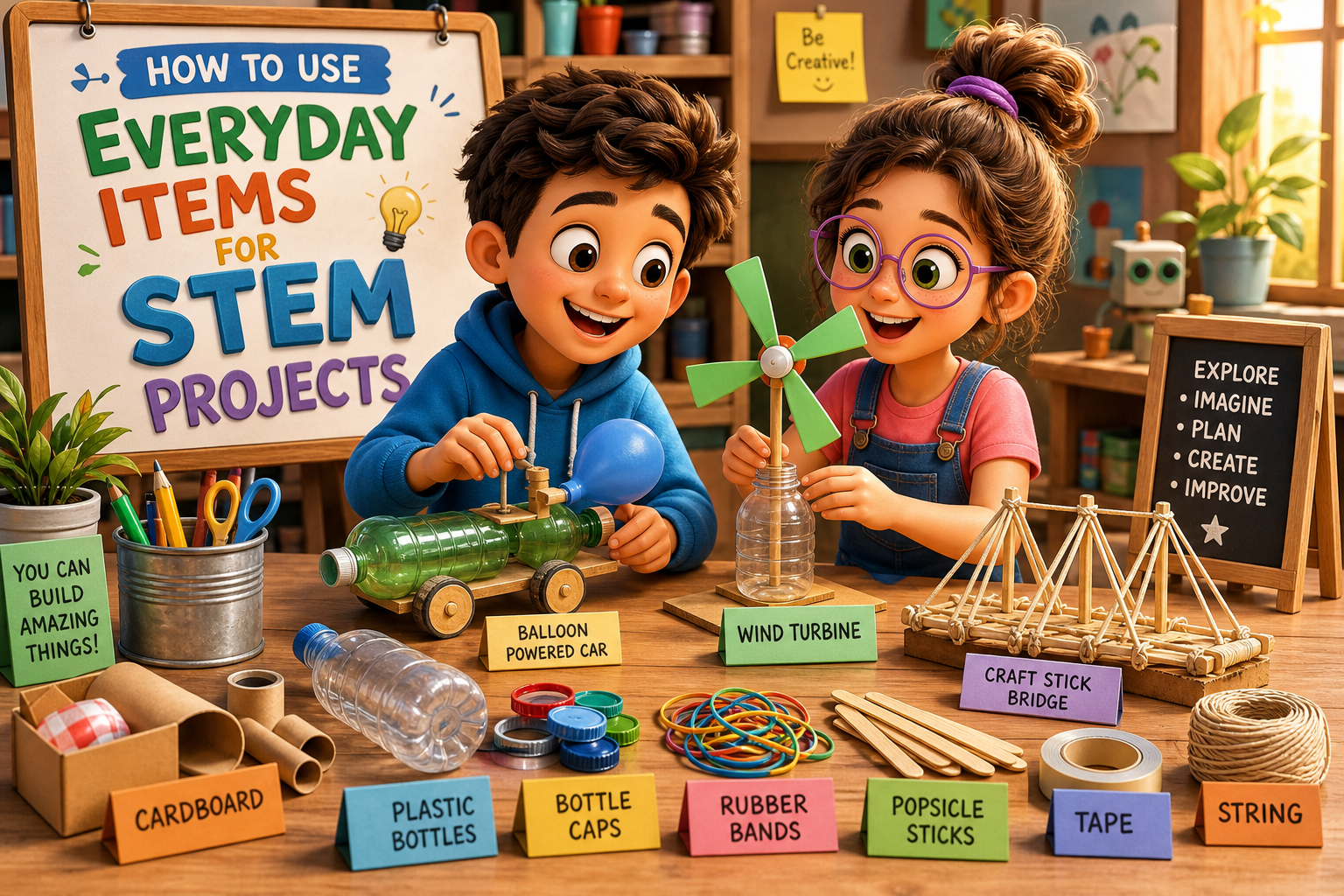
Art and crafts can also be combined with STEM. Create a project where kids design a new invention. Provide materials like cardboard, scissors, and markers. Ask them to think of a problem and design a solution. For example, they could create a device that helps organize toys.
Encouraging Creativity
Encourage your child to think outside the box. Ask them questions like, “What does your invention do?” or “Who will use it?” This not only promotes creativity but also teaches them to think about user needs and functionality in design.
6. Nature Science Activities
Nature provides endless opportunities for STEM learning. One easy activity is to create a simple garden. Kids can learn about plant biology, growth, and the environment. All you need is some soil, seeds, and a container. Choose fast-growing plants like beans or herbs for quicker results.
Steps to Start a Garden
Begin by discussing what plants need to grow. Show your child how to plant the seeds and care for them. Track the growth over time with a journal. This can include drawings and notes about changes they observe. It teaches patience and responsibility while exploring biology.
7. Physics with Everyday Objects
Physics can be explored using everyday items. One fun project is to build a simple catapult using a spoon and a plastic cup. This activity teaches concepts like force and motion. Start by securing the spoon to the cup with tape. Use small objects like marshmallows as projectiles.
Conducting the Experiment
Show your child how to pull back the spoon and release it to launch the marshmallow. Measure how far it goes and discuss why it travels that distance. You can change the angle or force and observe the differences. This hands-on experience makes physics tangible.
8. Cooking and Chemistry
Cooking is a fantastic way to explore chemistry. Choose a simple recipe to make together, like cookies. Discuss the role of each ingredient and how they interact during baking. For instance, what happens when you mix baking soda with vinegar? It’s a tasty way to learn!
Cooking as a Learning Tool
While cooking, ask your child questions about measurements. Explain why accuracy in measuring can affect the outcome. After cooking, enjoy tasting the results together. This shows that science can be delicious and fun, making learning enjoyable.
9. Exploring the Universe
Space is a fascinating topic for kids. To explore this, create a simple solar system model. Use balls of different sizes to represent planets. This activity teaches about the solar system’s structure and sizes of planets in relation to each other.
Building the Model
Gather materials such as balls, paints, or even fruits. Discuss the order of planets from the sun and their unique features. Painting the balls can make it more engaging. This activity combines creativity with scientific learning about astronomy.
10. DIY Robotics
Robotics can be an exciting field for kids. Start with simple robot kits available in stores. These kits often come with detailed instructions. Assembling a small robot helps kids understand how machines work. It also introduces basic engineering concepts.
Steps to Build a Robot
Choose a beginner-friendly kit. Follow the instructions together, encouraging your child to ask questions. Once built, experiment with how it moves. Challenge them to make it perform specific tasks. This hands-on activity fosters creativity and problem-solving skills.
11. Final Thoughts on STEM Learning at Home
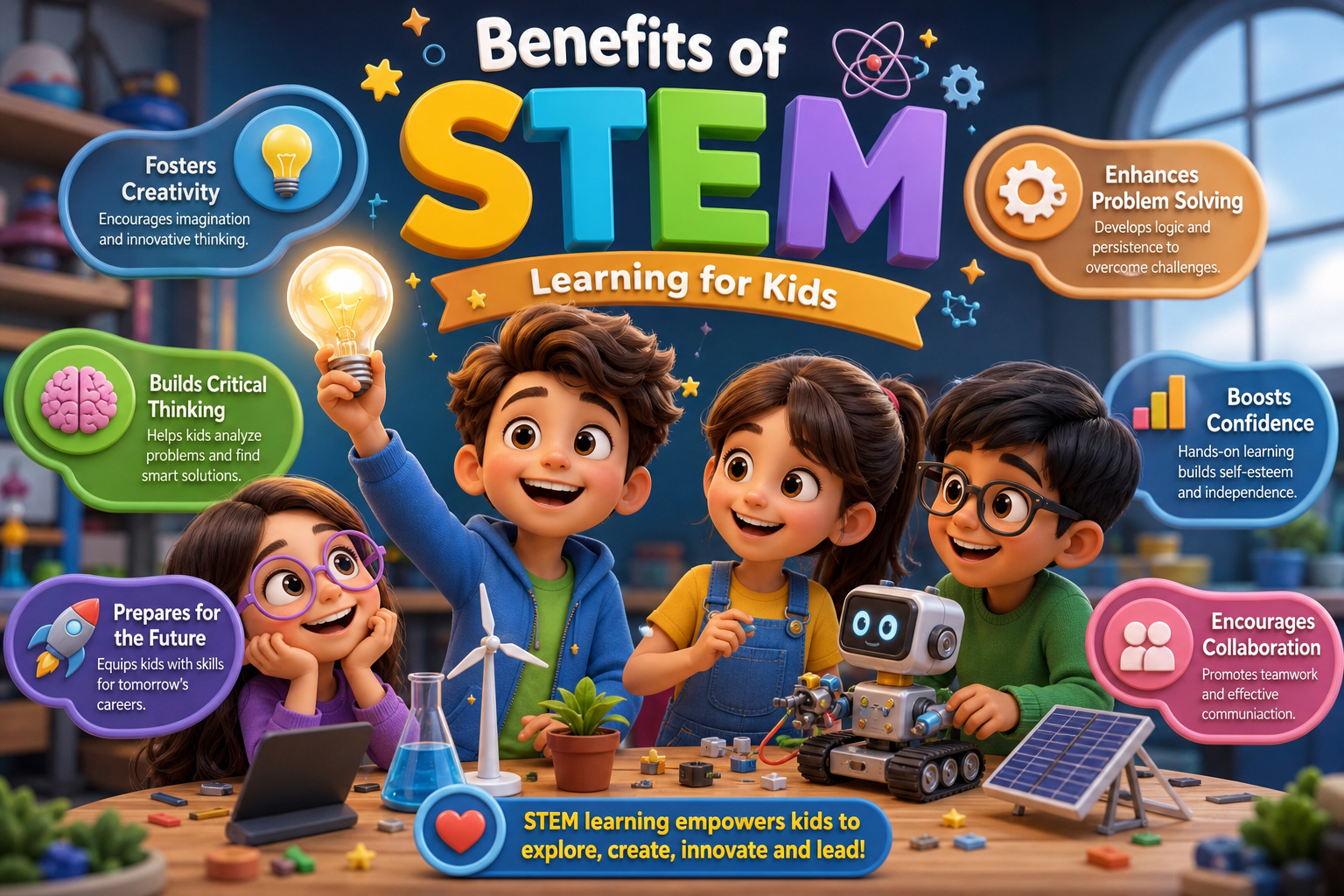
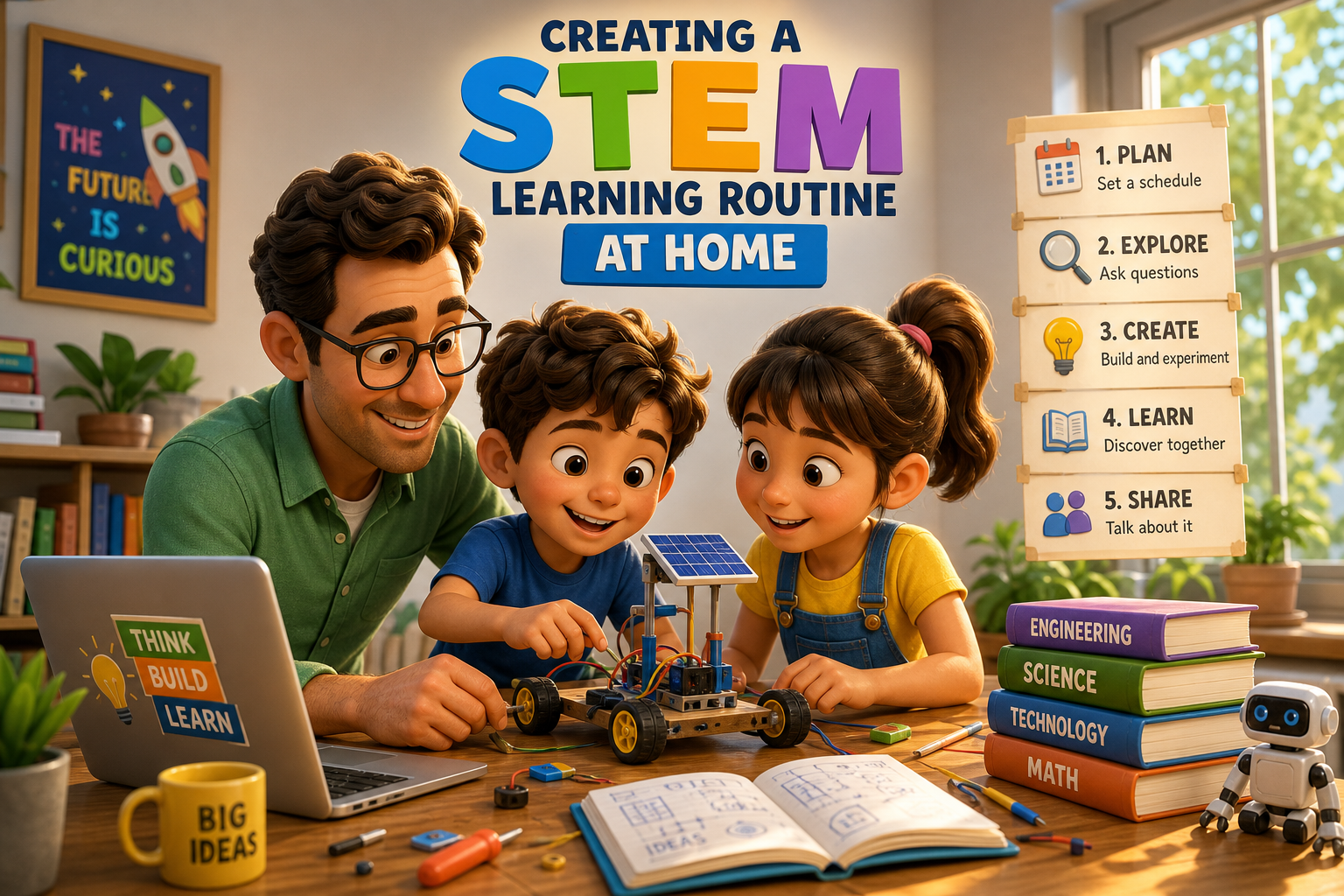
STEM activities for kids can be both fun and educational. They encourage creativity, critical thinking, and problem-solving. The activities mentioned in this article are easy to set up and require common household items. In 2026, engaging kids in STEM is more important than ever, as these skills are vital for their future. By integrating these activities into your routine, you can foster a love for learning and exploration in your children. Remember, the goal is to make learning enjoyable while equipping them with essential skills for tomorrow.