


Introduction to STEM Projects for Kids
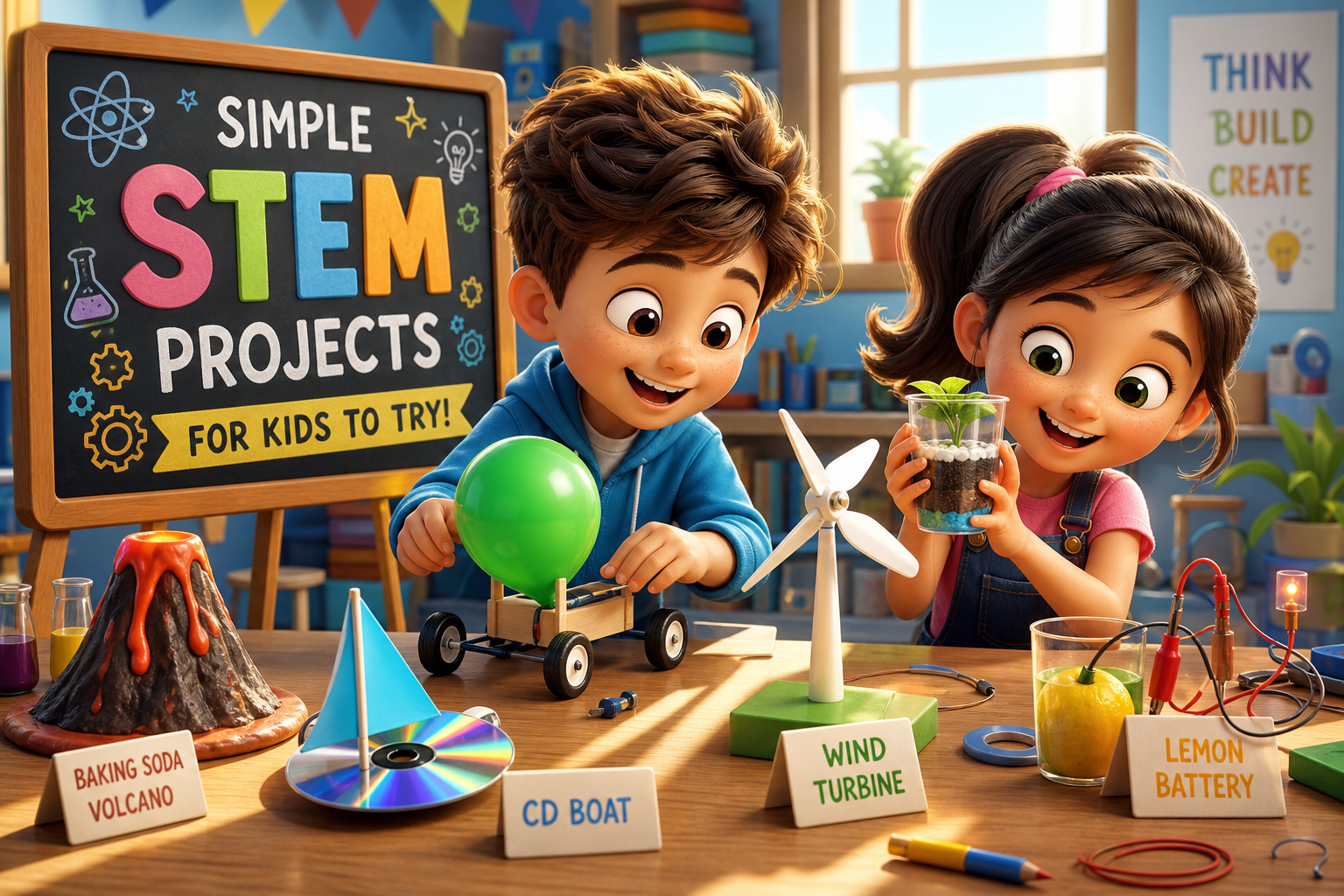
STEM projects for kids are a fantastic way to combine learning with fun. They help children understand science, technology, engineering, and math concepts through hands-on activities. In 2026, educators and parents increasingly recognize the importance of these skills. Engaging in STEM projects encourages critical thinking, problem-solving, and creativity. Kids can learn how to ask questions, test ideas, and find solutions. It is essential for their development in today’s fast-paced world. This guide will explore several simple yet exciting STEM projects that kids can try at home or in a classroom setting.
1. Building a Simple Volcano
This classic experiment is a favorite among kids. It’s fun and teaches them about chemical reactions. To create a volcano, you will need baking soda, vinegar, food coloring, and a small container. Start by molding clay or Play-Doh around the container to create a volcano shape. Once the volcano is ready, pour baking soda into the container. Add a few drops of food coloring to the vinegar, then pour the vinegar into the container with baking soda. Kids will watch as the mixture bubbles and erupts like a real volcano. This project illustrates how gases are produced during chemical reactions.
Tips for Success
Ensure to conduct this experiment outside or in a place that can be easily cleaned up, as it can get messy. Use a larger container if you want a bigger eruption. Kids can also research different volcano types to enhance their learning experience.
2. Creating a Homemade Weather Station
Building a weather station is an engaging way to teach kids about weather patterns and meteorology. For this project, gather materials such as a thermometer, rain gauge (a plastic bottle with the top cut off), and a wind vane (made from cardboard). Kids can set up their weather station outside and observe daily weather changes. They can record temperature, rainfall, and wind direction over a week. This project helps kids understand how meteorologists collect data to forecast the weather.
Practical Example
Encourage kids to create a chart to track their findings. They can use this data to discuss patterns, such as, “What type of weather occurs most often in October?” This encourages discussion and critical thinking.
3. Launching a Homemade Rocket
Kids love rockets, and making one from simple materials is exciting and educational. To make a rocket, use a plastic bottle, vinegar, and baking soda. First, fill the bottle a quarter full with vinegar. Next, wrap baking soda in a small piece of tissue paper and insert it into the bottle without letting it mix with the vinegar yet. When ready, quickly seal the bottle with a cork or a tightly fitted cap. Once the baking soda mixes with vinegar, the pressure will build up, and the rocket will launch. This project teaches kids about propulsion and chemical reactions.
Safety Precautions
Make sure to conduct this experiment in an open space away from people and fragile objects. Always wear safety goggles to protect eyes during the launch. Kids should learn about safety while having fun.
4. Exploring the Power of Magnets
Magnets are fascinating, and exploring their properties is an excellent STEM project. Gather different magnets, paper clips, and various household materials like cardboard, plastic, and metal. Kids can test which materials are magnetic by moving magnets over them. They can create a simple chart to keep track of their findings. This project helps children understand magnetic forces and how they work.
Additional Activities
To make it more interesting, kids can build a simple magnetic game. For example, make a fishing game where they use a magnet to pick up paper fish with paper clips attached. This activity combines play with learning.
5. Constructing a Simple Circuit
Building a simple circuit is a great introduction to electricity. Kids can learn how circuits work using a battery, wires, and a small light bulb. Start by connecting the wires from the battery to the light bulb. Kids will see how the light turns on when the circuit is complete. This project illustrates the basics of electrical engineering and how energy flows.
Experimenting with Circuits
Encourage kids to experiment by adding more bulbs or switches to their circuit. They can learn about series and parallel circuits and understand the differences between them. This hands-on approach helps solidify their understanding of electrical concepts.
6. Making a DIY Solar Oven
Creating a solar oven is a fun way to teach kids about renewable energy. To make one, gather a pizza box, aluminum foil, plastic wrap, and black paper. Cut a flap in the lid of the box and line it with aluminum foil to reflect sunlight. Place black paper at the bottom of the box to absorb heat. Cover the opening with plastic wrap to trap heat inside. Place food items like s’mores or nachos inside and put the box in direct sunlight. Kids will see how solar energy can be used for cooking.
Learning Outcomes
This project teaches kids about the sun’s energy and its benefits. Discuss with them how solar ovens can help conserve energy and reduce reliance on fossil fuels. This reinforces their understanding of sustainability and environmental science.
7. Exploring Plant Growth with a Simple Experiment
Kids can learn about biology and growth by conducting a simple plant experiment. Use seeds, soil, and cups to plant seeds. Create two groups: one that receives sunlight and one that is kept in the dark. Over a few weeks, kids can observe the growth differences. This project teaches children about photosynthesis and the needs of plants.
Documenting Growth
Encourage kids to keep a journal of their observations, noting the height of the plants and any changes. They can draw pictures of their plants at different stages. This practice enhances their observational skills and helps them learn about scientific methods.
8. Creating Simple Art with Science
Art and science can go hand in hand. Kids can create art using chemistry by making homemade pH indicators. Gather materials like cabbage, water, and baking soda. Boil the cabbage in water to extract the color and create a natural pH indicator. Kids can then test various liquids, like lemon juice or baking soda solution, to see how the colors change. This project combines art and science, showing kids the beauty of chemical reactions.
Encouraging Creativity
After testing, kids can use the pH indicator to create colorful art pieces. They can paint with it on paper and explore how colors change with different pH levels. This project encourages creativity while teaching scientific concepts.
9. Building a Bird Feeder
Making a bird feeder is an excellent STEM project that combines engineering and biology. Kids can use materials like pine cones, peanut butter, and birdseed. Start by spreading peanut butter over the pine cone and rolling it in birdseed. Then, hang the feeder outside. Children can observe the birds that come to visit, learning about local wildlife and ecosystems.
Understanding Ecosystems
Discuss the different types of birds that may visit the feeder. Encourage kids to research and identify the birds they see. This project fosters an appreciation for nature and helps kids understand the importance of wildlife in our ecosystems.
10. Exploring Sound with Homemade Instruments
Kids can learn about sound waves by creating their musical instruments. Using materials like rubber bands, cardboard boxes, and bottles, they can make guitars, drums, or flutes. For example, stretch rubber bands over a cardboard box to create a simple guitar. Kids can pluck the bands to produce sound, learning about pitch and vibration.
Experimenting with Sounds
Encourage kids to explore how changing the tension or length of the rubber bands alters the sound. This activity teaches concepts of sound waves while allowing kids to express their creativity through music.
11. Final Thoughts on STEM Projects for Kids
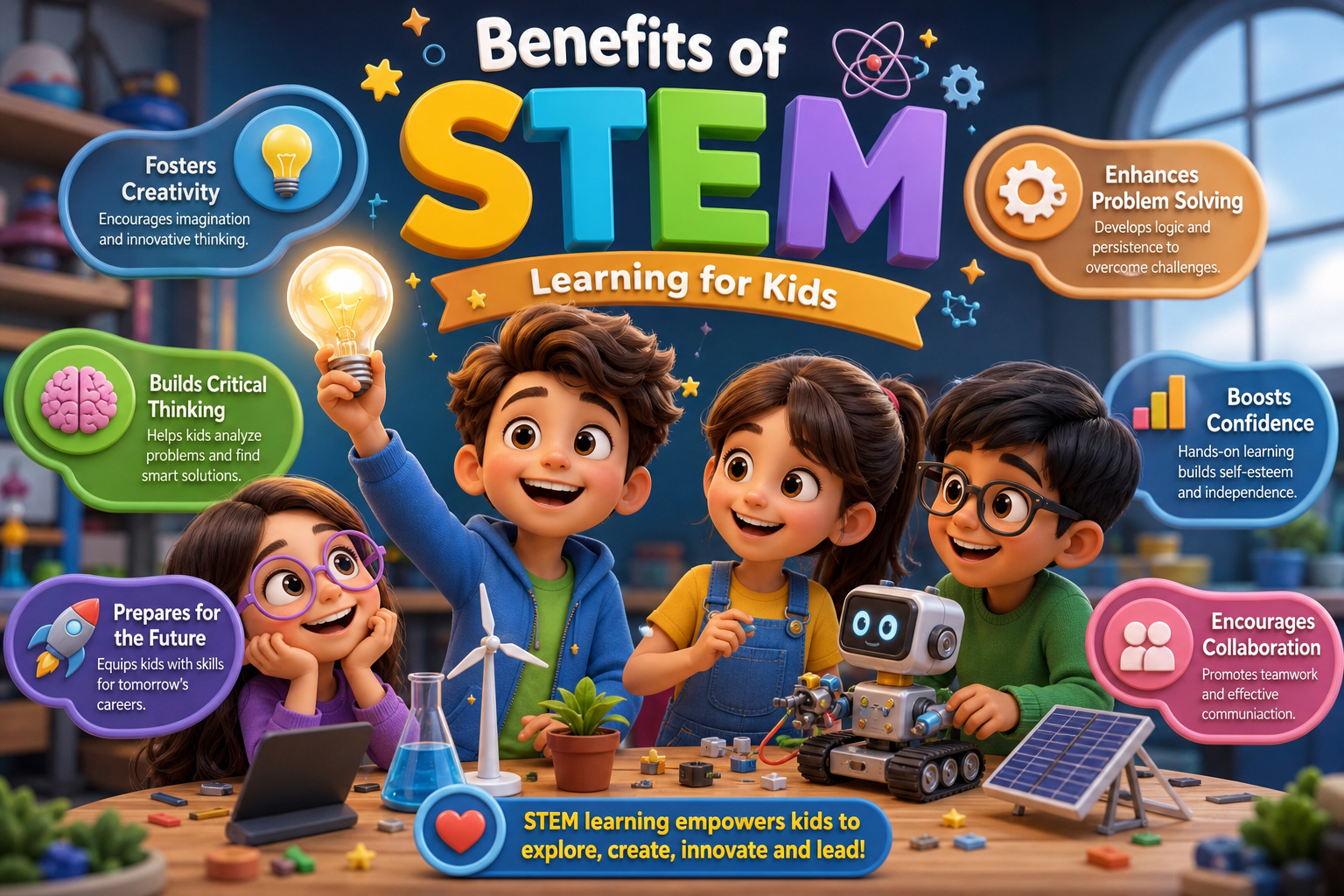
Engaging in STEM projects for kids is not just about fun; it is about learning and growing. These projects help foster essential skills such as critical thinking, creativity, and problem-solving. Encourage children to explore and experiment, allowing them to learn at their own pace. As they engage with these activities, they will develop a deeper understanding of the world around them. By introducing these simple STEM projects, you are helping to inspire the next generation of scientists, engineers, and innovators. Remember, the key is to have fun while learning!