



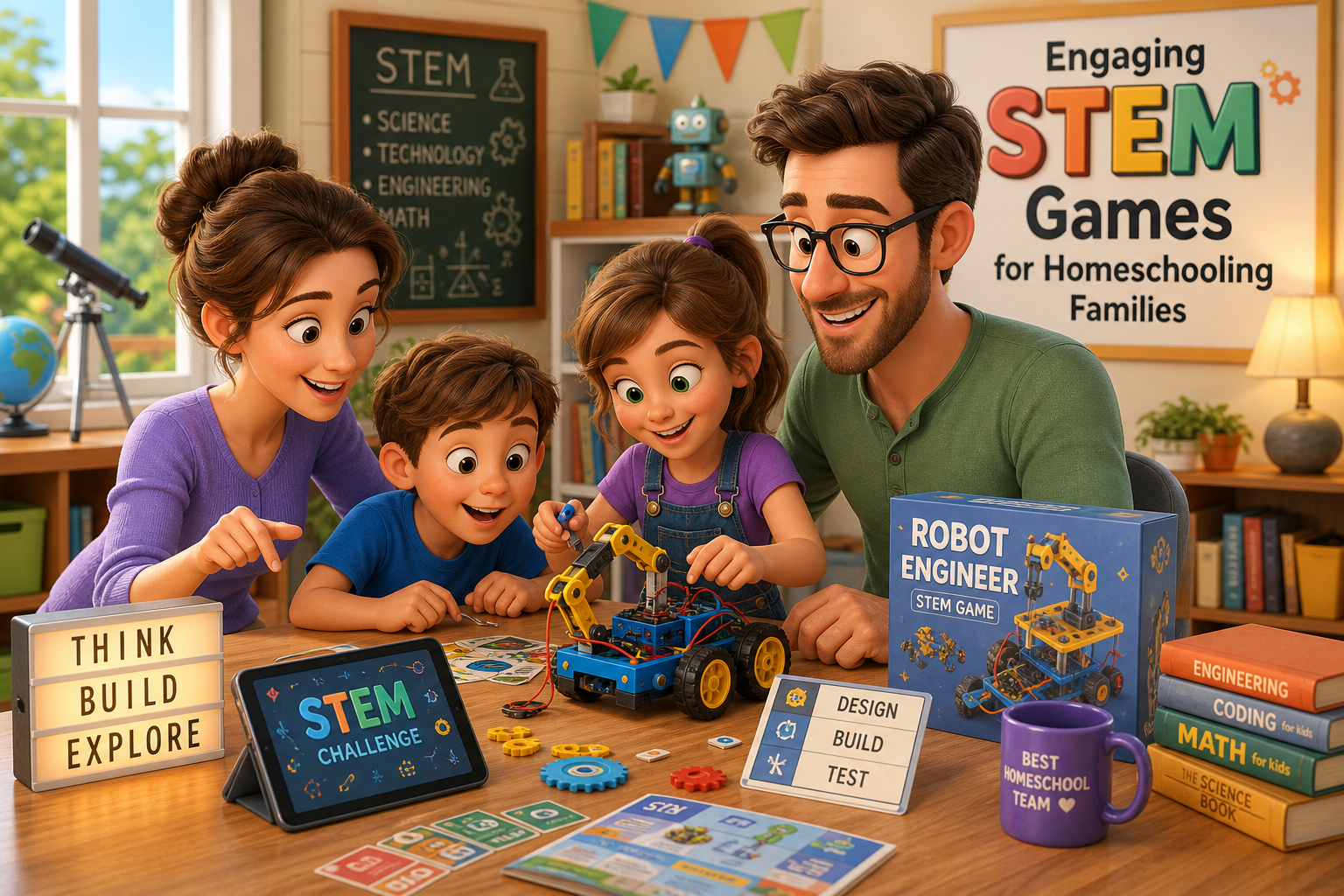
Introduction to STEM Games
In today’s fast-paced world, STEM games have become a vital tool for homeschooling families. These games focus on Science, Technology, Engineering, and Mathematics. They provide fun and interactive ways for children to learn essential skills. STEM games encourage curiosity and critical thinking. They help children understand complex concepts through play. In 2026, many families are looking for ways to make learning engaging. This article explores various STEM games that cater to different age groups and interests.
Why Choose STEM Games for Homeschooling?
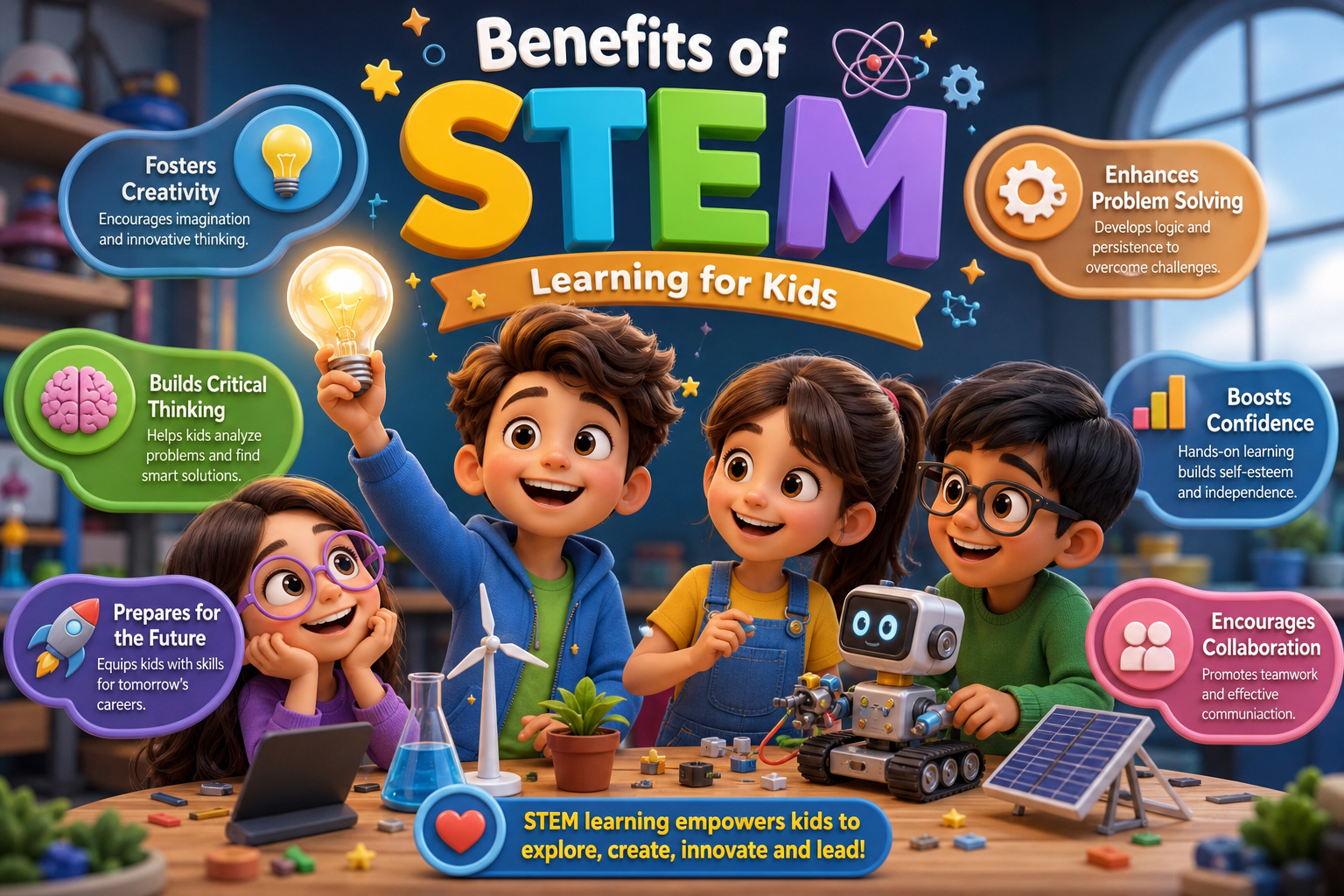
STEM games offer unique benefits that traditional learning methods may not provide. They promote hands-on experiences, allowing children to experiment and explore. For instance, playing with building blocks can teach engineering principles. Children learn how to balance structures and understand gravity. Furthermore, these games enhance problem-solving skills. When kids face challenges in a game, they must think critically to overcome them. This approach builds confidence and resilience.
Moreover, STEM games can be easily integrated into daily homeschooling routines. They can complement lessons in math or science. Because they are enjoyable, children are more likely to stay engaged. This keeps learning exciting and helps retain information better. In short, STEM games are an essential part of modern homeschooling.
Types of STEM Games to Explore
STEM games come in various forms, catering to different learning styles and preferences. Board games, online games, and physical kits are popular options. Each type has its unique advantages. For example, board games like “Robot Turtles” teach programming logic in a fun way. These games often encourage group play, promoting social skills.
Online games, such as “Minecraft: Education Edition,” provide immersive experiences. Players can build structures and solve problems in a virtual world. This type of gameplay enhances creativity and collaboration. Lastly, physical kits like LEGO robotics offer hands-on learning. Kids can build robots and program them, giving practical insights into engineering.
Top STEM Games for Young Learners
For younger children, hands-on activities are important. Games like “Zingo” and “The Sneaky, Snacky Squirrel Game” develop basic math and literacy skills. These games are colorful and engaging, making learning fun. Another excellent choice is “Gravity Maze.” This game combines logic and spatial reasoning, allowing kids to create mazes for marbles to manage.
Additionally, “Osmo Genius Starter Kit” is an interactive game that blends physical play with digital learning. Children can engage in math games while using physical pieces, providing a tactile experience. These games not only teach STEM concepts but also foster creativity and critical thinking.
STEM Games for Middle Schoolers
As children grow, their interests and skills evolve. Middle schoolers often enjoy more complex games that challenge their abilities. “RoboRally” is a fantastic game for teaching programming concepts. Players program their robots to manage a maze, learning sequencing and logic in the process.
Another excellent choice is “CodeCombat.” This online game teaches real coding skills through gameplay. Kids learn programming languages while solving puzzles. This way, they grasp fundamental concepts while having fun. Furthermore, “ThinkFun’s Gravity Maze” is also suitable for this age group. It combines logic puzzles with engineering challenges, keeping students engaged and thinking critically.
STEM Games for High School Students
High school students require more advanced games to keep them interested. “Kerbal Space Program” offers a unique experience in aerospace engineering. Players design and launch their spacecraft, learning about physics and aerodynamics. This game is not only fun but also educational, giving insights into real-world science.
“Foldit” is another intriguing game that allows players to solve protein-folding puzzles. This game contributes to real scientific research. It teaches biology concepts while making players feel like they are part of a genuine scientific endeavor. Engaging high schoolers in such complex topics can spark interest in pursuing STEM careers.
Incorporating STEM Games into Daily Routine
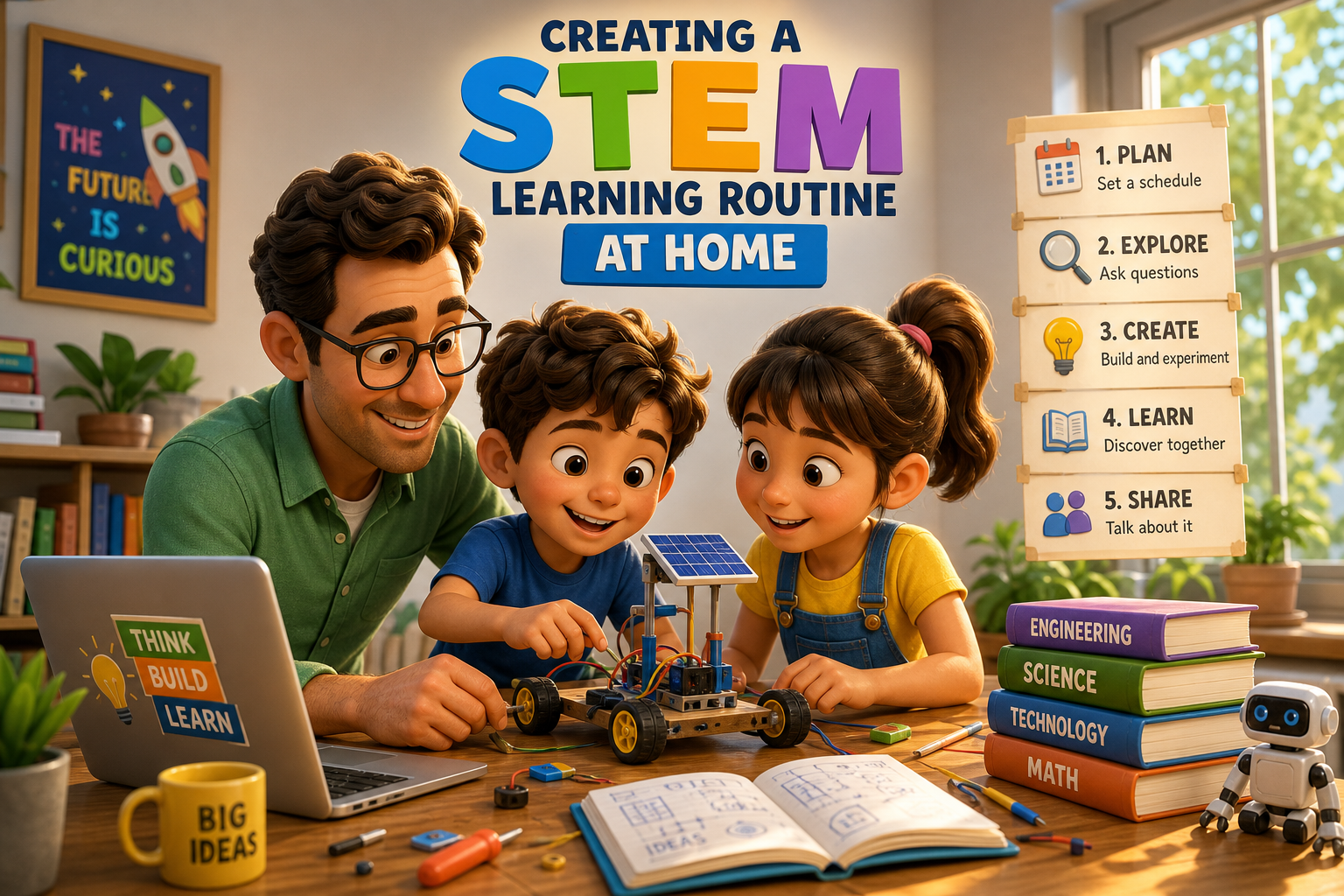
Incorporating STEM games into a daily routine can be simple and effective. Start by setting aside specific times during the week for game-based learning. This might be a dedicated hour on Fridays for STEM games. This structure helps children anticipate and look forward to these learning sessions.
Additionally, parents can integrate STEM games into regular subjects. For example, if studying physics, playing games that involve motion, like “Angry Birds,” can illustrate concepts of trajectory and force. This integration makes learning seamless and enjoyable. Encourage children to discuss what they learned after playing. This discussion reinforces concepts and enhances understanding.
Resources for Finding STEM Games
Finding the right STEM games can feel overwhelming. However, various resources can help families choose suitable options. Websites like “Common Sense Education” provide reviews and recommendations for educational games. They categorize games based on age and subject, making it easier to find what fits your needs.
Additionally, online marketplaces such as Amazon often feature user reviews. Reading what other parents and children think can provide valuable insights. Local libraries also might have STEM games available for borrowing. This way, families can try games before purchasing them. Many educational stores also offer workshops or demos, allowing families to experience games firsthand.
Conclusion: The Future of Learning with STEM Games
STEM games are an exciting and effective way for homeschooling families to foster learning. They provide interactive experiences that stimulate curiosity and critical thinking. As we move further into 2026, the importance of integrating technology into education continues to grow. Families that embrace STEM games will equip their children with essential skills for the future.
By exploring various types of games and resources, parents can create engaging learning environments. The benefits of teaching through play are immense. As children learn through STEM games, they develop a lifelong love for learning. This love will serve them well as they pursue their educational and career goals.