




Introduction to STEM Projects
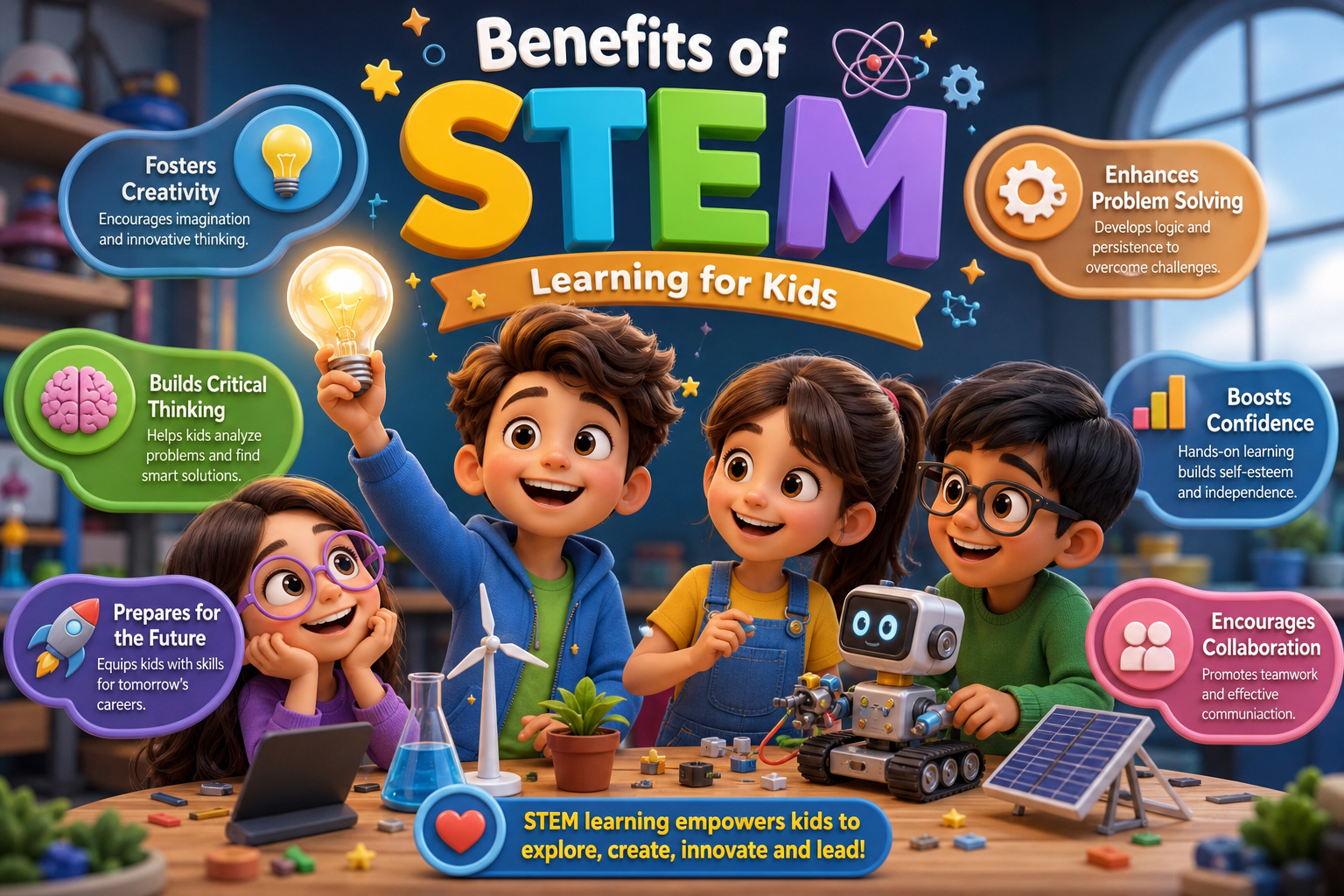
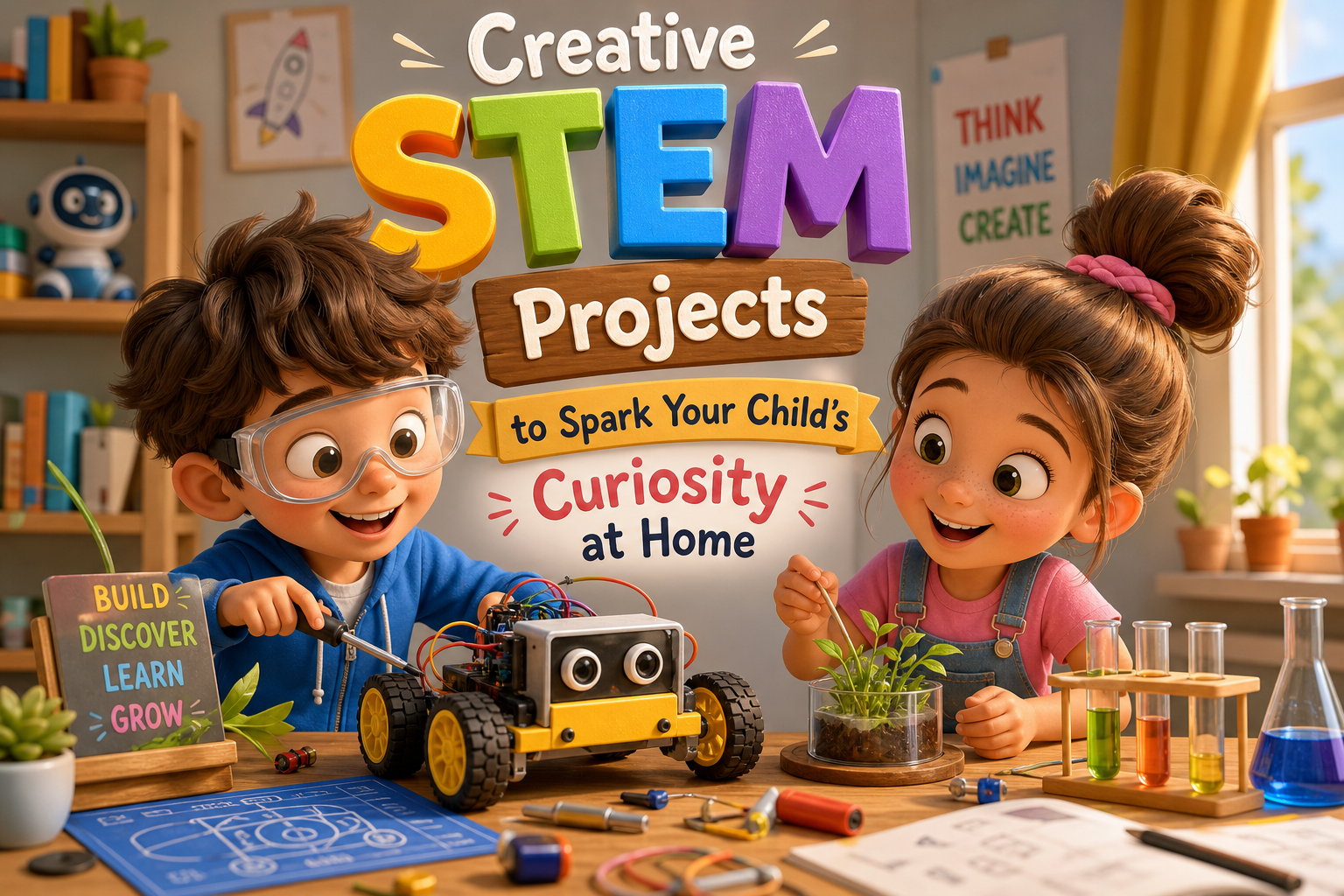
STEM projects offer a great way to spark curiosity in children. They blend science, technology, engineering, and mathematics in fun and engaging ways. In 2026, more parents and educators recognize the importance of these subjects. They are important for children’s development as they encourage problem-solving and critical thinking. These skills will be essential in their future careers. Moreover, STEM projects can be done at home with simple materials.
Engaging in STEM activities can ignite a passion for learning and exploration. Children will learn more about the world around them. They will also develop essential skills for the future. This article will explore creative STEM projects that you can try at home. Each project is designed to be fun and educational, perfect for curious minds. Let’s dive into these exciting activities!
1. Building a Simple Circuit
Building a simple circuit is an excellent introduction to electrical engineering. This project will teach children about electricity and how circuits work. To create a basic circuit, you will need a battery, some wires, and a small light bulb or LED. Start by connecting the battery to the light bulb with the wires. Ensure that the connections are secure. When connected correctly, the light should turn on, demonstrating a completed circuit.
For a more advanced version, challenge your child to create a circuit that includes a switch. This will enhance their understanding of how circuits function. You can find various tutorials online to guide you through this process step by step. This project not only fascinates but also allows children to experiment and discover how electricity powers devices.
2. Homemade Volcano Experiment
The homemade volcano experiment is a classic science project that never gets old. Children love the excitement of watching their volcano erupt. To create this project, you need baking soda, vinegar, food coloring, and a container. First, shape a mound of clay or playdough around the container to resemble a volcano. Once the volcano is ready, add baking soda to the container. Then, pour in vinegar mixed with food coloring to create an eruption.
This project teaches children about chemical reactions in a fun way. You can discuss the science behind the reaction while watching the colorful eruption. To extend the activity, invite your child to modify the recipe. They can try different amounts of baking soda and vinegar to see how it affects the eruption. This way, they learn about experimentation and observation, which are vital skills in science.
3. DIY Solar Oven
Creating a DIY solar oven is a fantastic way to explore renewable energy. This project is simple and perfect for sunny days. To make a solar oven, you will need a pizza box, aluminum foil, plastic wrap, and black construction paper. Start by cutting a flap in the lid of the pizza box. Line the inside of the flap with aluminum foil to reflect sunlight. Place black paper at the bottom of the box, and cover the top with plastic wrap to create a greenhouse effect.
Once your solar oven is ready, place it in direct sunlight and put food items inside, like s’mores or nachos. As the sun heats the box, children will learn how solar energy can be used for cooking. This project not only teaches about renewable energy but also encourages patience and observation. Children can track the cooking process and share their delicious results.
4. Exploring Gravity with Balloon Rockets
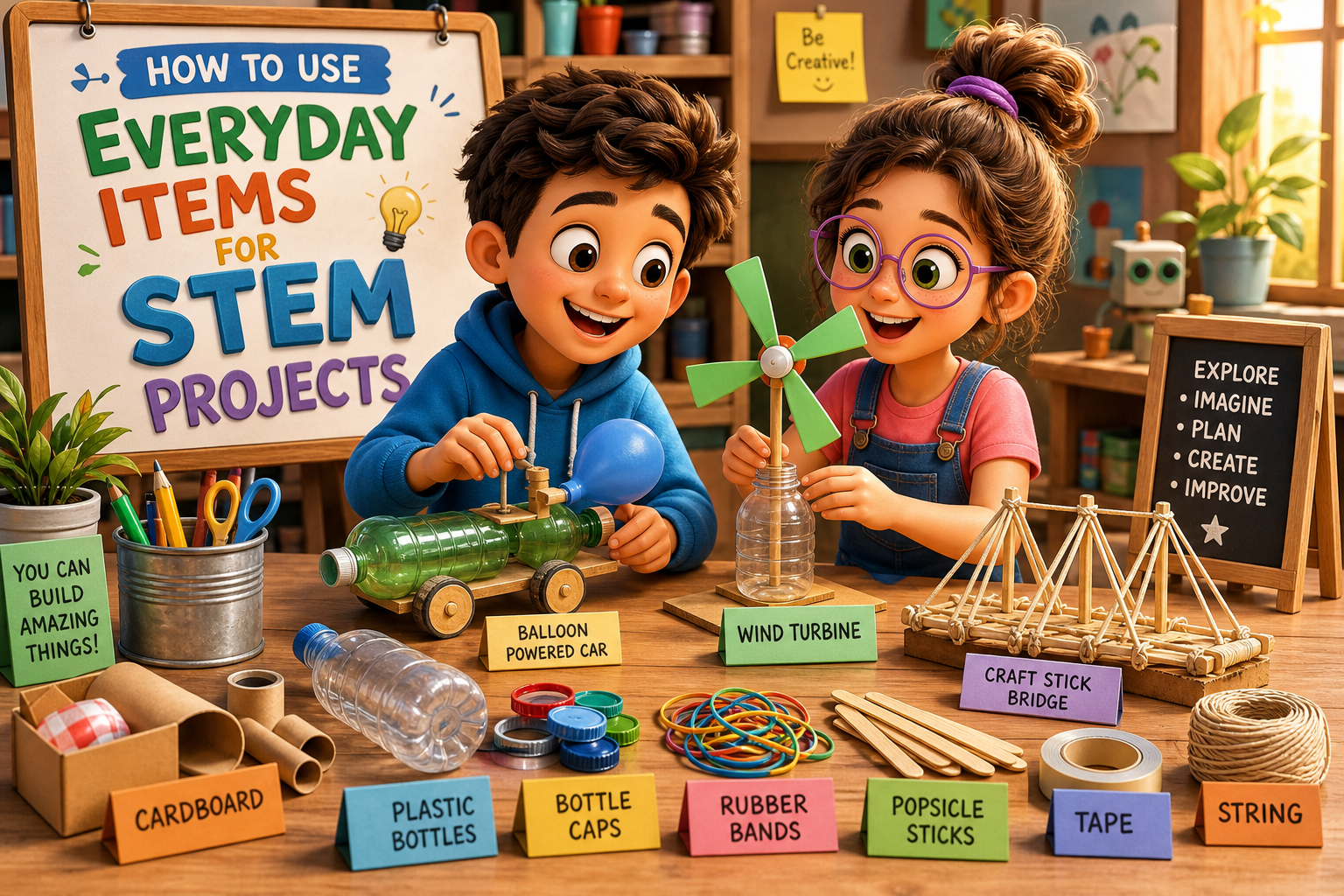
Balloon rockets are a fun way to understand the concept of gravity and propulsion. To set up this experiment, you will need balloons, string, straws, and tape. First, thread a long piece of string through a straw and tie it between two stable points. Inflate a balloon but do not tie it. Instead, tape it to the straw. When you release the balloon, it will propel itself along the string, showcasing the principles of action and reaction.
This project is not only entertaining but also educational. Discuss with your child how gravity affects the balloon’s motion. You can challenge them to measure how far the balloon travels and what affects its speed. This kind of hands-on learning helps children grasp physical science concepts while having fun.
5. Water Filtration System
A DIY water filtration system is an excellent project to introduce children to environmental science. This experiment shows how filtration works and emphasizes the importance of clean water. To create a simple water filter, you will need a plastic bottle, sand, gravel, activated charcoal, and a coffee filter. Cut the bottle in half and invert the top half into the bottom half. Layer the materials starting with gravel at the bottom, followed by sand, and then activated charcoal. Finally, place the coffee filter on top.
Pour dirty water through the filter and observe how it cleans the water. This project can lead to discussions about water pollution and conservation. Encourage children to think about ways to keep water sources clean. By engaging in this project, children learn about ecosystems and human impact on the environment, which are important topics in today’s world.
6. Coding with Scratch
Coding is an essential skill in the digital age. Scratch is a user-friendly programming platform that helps children learn coding concepts through fun projects. To get started, visit the Scratch website and create an account. Children can choose to create animations, games, or interactive stories using blocks of code. This visual approach makes coding accessible and enjoyable for young learners.
Encourage your child to start with a simple project, like making a character move across the screen. As they become more comfortable, they can explore creating more complex programs. Scratch also has a supportive community where users can share their projects and gain inspiration. By engaging with Scratch, children develop logical thinking and creativity. These skills are vital in many career paths today.
7. Constructing a Birdhouse
Building a birdhouse combines creativity with hands-on skills. This project allows children to learn about wildlife and the importance of habitats. You will need wood pieces, nails or screws, wood glue, and paint. Start by creating a simple design for the birdhouse. Children can help measure and cut the wood with supervision. Assembling the birdhouse teaches basic woodworking skills.
After building, let your child paint and decorate the birdhouse to make it unique. Place it in your yard or balcony and observe the birds that come. This project fosters a connection with nature and encourages children to care for their environment. You can discuss different bird species and their habitats, enhancing their knowledge about wildlife conservation.
8. Creating a Mini Greenhouse
A mini greenhouse project is a perfect way to teach children about plant biology and ecology. To create one, you will need a clear plastic container or a large jar. Fill it with soil and plant seeds of your choice. Cover the container with the lid to create a greenhouse effect. Place the greenhouse in a sunny spot and observe how the plants grow.
This project teaches children about the plant life cycle and the conditions needed for plants to thrive. Encourage them to keep a journal to track their plants’ growth. They can note the changes they observe, which enhances their observation skills. This activity is not only educational but also fosters a love for gardening and nature.
Engaging in creative STEM projects at home is a wonderful way to spark your child’s curiosity. Each project provides a unique opportunity to learn while having fun. From building circuits to creating birdhouses, these activities foster essential skills that will benefit children in the future. Encouraging exploration and experimentation at home can instill a lifelong passion for learning.
Remember, the key to these projects is to make them enjoyable and educational. Adapt the projects to your child’s interests and encourage them to ask questions. As they explore these STEM activities, they will gain confidence in their abilities and develop a deeper understanding of the world around them. Happy experimenting!