



Introduction to Technology Education
Teaching technology to kids is essential in today’s digital age. Children are surrounded by gadgets, apps, and online platforms. Understanding technology helps them manage the world efficiently. Technology education prepares kids for future careers. It also enhances their problem-solving skills. By teaching them how to use devices, parents can foster curiosity and creativity. This article will explore various strategies and tips to effectively teach technology to kids. We will cover practical methods, resources, and activities to engage children in learning about technology.
Understanding the Importance of Technology Skills
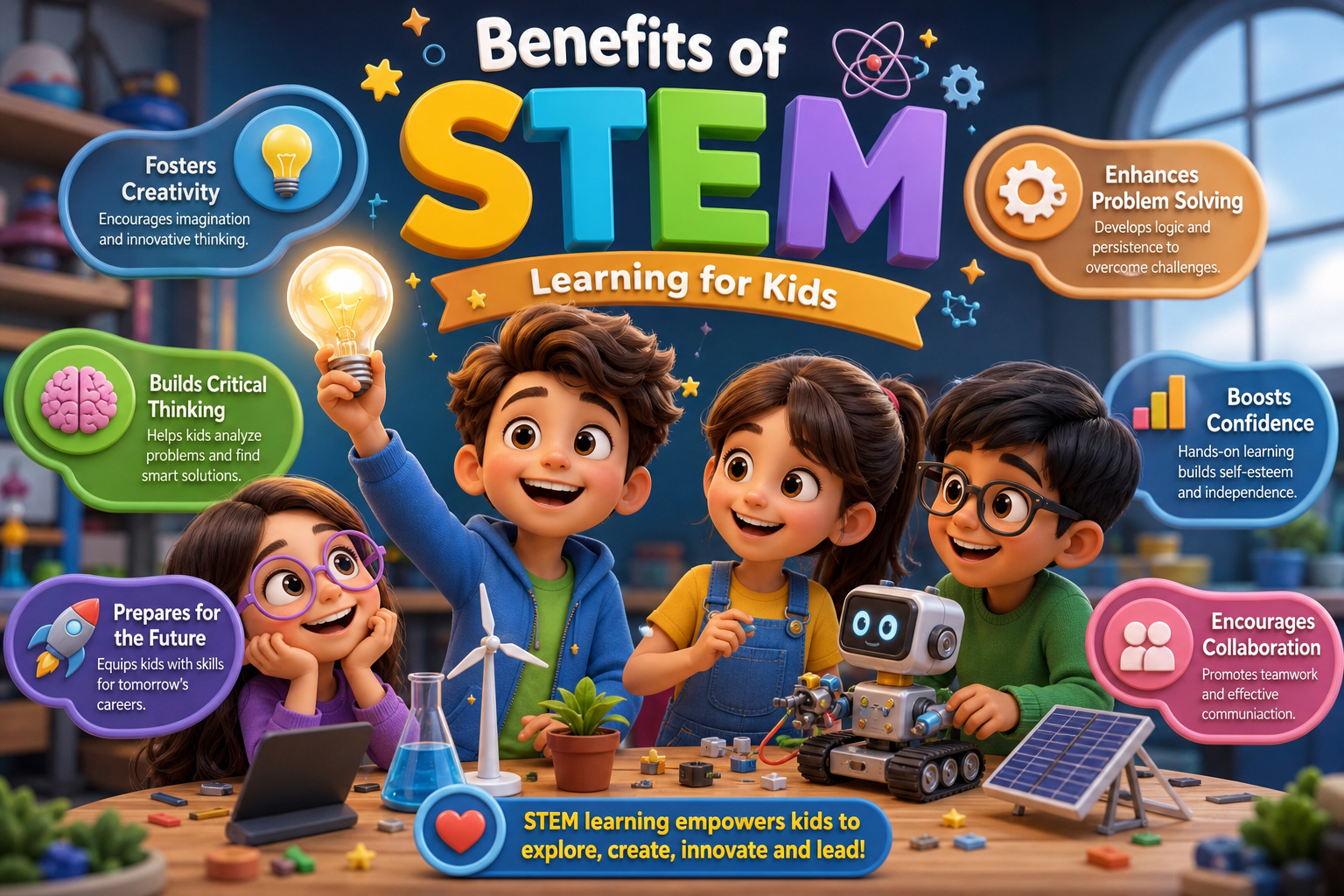
In 2026, technology skills are not optional. They are vital for success in education and future employment. Many jobs require basic tech knowledge. Kids with strong technology skills can easily adapt to new tools. They also gain confidence in their abilities. Teaching these skills early builds a solid foundation. It prepares them for challenges in higher education. Additionally, tech skills encourage critical thinking. Kids learn to analyze problems and find solutions using technology. This prepares them to tackle real-world issues. Thus, understanding the importance of technology skills is the first step in teaching kids.
Start with the Basics
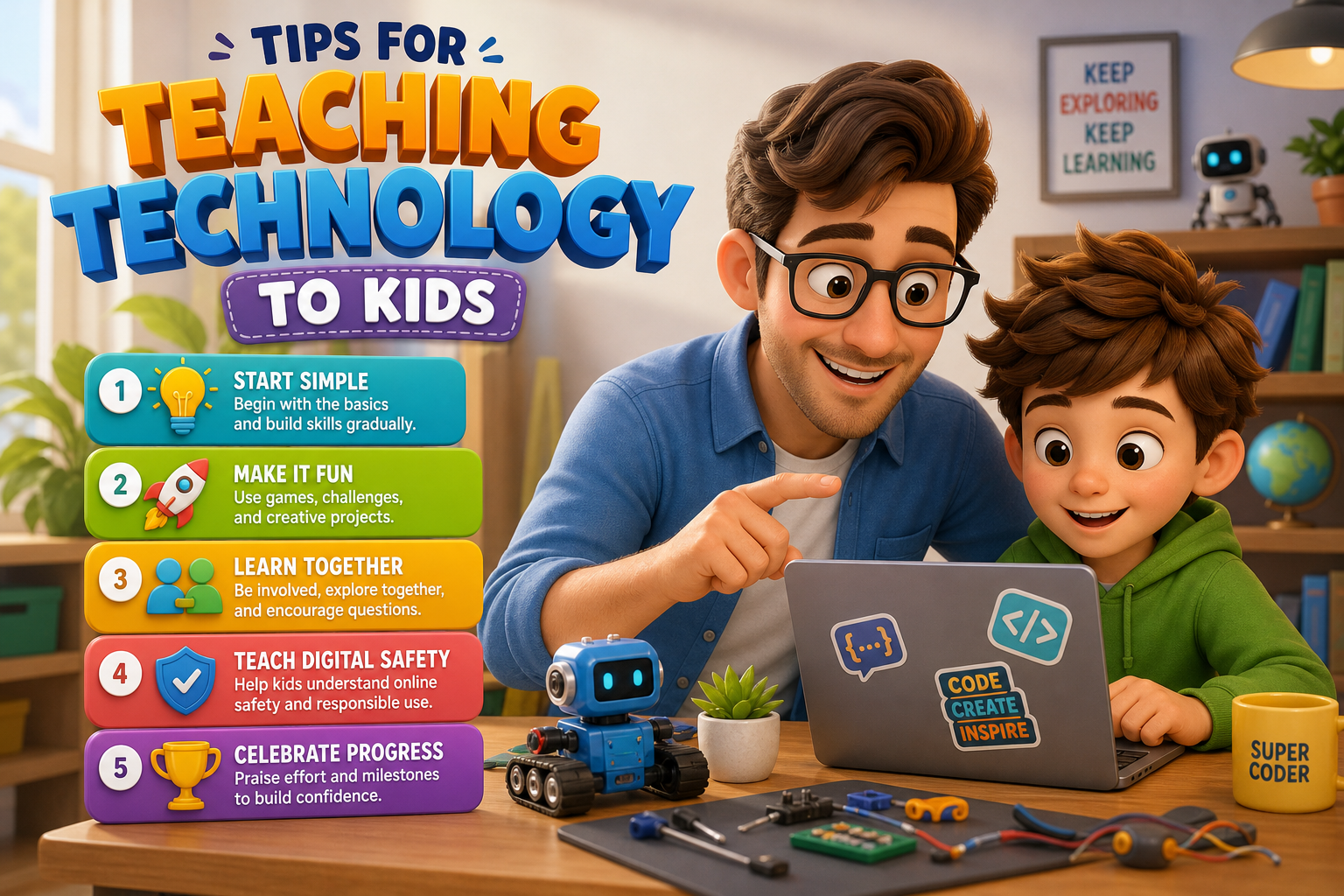
When teaching technology, begin with the basics. Introduce children to fundamental concepts first. Explain how devices work, like computers and tablets. Teach them about the internet and online safety. Use simple language to ensure they understand. For example, explain what a browser does and how to search for information. Show them how to use common applications, such as word processors and presentation software. Hands-on practice is important. Let them explore these tools in a safe environment. By mastering the basics, kids will gain confidence to learn more advanced topics later.
Incorporate Fun Learning Activities
Learning technology should be enjoyable. Incorporate fun activities to keep kids engaged. Use games and interactive apps designed for education. For instance, coding games can teach programming skills while having fun. Encourage creativity by allowing kids to create their own projects. They can design a simple website or make a digital story. Group activities also promote teamwork and collaboration. Organize tech-related challenges, like building a robot or a video project. These activities stimulate interest and make learning memorable. Fun learning experiences can spark a lifelong passion for technology.
Utilize Online Resources and Tools
The internet offers a wealth of resources for teaching technology. Use educational websites that provide free tools and courses for kids. Websites like Khan Academy and Code.org offer interactive lessons. These platforms cover topics from basic coding to advanced programming. They also provide quizzes and projects to reinforce learning. YouTube features many educational channels that explain technology concepts in simple terms. Encourage kids to use these resources to explore on their own. By utilizing online resources, children can learn at their own pace and discover new interests.
Encourage Critical Thinking and Problem Solving
Teaching technology goes beyond using devices. It also involves developing critical thinking and problem-solving skills. Present kids with challenges that require them to think creatively. For example, ask them to find solutions to common issues they face with technology. This could be troubleshooting a device or finding a better way to organize information. Encourage them to work through these problems independently. Provide guidance when needed but allow them to explore solutions. This approach builds resilience and confidence in their abilities. It prepares them for real-world challenges.
Integrate Technology into Daily Life
Make technology a part of daily life. Use everyday situations to teach kids about technology. For example, during grocery shopping, show them how to use apps for budgeting. Discuss how technology impacts various fields, like medicine or transportation. Encourage them to think about how they use technology in their hobbies. If they enjoy gaming, discuss game design and development. By integrating technology into daily activities, kids understand its relevance. They learn that technology is not just for school but an important part of life.
Teach Online Safety and Digital Citizenship
Online safety is a critical aspect of teaching technology to kids. As they explore the internet, they must learn how to protect themselves. Teach them about privacy settings and the importance of not sharing personal information. Discuss the concept of digital footprints and how their online actions have consequences. Role-play different scenarios to help them respond appropriately. For instance, how to deal with cyberbullying or suspicious messages. Teaching digital citizenship ensures they become responsible internet users. This knowledge empowers them to manage the online world safely.
Foster Collaboration through Group Projects
Group projects can enhance technology learning. Encourage kids to collaborate on tech-related tasks. Working together fosters communication and teamwork skills. Assign projects that require multiple skills, like coding and design. For example, they could create a group presentation on a technology topic. This helps them learn from each other and share ideas. Provide guidance and resources, but let them take the lead. Collaboration also teaches them how to give and receive feedback. These experiences are invaluable for their personal and professional growth.
Use Tech Tools for Creative Expression
Technology can be a fantastic tool for creative expression. Introduce kids to various applications that allow them to create art, music, or videos. For instance, graphic design software can help them create digital artwork. Music production tools enable them to compose their own songs. Encourage them to explore different mediums and find what interests them. This not only makes learning fun but also helps them develop their unique voice. Creative projects can also build confidence and inspire them to pursue their passions.
Stay Updated with Technology Trends
The technology environment is constantly evolving. As a teacher or parent, it is essential to stay updated with current trends. Follow technology news and blogs to learn about new tools and innovations. Join online forums or social media groups focused on technology education. Engaging with other educators can provide valuable insights and resources. Share your knowledge with kids and encourage them to stay informed. Discussing the latest trends can spark their curiosity and motivate them to explore new areas of technology.
Promote Lifelong Learning
Finally, instill a love for lifelong learning in children. Encourage them to see technology as a field that is always changing. Share stories of how professionals continue to learn new skills throughout their careers. Introduce them to online courses and workshops they can take. This could be anything from coding boot camps to graphic design classes. By promoting lifelong learning, you help them understand that education does not stop in school. They should always seek new knowledge and skills, especially in technology.
Teaching technology to kids is essential in today’s world. It prepares them for future challenges and opportunities. By starting with the basics and incorporating fun activities, learning can be engaging. Utilizing online resources and fostering critical thinking are key strategies. Additionally, teaching online safety and promoting collaboration enrich the learning experience. Emphasizing creativity and staying updated with trends also contribute to effective technology education. Lastly, instilling a love for lifelong learning will ensure kids thrive in their technology journey. With these tips, you can guide children to become confident and capable users of technology.