


Introduction to Fun Math for Homeschoolers
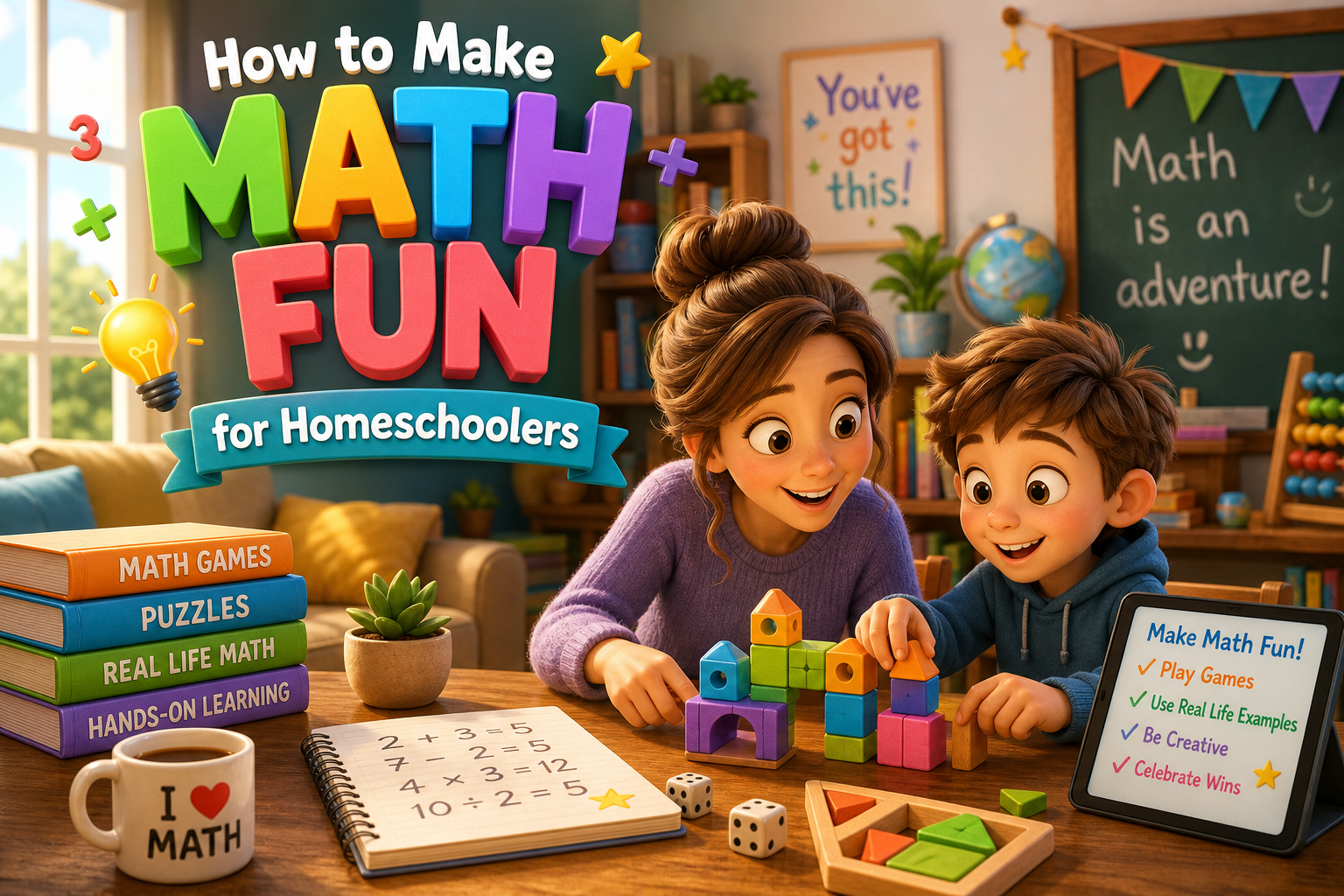
Making math fun is essential for homeschoolers. When children enjoy learning, they engage more deeply with the material. This article will explore various strategies to help you create a fun math environment at home. From games to real-life applications, these methods will inspire your children to love math. Homeschooling allows for flexibility. Thus, you can tailor your approach to suit your child’s interests. Let’s dive into ways to make math enjoyable and exciting for your homeschooler.
Understanding Your Child’s Learning Style
Every child learns differently. Some are visual learners, while others prefer hands-on activities or auditory methods. To make math fun, you should first understand your child’s learning style. This understanding allows you to select appropriate tools and methods. For visual learners, use colorful charts and videos. For hands-on learners, consider using physical objects like blocks or measuring cups. Auditory learners may benefit from math songs or discussions. By choosing activities that align with their style, children will be more engaged and excited about math.
Identifying Learning Preferences
To identify your child’s learning preference, observe them during activities. Do they enjoy drawing? Are they more active? Pay attention to how they approach problems. You can also try different activities and see which ones they enjoy most. For example, if they like building, incorporate geometry with blocks. If they enjoy storytelling, try word problems that involve characters and plots. Tailoring your approach will help children connect with math on a personal level.
Incorporating Games into Math Learning
Games are one of the best ways to make math fun. They create a playful environment that encourages learning without the pressure of traditional studying. Board games that involve counting, strategy, and problem-solving can be very effective. Games like “Monopoly” teach money management, while “Yahtzee” involves probability and counting. You can also create your own math games tailored to your child’s interests.
Online Math Games and Resources
In 2026, many online resources offer engaging math games. Websites like Prodigy and Coolmath Games provide interactive experiences that challenge children in a fun way. These platforms often adapt to the child’s skill level, ensuring they remain engaged. Encourage your child to play these games regularly. Set a specific time for gaming and learning. This structure helps them see math as a fun activity rather than just schoolwork.
Real-World Applications of Math
Connecting math to real-life situations makes it more relevant and engaging. For example, cooking is a fantastic way to teach measurements and fractions. When children help in the kitchen, they learn about volume, temperature, and timing. You can ask them to double a recipe or convert measurements. This practical application shows them how math is used daily.
Involving Children in Everyday Activities
Involve your children in budgeting for groceries. This activity can teach them about addition, subtraction, and money management. As you shop, ask them to calculate the total cost or how much change you will receive. Use household chores, like sorting laundry, to teach sorting and grouping. These activities demonstrate that math is not just a subject but a useful tool in everyday life.
Creative Arts and Math Integration
Art and math might seem different, but they can be closely related. Drawing shapes and patterns helps children understand geometry and spatial awareness. You can incorporate math into art projects. For example, create tessellations or symmetry art. These activities will enhance their understanding while allowing them to express creativity.
Using Technology for Art and Math
In 2026, many apps combine art and math. Programs like Geogebra allow kids to visualize mathematical concepts through art. Encourage your children to create designs while learning about angles and shapes. This approach not only makes math fun but also helps them appreciate its beauty.
Field Trips and Math Learning
Field trips can provide exciting experiences that enhance math learning. Visit a science museum, planetarium, or even a local farm. These trips often include hands-on exhibits that involve math concepts. For example, a planetarium visit may involve calculations related to distance and scale. Encourage your child to ask questions during these trips. This active participation helps solidify their understanding of math in context.
Planning Math-Focused Outings
Plan outings with specific math goals in mind. For instance, a trip to the grocery store can turn into a lesson on budgeting. Ask your child to compare prices and calculate savings. This practical learning experience makes math relevant and enjoyable. Remember to reflect on these experiences afterward. Discuss what they learned and how they applied math in real situations.
Storytelling and Math Concepts
Storytelling can be a powerful tool in teaching math. Create stories that incorporate math problems or concepts. For example, tell a story about a character who needs to share candies among friends. This narrative helps children understand division and sharing. Encourage your child to create their own math-related stories. This method enhances creativity while reinforcing math skills.
Using Books and Literature
Many children’s books incorporate math themes. Look for titles that include counting, shapes, or problem-solving. Reading these books can spark interest and provide context for math concepts. You can also create discussions around the stories. Ask questions that require mathematical thinking, such as “How many apples did the character eat?” This interaction will help children see math as an integral part of storytelling.
Creating a Math-Friendly Environment at Home
Your home environment can greatly influence your child’s attitude toward math. Make sure to have a dedicated space for math activities. This area should be comfortable and free from distractions. Decorate it with math posters, charts, and colorful materials. This visual stimulation can create a positive association with math.
Organizing Math Materials
Keep math materials organized and accessible. Use bins or folders for worksheets, tools, and games. When children can easily find what they need, they will be more likely to engage in math activities. Set aside time each week for math. This routine helps children understand the importance of math and makes it a normal part of their day.
Celebrating Math Successes
Celebrating achievements in math, no matter how small, can boost motivation. Set goals for your children and recognize their progress. When they complete a challenging math problem, reward them with praise or a small treat. This positive reinforcement encourages them to keep trying and learning.
Hosting Math Challenges
Consider hosting friendly math competitions at home. Invite friends or family members to join. Create challenges that encourage teamwork and problem-solving. This social aspect can make math more enjoyable. After the challenge, discuss what strategies worked best. This reflection helps deepen their understanding while making math a fun group activity.
Conclusion: Building a Love for Math
Making math fun for homeschoolers is all about creativity and engagement. By understanding your child’s learning style, incorporating games, and connecting math to real life, you can create an enjoyable learning experience. Remember to celebrate successes and foster a positive environment. The goal is to build a love for math that lasts a lifetime. With these strategies, you can turn math into an exciting adventure for your homeschooler.