



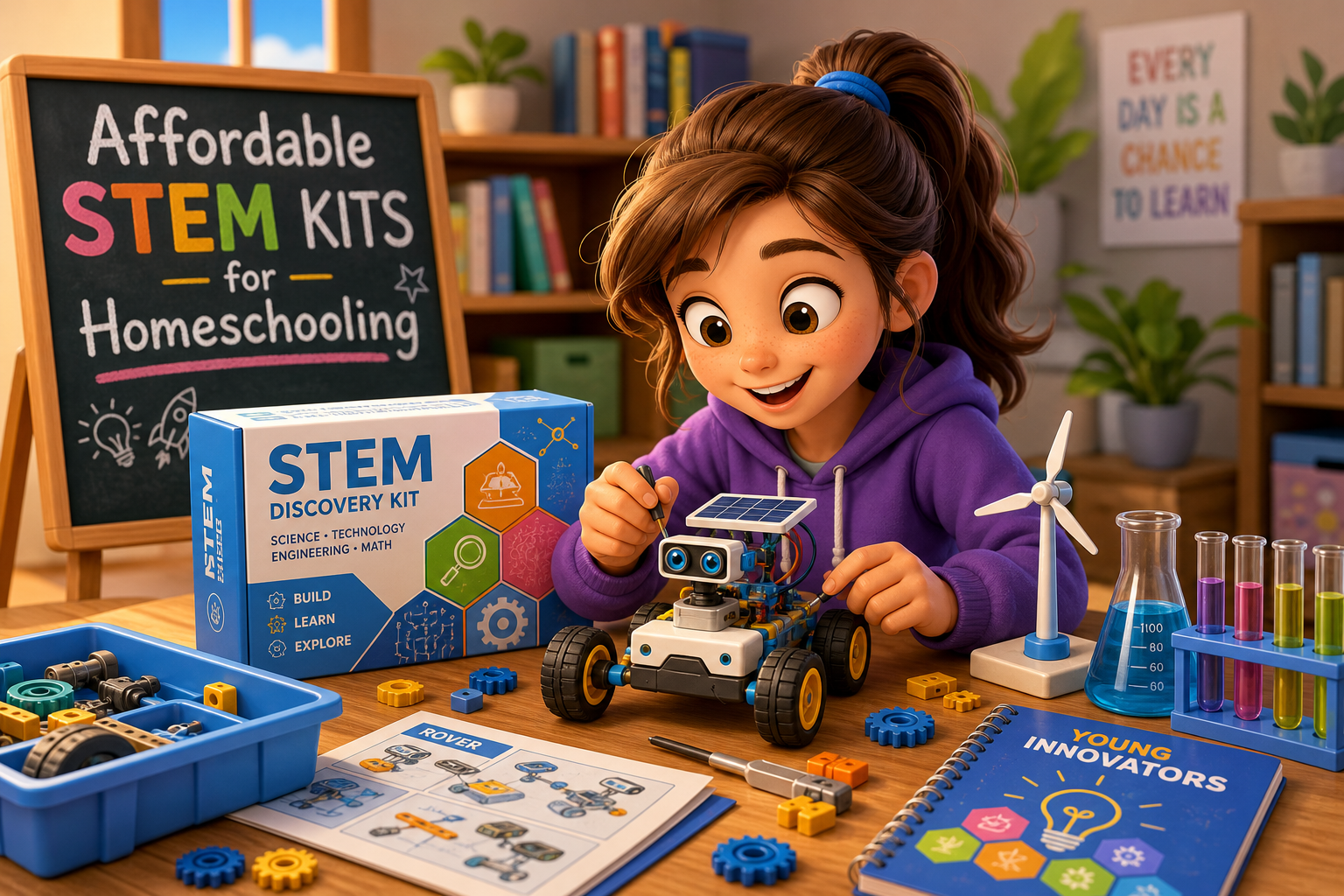
Introduction to Affordable STEM Kits
Homeschooling has gained popularity in recent years, especially as parents seek quality education options for their children. One effective way to enhance the homeschooling experience is through affordable STEM kits. These kits focus on science, technology, engineering, and mathematics, providing hands-on learning opportunities. The best part is that they can fit various budgets while still offering valuable educational content. In this article, we will explore the different types of STEM kits available, their benefits, and some recommendations that can help you choose the right one for your child.
Understanding STEM Education
STEM education plays a vital role in a child’s development. It encourages critical thinking, problem-solving skills, and creativity. By engaging in STEM activities, children learn to analyze situations and come up with solutions. This kind of learning is especially important in today’s technology-driven world. For instance, a child who builds a simple robot learns not only about engineering but also about coding and electronics. Therefore, incorporating STEM education into your homeschooling curriculum can lay a strong foundation for future academic and career success.
The Importance of Affordable Options
While many high-quality STEM kits exist, costs can quickly add up. It is important to find affordable options that still provide excellent learning experiences. Budget-friendly kits allow families to engage in educational activities without financial stress. Moreover, many affordable kits do not compromise on quality, ensuring that your child receives the best possible education. As you explore your options, remember that the goal is to inspire a love for learning while keeping expenses manageable.
Types of Affordable STEM Kits
STEM kits come in various types, each focusing on different aspects of science and technology. Understanding these types can help you choose the right kit for your child’s interests. Some popular categories include robotics kits, coding kits, chemistry sets, and engineering kits. Robotics kits often allow children to build and program robots, fostering creativity and technical skills. Coding kits introduce programming concepts in a fun way, while chemistry sets provide hands-on experiments that spark curiosity about the natural world. Engineering kits typically include building materials to create structures or machines, encouraging spatial awareness and design thinking.
Robotics Kits
Robotics kits are a fantastic way to introduce children to engineering and programming. These kits often include parts to build robots and software to program their actions. For example, the LEGO Mindstorms kit allows kids to build various robots and program them using a user-friendly interface. This type of hands-on learning encourages problem-solving and critical thinking. Additionally, many robotics kits come with online resources, enhancing the learning experience with tutorials and challenges.
Coding Kits
Coding kits teach children how to write code in an interactive way. They often use games or puzzles to make learning fun and engaging. For instance, the Kano Computer Kit lets children build their own computer and learn coding through games. Another popular option is the Osmo Coding Starter Kit, which combines physical blocks and digital gameplay. These kits make coding accessible to younger audiences and can spark a lifelong interest in technology.
Benefits of Using STEM Kits in Homeschooling
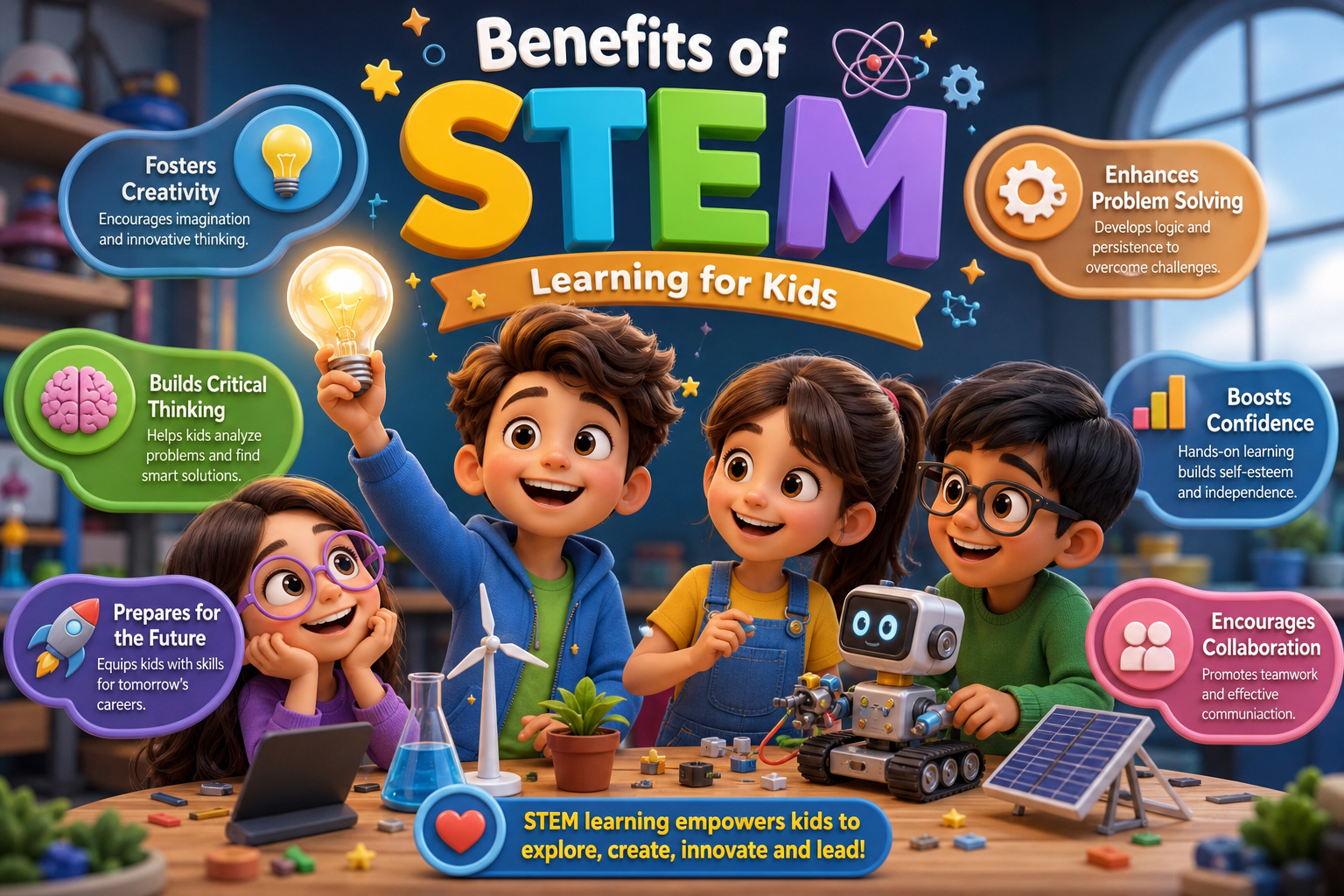
Integrating STEM kits into your homeschooling routine provides numerous benefits. First, they offer hands-on learning experiences that can make complex subjects easier to understand. When children can physically manipulate materials and see results, it enhances retention of information. Additionally, STEM kits encourage independent learning, as children can work through challenges at their own pace. This autonomy fosters confidence and a sense of accomplishment. Lastly, engaging with these kits can lead to a greater interest in STEM careers, as children discover their passions.
Enhancing Critical Thinking Skills
STEM kits often require children to think critically and solve problems. For example, a child working on a physics experiment may need to hypothesize outcomes based on their actions. This process teaches valuable life skills that extend beyond academics. Furthermore, as kids face challenges during experiments, they learn resilience and the importance of perseverance. These critical thinking skills are essential in today’s world, where problem-solving abilities are highly valued.
Popular Affordable STEM Kits for 2026
As of 2026, several affordable STEM kits stand out for their quality and educational value. One excellent option is the Snap Circuits Jr. Electronics Exploration Kit. This kit allows children to build various electronic projects, helping them understand basic circuitry concepts. Another great choice is the ThinkFun Gravity Maze Marble Run. It combines logic and engineering, challenging kids to create paths for marbles to manage through different obstacles.
More Recommendations
If your child is interested in chemistry, consider the Thames & Kosmos Chemistry C1000 kit. It provides hands-on experiments that teach fundamental chemistry concepts. For younger children, the Learning Resources Botley 2.0 is a fantastic coding robot that doesn’t require screens. It engages kids in learning coding basics while promoting teamwork and collaboration. Each of these kits is designed to spark curiosity and promote learning through play.
Where to Buy Affordable STEM Kits
Finding affordable STEM kits has become easier with online shopping. Websites like Amazon, Walmart, and Target often have a wide selection of kits at various price points. Additionally, many educational supply stores offer discounts or special promotions, especially during back-to-school seasons. Buying directly from manufacturers can sometimes yield savings as well. For instance, companies like LEGO and Snap Circuits frequently run sales on their official sites, making it easier to find the right kit within your budget.
Checking for Reviews
Before making a purchase, it is wise to read reviews from other parents or educators. These reviews can provide insights into the kit’s effectiveness and durability. Look for feedback on the ease of use and educational value as well. Online communities and forums dedicated to homeschooling can also be great resources for recommendations and tips. By doing thorough research, you can ensure that the STEM kits you choose will provide engaging and beneficial learning experiences.
Integrating STEM Kits into Your Homeschool Curriculum
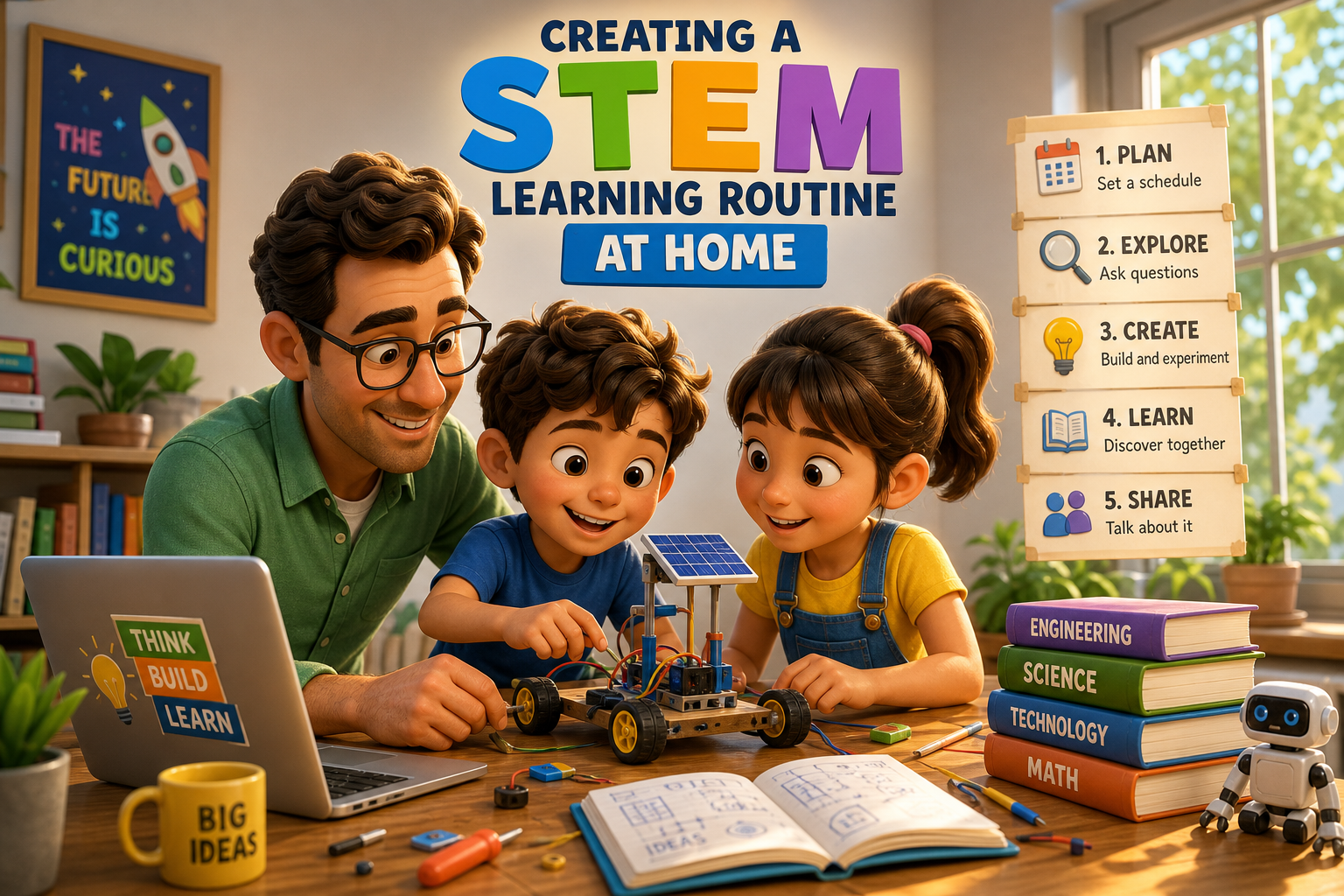
Once you have selected the right STEM kits, the next step is integrating them into your homeschooling curriculum. Set aside specific time each week for STEM activities to ensure they become a regular part of your child’s education. Consider tying the kits to other subjects. For example, if you are learning about the environment, use a science kit that focuses on ecology. This integration creates a more cohesive learning experience and helps children see connections between different topics.
Creating a Learning Environment
Establish a dedicated space for STEM activities in your home. This space should be organized and equipped with necessary tools and materials. Having a specific area for these projects can help children focus and feel more engaged. Additionally, encourage collaboration by inviting friends or siblings to join in. Working together on STEM projects can foster teamwork and communication skills, adding another layer to the learning experience.
Conclusion: The Future of Affordable STEM Kits in Homeschooling
In 2026, affordable STEM kits are more accessible than ever, making them an essential resource for homeschooling families. These kits not only provide valuable learning experiences but also inspire children to explore their interests in science, technology, engineering, and mathematics. By selecting the right kits and integrating them into your curriculum, you are equipping your child with the skills they need to succeed in an increasingly complex world. As you embark on this educational journey, remember that learning can be fun and engaging, especially with the right tools at your disposal.