


The Importance of STEM Learning at Home
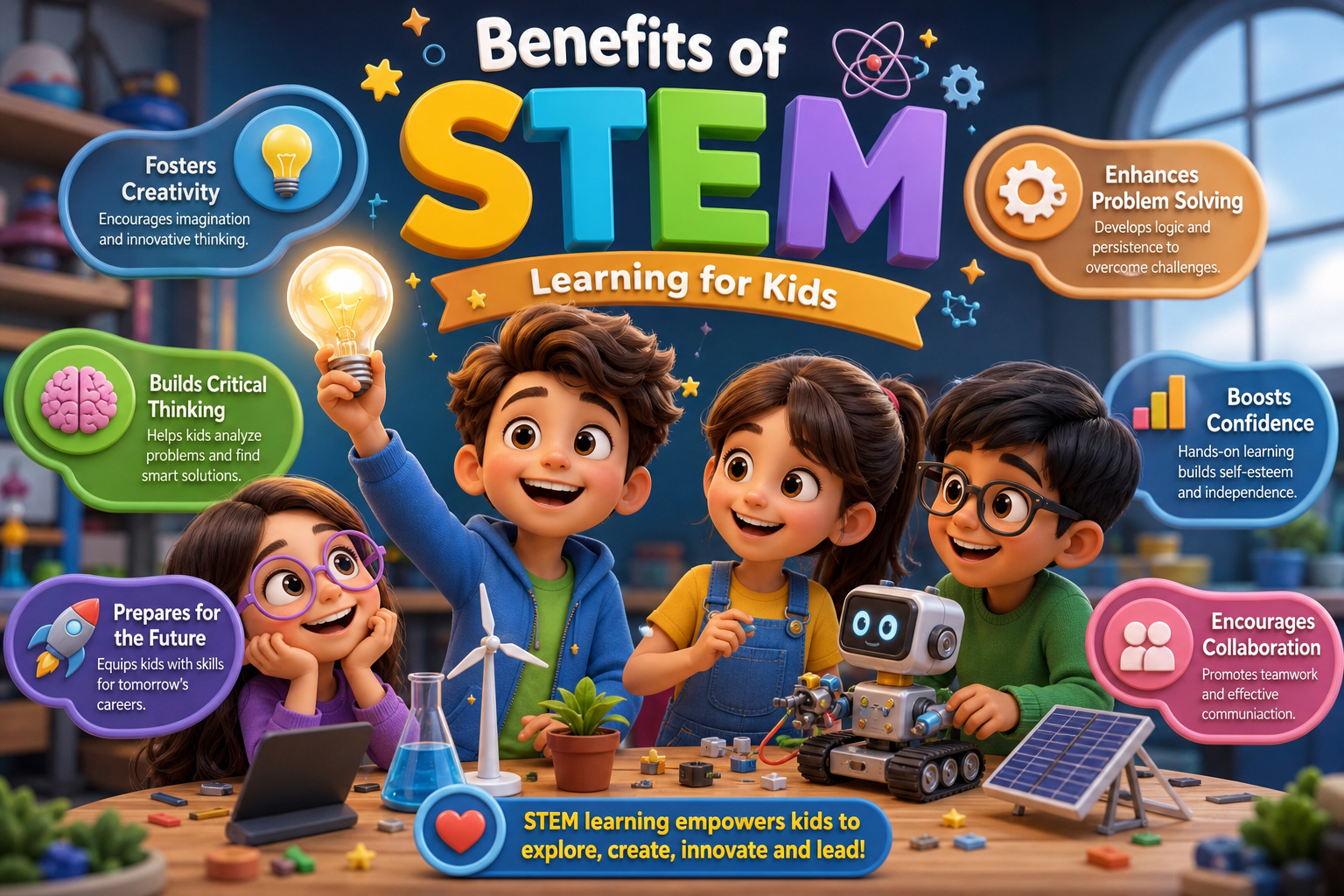
In today’s world, STEM learning has become increasingly vital. STEM stands for Science, Technology, Engineering, and Mathematics. These fields shape our future and are important for the economy. Parents often seek resources to support their children’s education at home. Engaging with STEM subjects boosts critical thinking and problem-solving skills. It also prepares students for future careers in high-demand fields. Because of this, finding the right tools and websites is essential for effective learning. In this article, we will explore the best websites for STEM learning at home.
1. Khan Academy
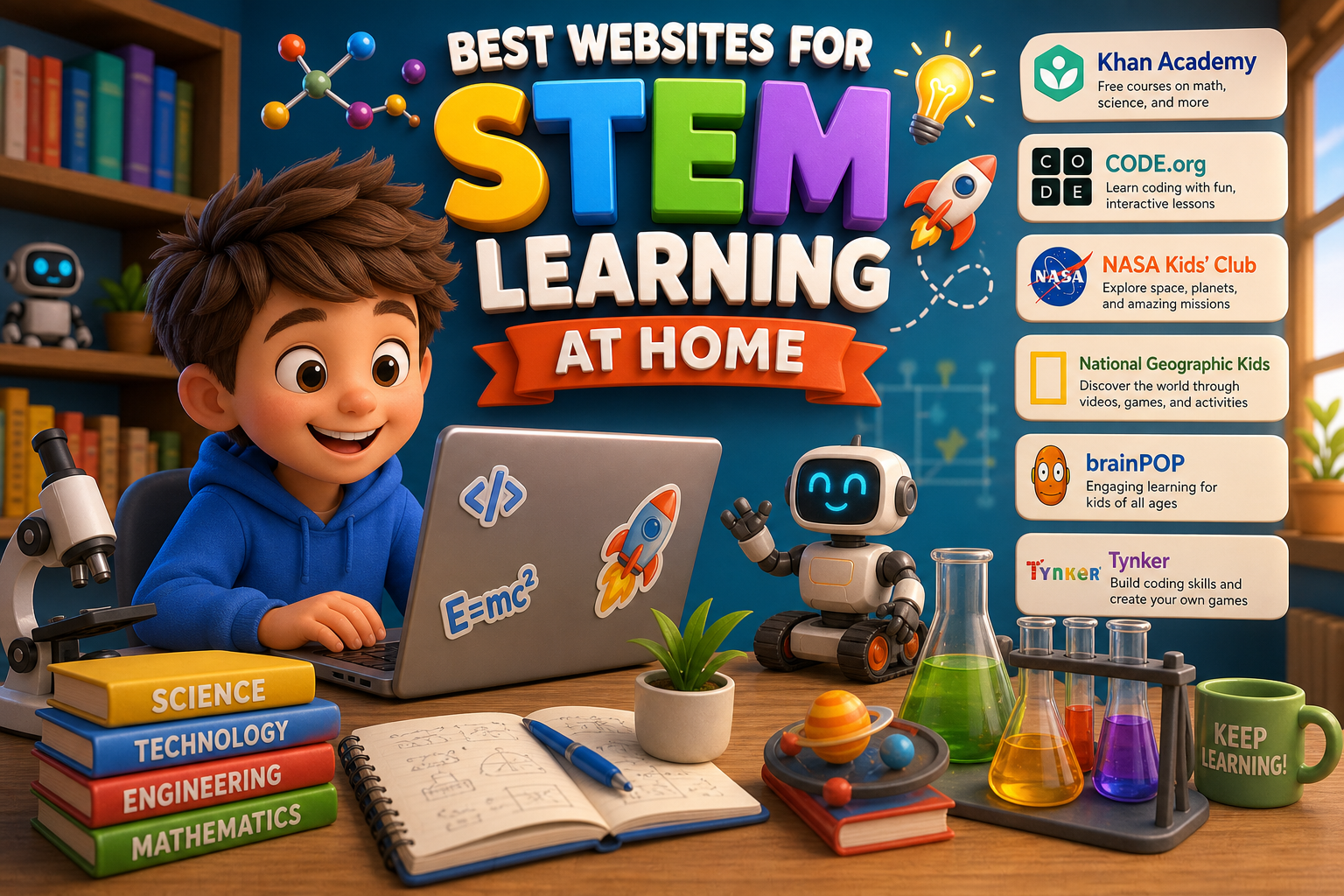
Khan Academy is a free online platform that offers a wide range of subjects. With a focus on math and science, it provides lessons for students of all ages. Users can access instructional videos, practice exercises, and personalized learning dashboards. This allows students to learn at their own pace. For instance, a student struggling with algebra can find videos explaining the concepts in simple terms. In 2026, Khan Academy has updated its content to include more interactive features. This helps keep students engaged and motivated. Parents can track their child’s progress through a dedicated dashboard, making Khan Academy a top choice for STEM learning at home.
2. National Geographic Kids
National Geographic Kids is an exciting website that makes learning fun. It offers a wide range of resources focused on science and geography. Children can explore articles, videos, and games that spark curiosity about the world around them. The vibrant visuals and engaging content capture their attention. For example, kids can learn about wildlife through interactive games that teach them about ecosystems. In 2026, National Geographic Kids has introduced new features such as virtual field trips. These trips allow students to explore different environments and cultures from home. This website is perfect for young learners interested in the wonders of our planet.
3. Code.org
Code.org is dedicated to teaching coding and computer science. It offers free resources for students of all ages, from kindergarten through high school. The platform features interactive coding lessons and tutorials, allowing students to learn at their own pace. In 2026, Code.org has expanded its curriculum to include more languages, such as Python and JavaScript. Students can create their own games and apps, making learning both fun and practical. Furthermore, teachers can use Code.org to find lesson plans and activities tailored to their classes. This ensures that students gain valuable skills for the future.
4. Scratch
Scratch is a programming language designed for beginners. It allows users to create interactive stories, games, and animations. The platform encourages creativity and problem-solving. In 2026, Scratch has introduced new features that enhance user experience. This includes a broader library of characters and backgrounds. Students can easily drag and drop code blocks to create their projects. Scratch also has a strong community where users can share their creations and collaborate. This social aspect makes learning programming enjoyable and inspires students to improve their skills.
5. NASA’s Website for Kids
NASA’s website for kids is a treasure trove of exciting information about space and science. It offers games, videos, and articles that make learning about the universe fun. Children can explore topics like planets, stars, and the technology used in space exploration. In 2026, NASA has added new interactive content that allows kids to simulate space missions. This hands-on approach helps them understand complex scientific concepts. The website also includes educational resources for teachers and parents. This ensures that families can enjoy learning together. NASA’s website is perfect for aspiring astronauts and scientists.
6. PBS LearningMedia
PBS LearningMedia provides a wealth of resources for STEM education. It offers videos, lesson plans, and interactive activities aligned with educational standards. The platform focuses on making learning accessible and engaging. In 2026, PBS LearningMedia has expanded its library to include more up-to-date content. Subjects range from environmental science to engineering. Teachers can create customized lesson plans, while students can explore topics at their own pace. Moreover, PBS LearningMedia emphasizes the importance of critical thinking and problem-solving. This platform is ideal for families looking for comprehensive resources for STEM learning.
7. BrainPOP
BrainPOP is an educational platform that offers animated videos covering various subjects, including STEM. The content is designed for students in elementary and middle school. Each video is accompanied by quizzes and activities that reinforce learning. In 2026, BrainPOP has introduced more interactive features, such as games and real-world applications. For instance, students can explore engineering concepts through hands-on projects. Parents can also track their child’s progress through the platform. This makes BrainPOP a valuable resource for promoting STEM learning at home.
8. Coursera
Coursera is an online learning platform that collaborates with universities and organizations to offer courses. Students can access a wide range of STEM courses, from introductory to advanced levels. In 2026, Coursera has expanded its offerings to include more courses in emerging technologies like artificial intelligence and data science. Users can learn at their own pace, and many courses are free to audit. This flexibility allows students to explore various subjects without commitment. Additionally, Coursera provides certificates for completed courses, which can enhance resumes or college applications. This platform is ideal for high school students and adults seeking to improve their skills.
9. EdX
EdX is another online learning platform that offers courses from top universities. Students can find a wealth of STEM courses covering topics in mathematics, computer science, and engineering. In 2026, EdX has updated its interface for easier navigation, making it simpler for users to find courses. Many of the courses are free to access, with the option to earn certificates for a fee. EdX also provides MicroMasters programs, which allow students to gain advanced knowledge in specific areas. This makes it a valuable resource for learners looking to deepen their understanding of STEM fields.
10. Tynker
Tynker is a coding platform designed for kids. It offers engaging courses that teach programming through games and interactive lessons. In 2026, Tynker has introduced new courses focused on robotics and artificial intelligence. This allows students to explore cutting-edge technology while learning to code. The platform also features coding challenges and competitions that motivate students. Parents can monitor their child’s progress and achievements on Tynker. This makes it a great choice for families looking to encourage coding skills at home.
11. STEM.org
STEM.org is a resource hub dedicated to promoting STEM education. The website offers various tools and resources for parents and educators. In 2026, STEM.org has expanded its library to include more practical activities and projects. These resources aim to inspire students to explore STEM concepts hands-on. The site also provides guides for parents on how to support their children’s learning. This makes STEM.org an excellent starting point for families interested in enhancing their STEM education at home.
12. YouTube Educational Channels
YouTube has become a valuable resource for STEM learning, with numerous educational channels available. Channels like CrashCourse, SciShow, and Veritasium offer engaging content on various topics. In 2026, these channels continue to evolve, providing high-quality videos that explain complex concepts simply. Students can watch videos on everything from physics to computer science. Many channels also offer quizzes and challenges to reinforce learning. YouTube is a fantastic tool for supplementing STEM education at home, allowing students to learn visually and interactively.
STEM learning at home is essential for preparing students for the future. The websites mentioned in this article provide diverse resources that cater to various interests and learning styles. Whether your child is interested in coding, science, or engineering, there is a platform that can help. By utilizing these resources, parents can support their children’s education effectively. As technology continues to advance, staying informed about the best learning tools is important. In 2026, families have access to a wealth of online resources that can make STEM learning engaging and enjoyable.