


Introduction to Science Activities
Science activities are a fantastic way to engage children while they learn. These hands-on projects spark interest and curiosity about the natural world. In 2026, parents and educators are looking for effective ways to teach science at home. Many families are choosing to incorporate science activities into their daily routines to foster a lifelong love of learning. Through these activities, kids can explore concepts in chemistry, physics, biology, and environmental science. This article will cover a variety of science activities suitable for home learning, ensuring children gain practical knowledge while having fun.
Why Hands-On Learning is Important
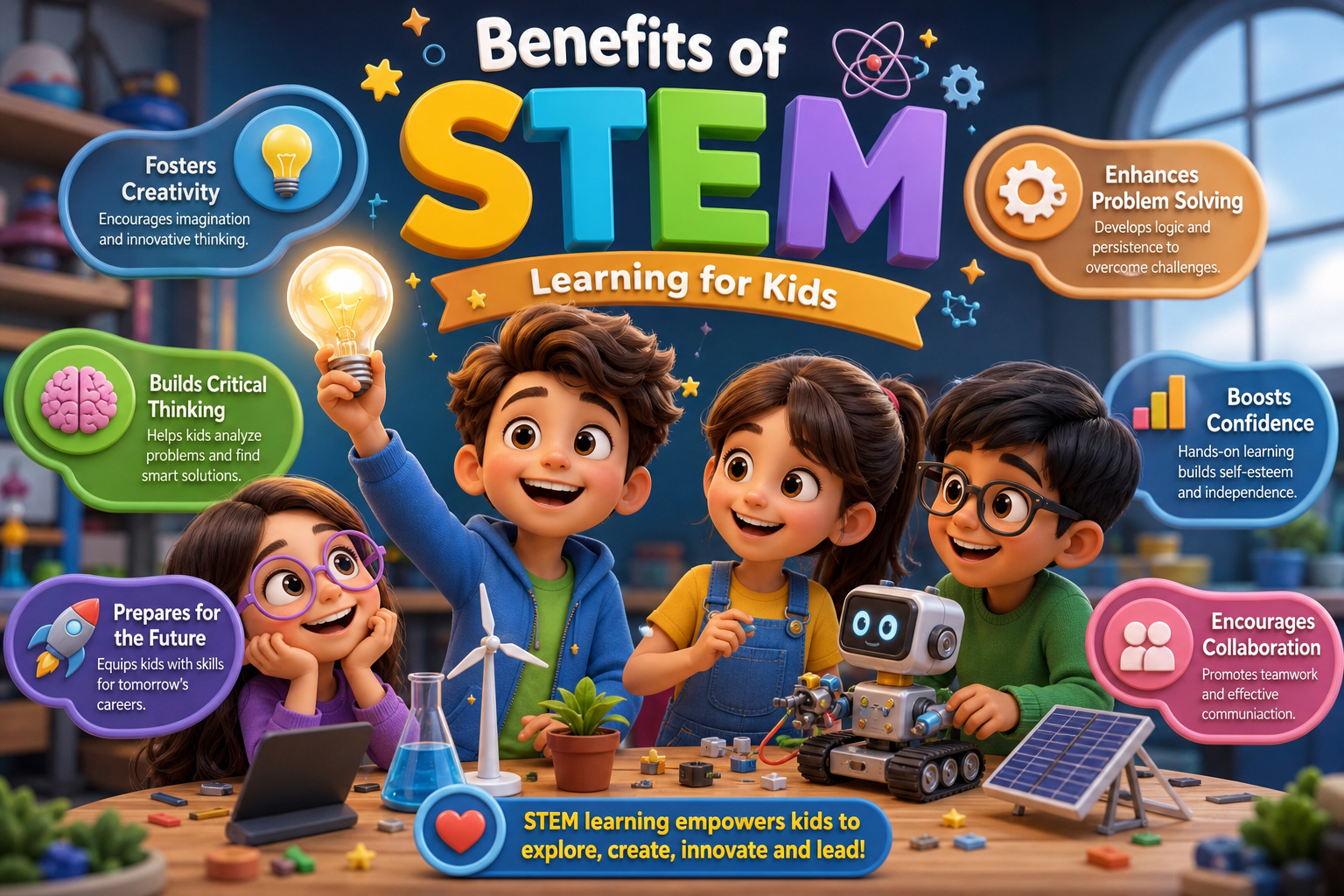
Hands-on learning is essential for a child’s development. When children engage in activities, they learn by doing. This method helps improve retention of information. For instance, a child who builds a volcano will remember the concept of eruptions better than if they only read about it. Studies show that active participation in learning increases understanding and boosts confidence. In 2026, many educational experts emphasize the importance of hands-on science. Children learn to ask questions, make observations, and solve problems. These skills are critical for their future success.
Activity 1: Homemade Volcano
A homemade volcano is a classic science activity. It teaches children about chemical reactions in a fun way. To create a volcano, you need baking soda, vinegar, food coloring, and a container for the volcano shape. Start by shaping clay or playdough around a cup to form the volcano. Pour baking soda into the cup, add food coloring for effect, and then pour vinegar over it. The reaction will create a bubbly eruption. This activity demonstrates the concept of an acid-base reaction and is a great way to introduce kids to basic chemistry.
Tips for Success
Make sure to conduct this experiment outdoors or in an area that is easy to clean. Discuss the science behind the eruption with your child. Explain how the baking soda (a base) reacts with vinegar (an acid) to produce carbon dioxide gas. This can lead to further discussions about real volcanoes and how they work. Encourage your child to ask questions and predict what will happen during the experiment.
Activity 2: DIY Solar Oven
Building a solar oven is an exciting way to learn about renewable energy. This project requires a pizza box, aluminum foil, plastic wrap, and some black paper. First, cut a flap in the pizza box lid. Cover the underside of the flap with aluminum foil to reflect sunlight. Line the bottom of the box with black paper to absorb heat. Seal the box with plastic wrap to keep the heat in. Place food inside, such as s’mores or nachos, and leave it in the sun for a few hours. Kids will be amazed to see how the sun can cook food.
Educational Insights
While waiting for the food to cook, discuss the principles of solar energy. Explain how sunlight can be transformed into heat energy. This activity teaches children about sustainability and the importance of using renewable resources. To enhance the learning experience, encourage your child to take notes on the temperature changes and cooking times. This hands-on project combines science with culinary arts, making it enjoyable and educational.
Activity 3: Water Filtration Experiment
Water filtration is a vital process. This experiment teaches children about clean water and environmental science. Gather materials such as a plastic bottle, gravel, sand, activated charcoal, and a coffee filter. Cut the bottom off the plastic bottle and place the coffee filter inside. Layer the gravel, sand, and charcoal on top. Pour dirty water through the filter and observe the results. Children will see how different materials can purify water.
Discussion Points
Talk about the importance of clean water and how filtration systems work in real life. Discuss the sources of water pollution and how communities address these issues. This activity not only teaches scientific concepts but also encourages environmental awareness. Kids can brainstorm ways to reduce water pollution in their homes or communities.
Activity 4: Simple Circuit Projects
Building simple circuits is a great way to teach kids about electricity. You will need a battery, wires, and a small light bulb. Start by connecting one wire from the battery’s positive terminal to one terminal of the light bulb. Then, connect another wire from the other terminal of the light bulb back to the battery’s negative terminal. When connected correctly, the light bulb will light up, showing how circuits work. This activity introduces children to basic electrical engineering concepts.
Enhancing the Learning Experience
Once the basic circuit is complete, challenge your child to create different circuits using various components. They can experiment with adding more bulbs or switching to a buzzer. Ask them to predict what will happen and compare the results. This hands-on experience allows children to understand electricity better and improves their problem-solving skills.
Activity 5: Plant Growth Observations
Growing plants is a wonderful science activity that teaches children about biology and ecosystems. Start by planting seeds in pots with soil. Use different types of seeds, such as beans, sunflowers, or herbs. Place the pots in various locations to test how light affects growth. Children can measure the height of the plants over time and record their observations in a journal.
Connecting to Science Standards
This activity aligns with science standards related to life cycles and ecosystems. Discuss the process of photosynthesis and how plants convert sunlight into energy. Encourage your child to ask questions about what plants need to grow. This hands-on project can spark a lifelong interest in gardening and environmental science.
Activity 6: Crystal Growing Experiment
Growing crystals is a fascinating activity that introduces children to chemistry and geology. To grow crystals, dissolve sugar or salt in hot water until it reaches saturation. Pour the solution into a clean glass and place it in a cool area. Over several days, crystals will start to form. This process shows how minerals crystallize in nature.
Exploration and Discussion
While waiting, discuss the different types of crystals and their natural formations. Explain how temperature and evaporation affect crystal growth. Children can also experiment with different substances like Epsom salt or baking soda to see how they change the outcome. This activity combines patience with scientific inquiry, making it a rewarding experience.
Activity 7: Balloon Rocket Experiment
The balloon rocket experiment teaches children about physics and motion. All you need is a balloon, string, a straw, and tape. Thread the string through the straw and tie it between two places, like chairs. Inflate the balloon without tying it, and tape it to the straw. When you release the balloon, it will fly along the string. This demonstrates Newton’s third law of motion: for every action, there is an equal and opposite reaction.
Understanding Forces
Discuss forces like thrust and drag with your child. Ask them to make predictions about how far the rocket will go. They can also experiment with different balloon sizes or shapes to see how it affects distance. This activity makes learning about physics interactive and fun.
Activity 8: Homemade Slime Chemistry
Making slime is an engaging way to explore chemistry. You will need white school glue, baking soda, and contact lens solution. Mix the glue and baking soda in a bowl, then add contact lens solution to create slime. Children will enjoy the tactile experience and learn about polymers in the process. The unique texture can spark discussions about chemical reactions.
Playing with Science
As they play with the slime, explain how the ingredients work together to create the final product. Encourage your child to experiment with colors and add-ins like glitter or foam beads. This hands-on activity not only teaches chemistry but also allows for artistic expression.
Activity 9: Environmental Science with Recycling
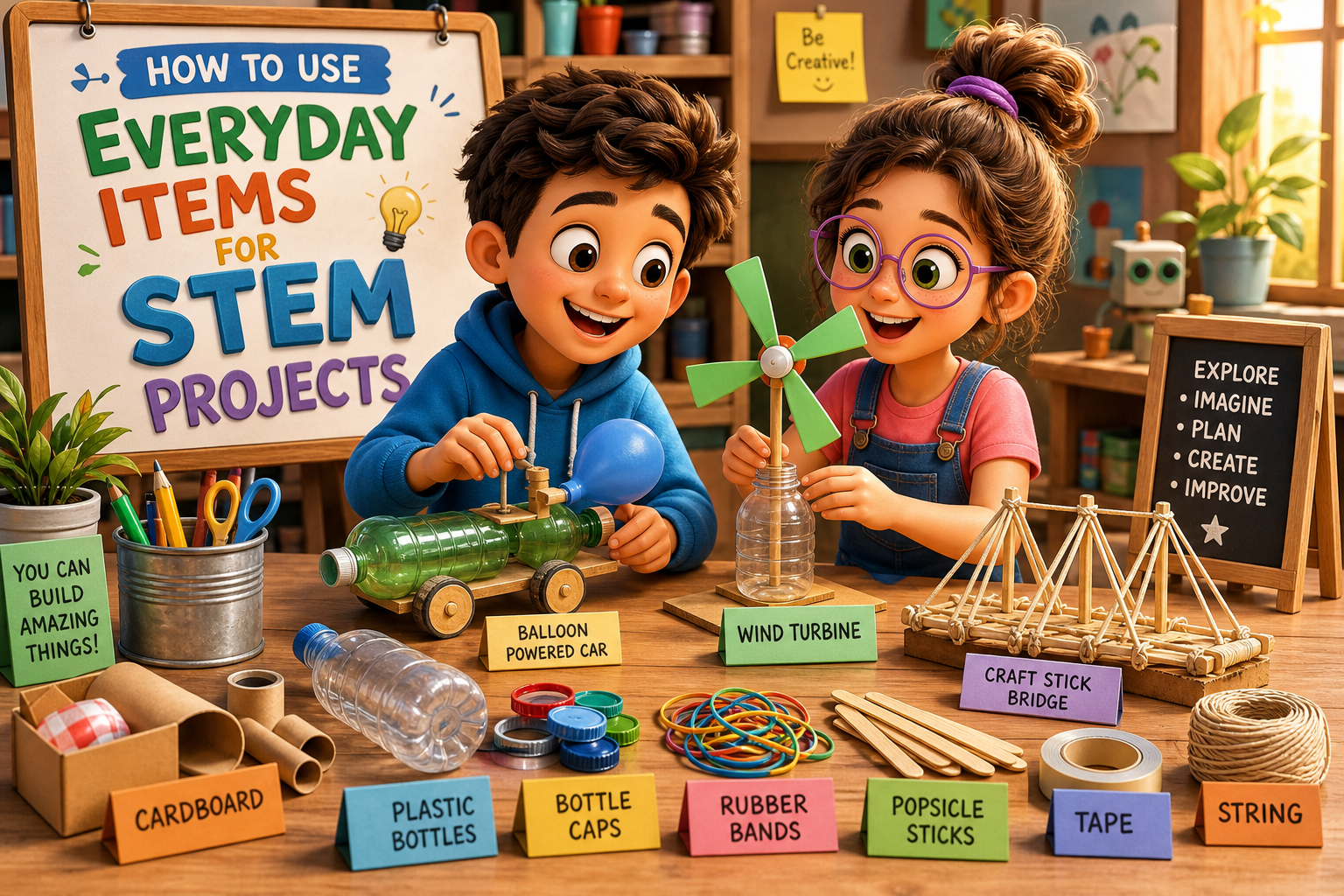
Recycling projects are fantastic for teaching children about sustainability. Gather recyclables like plastic bottles, cardboard, and cans. Challenge your child to create something new, like a bird feeder or a plant pot. This hands-on activity encourages creativity while promoting environmental consciousness. Discuss the benefits of recycling and how it helps reduce waste.
Community Connection
After completing the projects, encourage your child to share their creations with friends or family. They can explain the importance of recycling and how it can make a difference in the community. This activity not only teaches science but also fosters a sense of responsibility for the environment.
Activity 10: Shadow Science
Exploring shadows is a fun way to learn about light and angles. On a sunny day, take your child outside with a few toys. Have them place the toys on the ground and observe the shadows they create. Use a ruler to measure the length of the shadows at different times of the day. This activity introduces children to basic concepts in physics and geometry.
Understanding Light and Angles
Discuss how the position of the sun affects the length and direction of shadows. This can lead to conversations about why shadows change throughout the day and the concept of time. Encourage your child to draw their findings and share what they learned with others. This activity combines observation with scientific inquiry, making it a comprehensive learning experience.
Concluding Thoughts on Home Learning
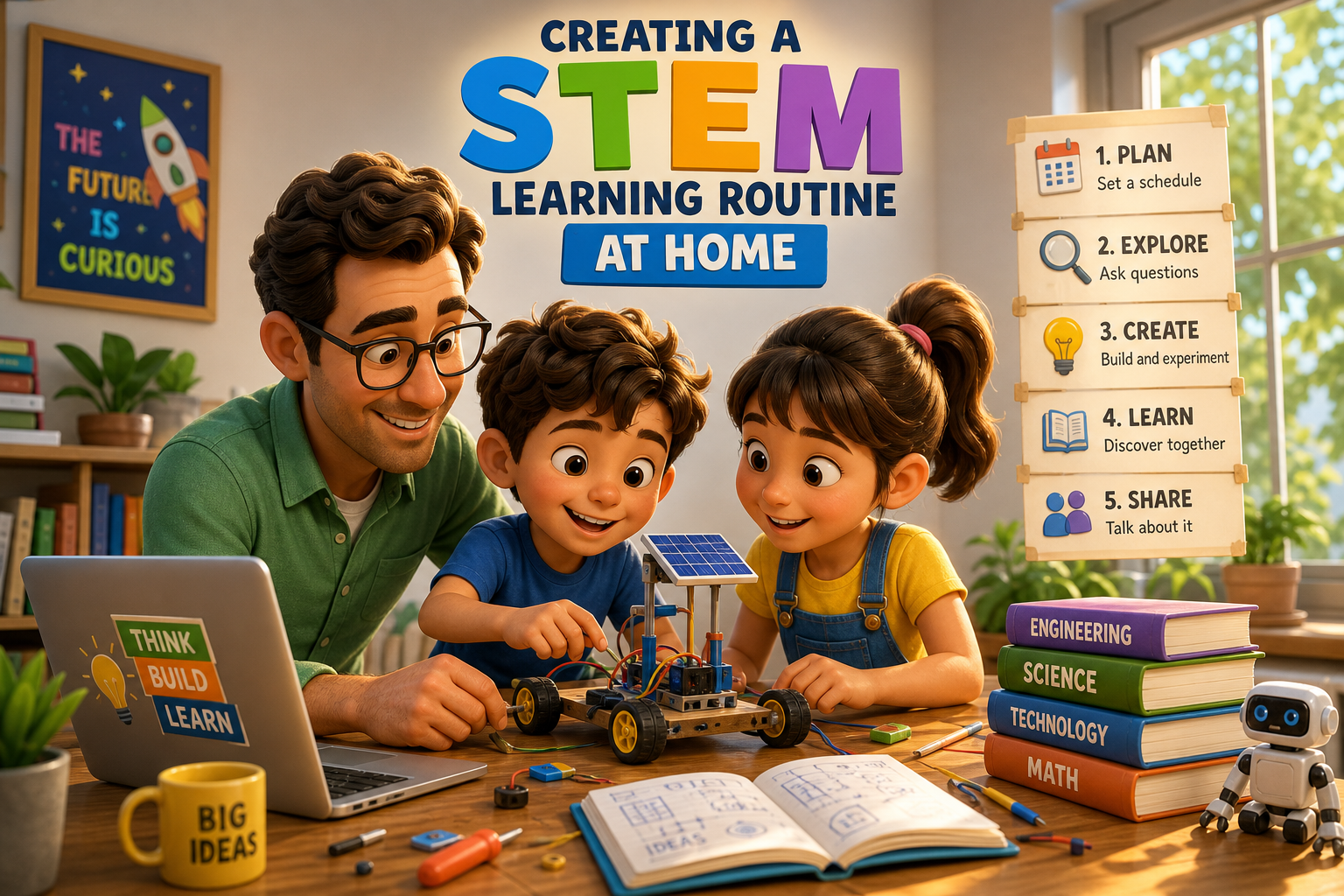
In 2026, hands-on science activities are vital for home learning. They engage children and help them develop critical thinking skills. Each of these activities not only teaches essential scientific concepts but also encourages creativity and exploration. By incorporating these projects into your home learning routine, you can create a fun and educational environment. Encourage your child to ask questions and explore the world around them. Science is everywhere, and with these activities, learning can happen in exciting and meaningful ways. Remember, the goal is to inspire curiosity and a love for science that lasts a lifetime.