


Introduction to Kids Coding
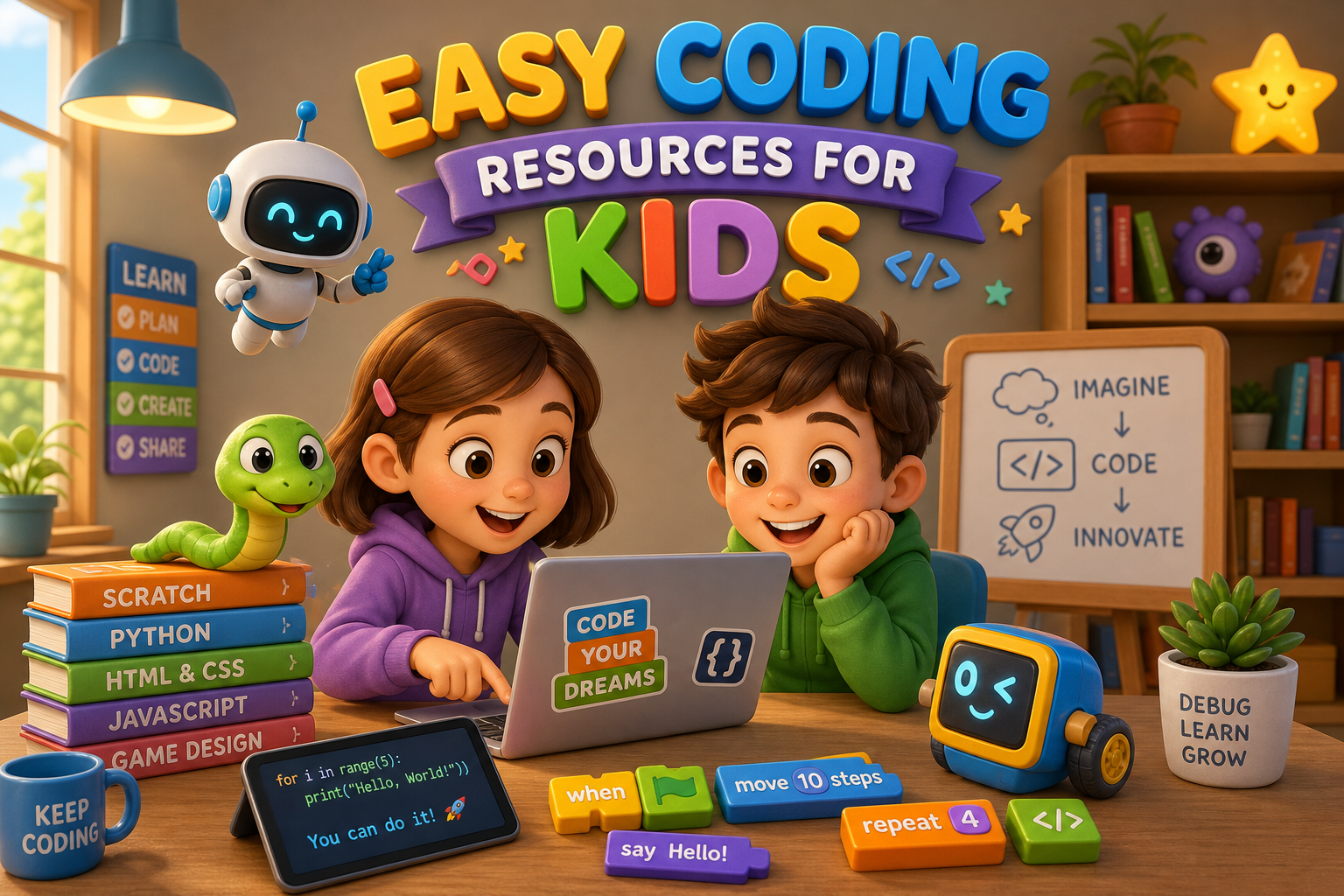
Learning to code is an exciting adventure for kids. Coding is not just a skill for adults in tech. It opens a world of creativity for young minds. In 2026, teaching kids to code is easier than ever. There are many resources available that make learning fun and interactive. Kids can start coding at a very young age, often as early as five years old. They can create games, websites, and even apps. This article will explore easy coding resources for kids, helping parents and educators find the best tools to ignite their interest in programming.
Why Teach Kids Coding?
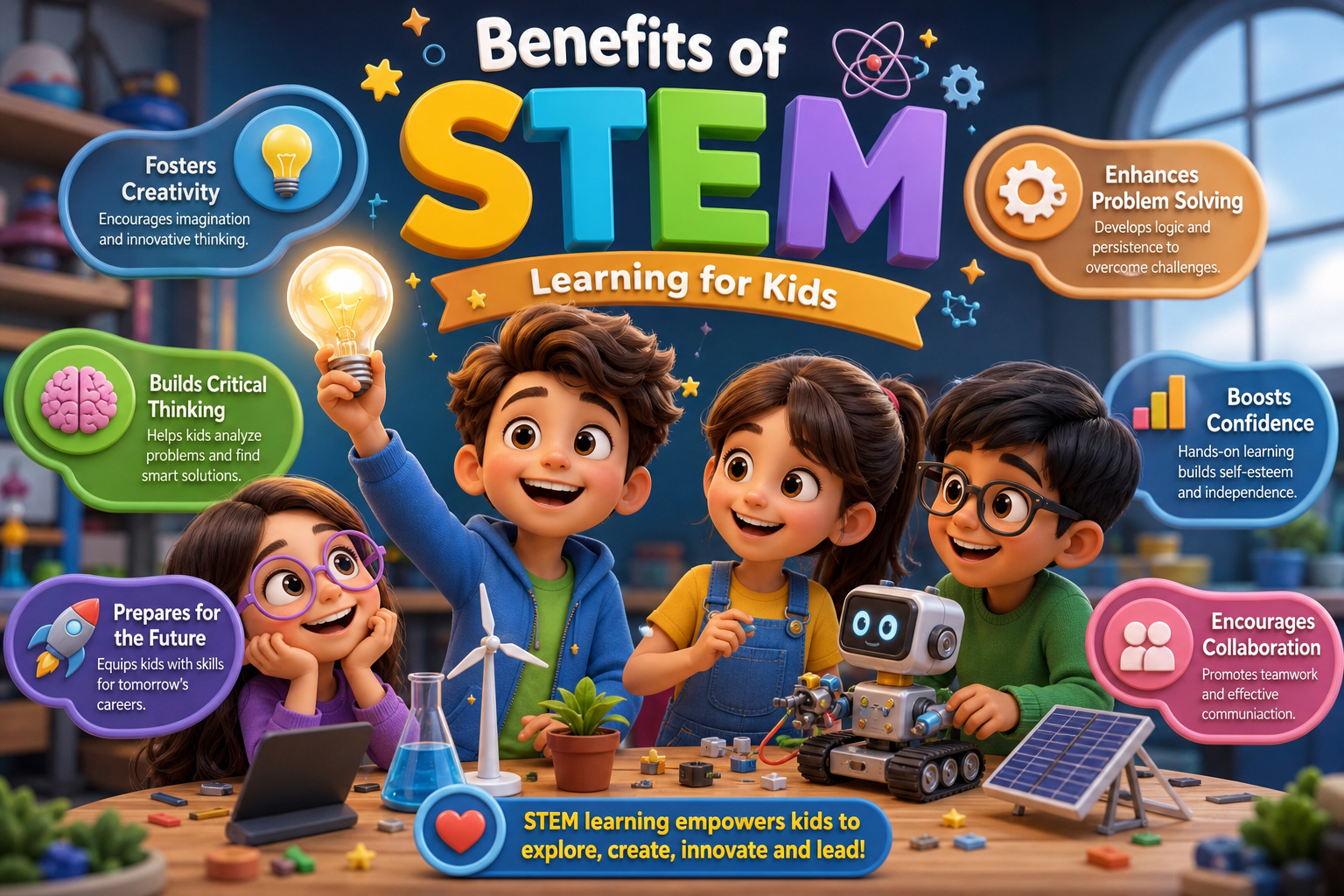
Teaching kids coding has many benefits. First, it improves problem-solving skills. When kids code, they learn to break down complex problems into smaller steps. This skill can be useful in many areas of life. Second, coding enhances creativity. Kids can build their own projects, which boosts their imagination. They can create art, games, and stories using code. Third, coding teaches persistence. Kids often face challenges when coding. Learning to overcome these hurdles builds resilience. Lastly, coding prepares kids for future jobs. Many fields now require some knowledge of coding. Understanding programming languages can give kids a head start in their careers.
Online Coding Platforms
Many online platforms offer coding resources for kids. These platforms provide interactive lessons and activities. One popular platform is Code.org. This website features coding courses tailored for children. Kids can learn through fun games and challenges. Another option is Scratch. Scratch allows kids to create animated stories and games using a visual programming language. This method is perfect for younger children. Tynker is another great resource. It provides coding lessons and projects that kids can complete at their own pace. These platforms not only teach coding but also encourage creativity.
Apps for Learning Coding
Mobile apps are a fantastic way for kids to learn coding on the go. One popular app is LightBot. This game teaches programming logic through puzzles. Kids guide a robot to light up tiles by solving challenges. Another great app is Kodable. This app introduces kids to programming concepts through fun games and characters. It is designed for children as young as five. Additionally, Hopscotch is an app that lets kids create their own games. Kids can learn coding basics while having fun. These apps make learning to code accessible anywhere.
Books About Coding for Kids
Books are another excellent resource for kids learning to code. For younger children, “Hello Ruby: Adventures in Coding” is a wonderful choice. This book teaches coding concepts through storytelling. It makes learning engaging and enjoyable. For older kids, “Python for Kids” offers a great introduction to programming. This book uses fun projects to teach Python, one of the most popular programming languages. “Girls Who Code: Learn to Code and Change the World” is another fantastic resource. It inspires girls to learn coding and pursue careers in technology. These books provide valuable insights and hands-on activities.
Interactive Coding Games
Interactive games can make coding fun and engaging. Websites like CodeCombat allow kids to learn coding through role-playing games. Players write code to control their characters while solving challenges. Another exciting game is Robocode, where kids can program robots to battle against each other. This game teaches programming in a competitive and fun way. Additionally, LightBot offers a puzzle game that teaches programming logic. These games are not only enjoyable but also educational, helping kids learn coding concepts without feeling overwhelmed.
Robotics Kits for Hands-On Learning
Robotics kits provide a hands-on approach to learning coding. Kits like LEGO Mindstorms allow kids to build and program robots. This interactive experience teaches coding in a fun and engaging way. Another excellent kit is the Sphero Mini. Kids can program this small robot to manage mazes or perform tasks. It introduces basic coding concepts while promoting creativity. With robotics kits, kids can see the results of their coding in real-time, making the learning process exciting and rewarding.
Local Coding Clubs and Workshops
Joining a coding club can be a great way for kids to learn coding in a community setting. Many local libraries and schools offer coding clubs. These clubs provide a space for kids to work together on coding projects. They can share ideas, ask questions, and learn from each other. Workshops are also available in many areas. These events often focus on specific programming languages or tools. They provide hands-on experience and guidance from instructors. Kids can meet peers with similar interests, making learning more enjoyable.
Online Coding Competitions
Online coding competitions can motivate kids to improve their skills. These contests often have categories for different age groups and skill levels. Sites like Codewars offer challenges where kids can earn points and badges. Competitions encourage kids to think critically and creatively. They also provide a sense of achievement when kids complete challenges. Participating in coding competitions can boost a child’s confidence. It helps them connect with others who share their passion for coding. This connection can inspire further learning and exploration.
Conclusion: Embracing Coding for the Future
In conclusion, learning coding is a valuable experience for kids in 2026. With a wide range of resources available, from online platforms to books and hands-on kits, it is easier than ever for young learners to start coding. Parents and educators can choose tools that suit each child’s interests and learning style. Engaging coding resources help children develop essential skills for the future. As technology continues to evolve, coding will play a important role in many aspects of life. Encouraging kids to embrace coding can open doors to exciting opportunities ahead.