



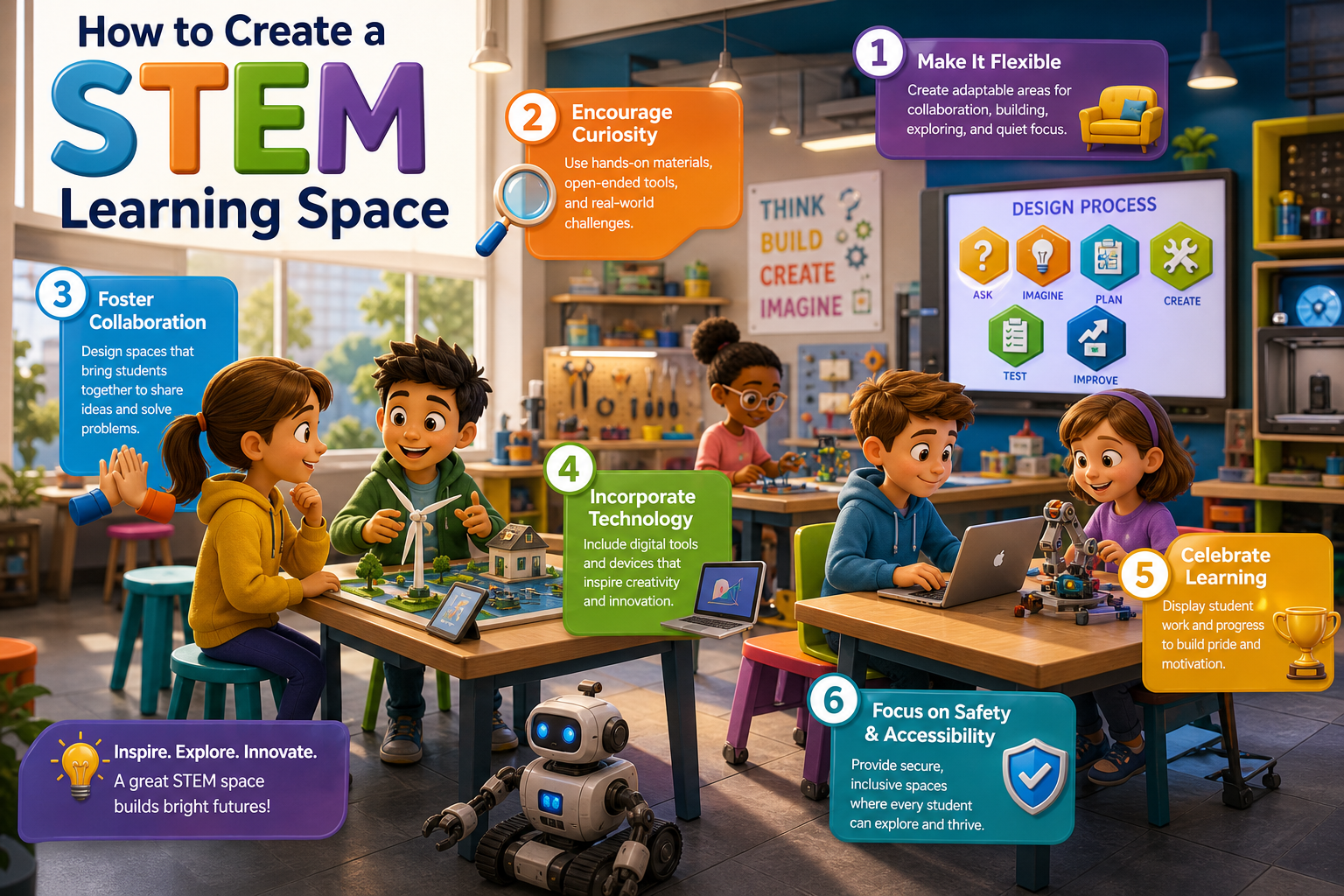
What is a STEM Learning Space?
A STEM learning space is a dedicated environment designed to facilitate learning in Science, Technology, Engineering, and Mathematics. This type of space encourages students to explore, experiment, and engage in hands-on projects. Unlike traditional classrooms, a STEM learning space is flexible and adaptable, allowing for various activities. It can be set up in schools, homes, or community centers. The goal is to foster curiosity and creativity, providing students with opportunities to solve real-world problems while integrating different subjects.
Creating a STEM learning space can be an exciting project. It involves not just physical space but also the right tools and mindset to encourage exploration. In 2026, innovative strategies and tools are available to enhance such spaces, making them more engaging and effective for students of all ages.
Choosing the Right Location
Choosing the right location for a STEM learning space is essential. Ideally, the space should be flexible and spacious enough to accommodate various activities. Consider rooms that are quiet and away from distractions, allowing for focused work. A garage, basement, or even a corner of a living room can work well. Ensure the area has good lighting and ventilation for comfort during projects.
Think about accessibility as well. The space should be easy for children to reach and use. If you are setting up in a school, look for a space that can be easily modified to fit different group sizes. Flexibility is key, as you may want to arrange the area for group projects or individual work.
Essential Tools and Materials
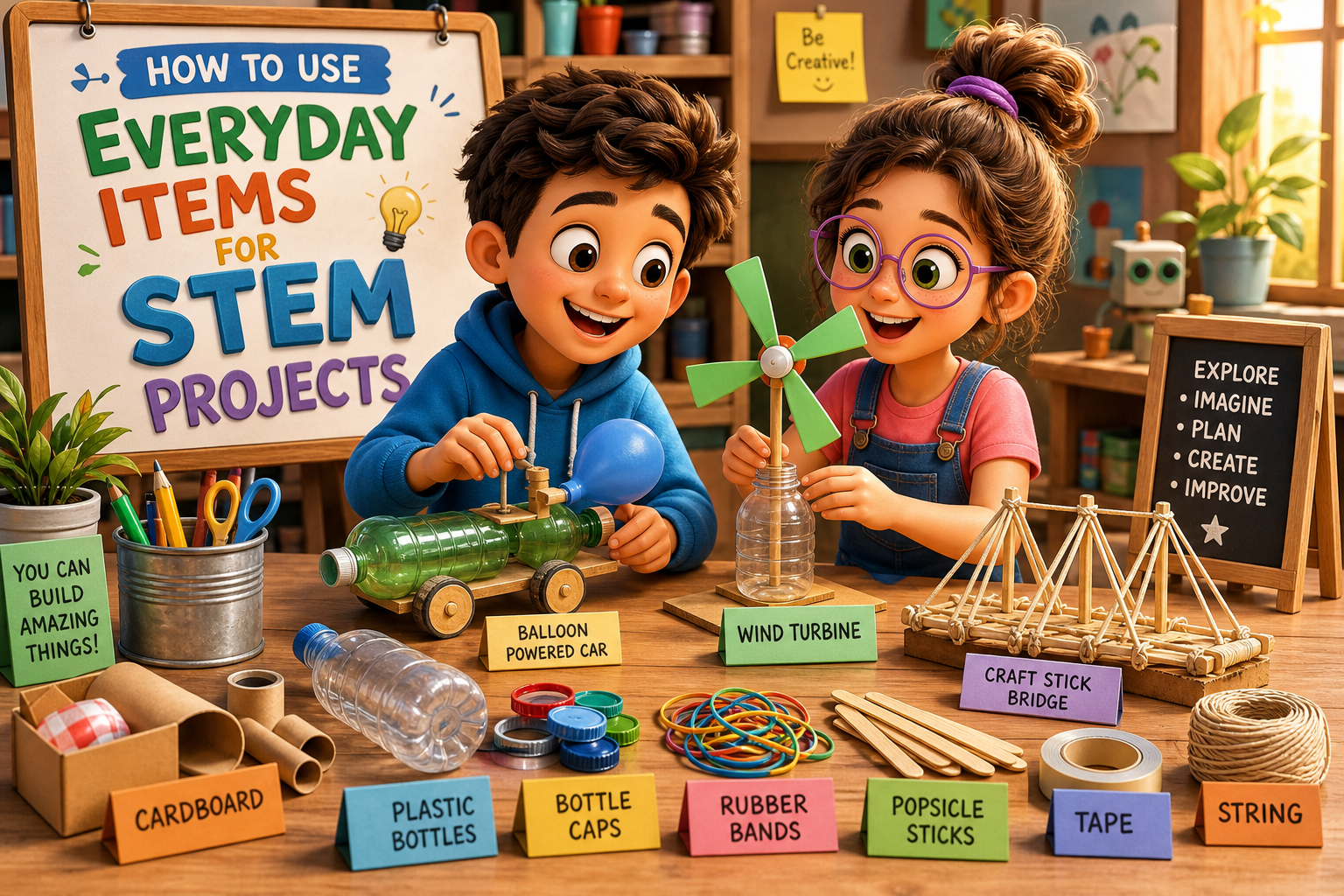
Equipping your STEM learning space with the right tools and materials is vital. Start with basic supplies like paper, markers, and scissors. These are essential for drawing, creating models, and brainstorming ideas. Next, consider adding more specialized tools. In 2026, items like 3D printers, robotics kits, and coding tools are becoming increasingly available and affordable.
Additionally, include materials for building and experimentation. Items like LEGO sets, building blocks, and craft supplies can inspire creativity. Make sure to have a variety of items on hand to cater to different projects. A well-stocked space encourages exploration and innovation, allowing students to test their ideas freely.
Creating a Collaborative Environment
A STEM learning space should promote collaboration and teamwork. Arrange the furniture to facilitate group work, such as movable tables and chairs. This setup allows students to easily join forces on projects. Incorporating whiteboards or chalkboards can also help teams brainstorm and visualize their ideas together.
Encourage students to share their thoughts and feedback. Group discussions can lead to better problem-solving and creativity. Consider creating specific areas for group activities, such as a discussion corner or a project zone. This will help students feel comfortable working together and exchanging ideas.
Integrating Technology
In today’s digital world, technology is a critical part of any STEM learning space. Make sure to include devices like tablets, laptops, or desktops. These tools can provide access to educational software, coding programs, and online resources. In 2026, many free and affordable apps are available that can support STEM learning.
Also, consider using interactive tools like virtual reality (VR) headsets. These devices can immerse students in scientific environments or engineering challenges, making learning more engaging. Ensure that all technology is user-friendly and age-appropriate, so that students can easily learn how to use them without frustration.
Encouraging Hands-On Learning
Hands-on learning is a core component of STEM education. Create opportunities for students to work on projects that require problem-solving and critical thinking. For example, you might set up experiments related to science topics, engineering challenges, or coding projects. Hands-on activities allow students to apply what they learn in real-world situations.
Consider hosting regular workshops or sessions where students can work on specific projects. This could include building robots, programming games, or conducting science experiments. By encouraging experimentation, students learn from their successes and failures, which is an essential part of the learning process.
Implementing a Growth Mindset
Fostering a growth mindset in your STEM learning space is vital. This mindset encourages students to embrace challenges and learn from mistakes. It is important to create an environment where effort is valued over perfection. Celebrate attempts, even if they do not lead to immediate success.
Provide constructive feedback and praise students for their effort. This encouragement helps them understand that learning is a process. You might also share stories of famous scientists and inventors who faced challenges, reinforcing the idea that perseverance leads to success. Making mistakes is a natural part of learning, and students should feel safe to take risks in their projects.
Involving the Community
Involving the community can greatly enhance your STEM learning space. Reach out to local businesses or organizations that focus on STEM fields. They may offer resources, mentorship, or even guest speakers to inspire students. Hosting events can also build community interest in STEM education.
Consider organizing workshops where parents and community members can participate. This not only strengthens the community but also shows students the importance of collaboration. By involving others, students can gain different perspectives and experiences, enriching their learning process.
Evaluating and Adapting the Space
Lastly, regularly evaluate and adapt your STEM learning space. Gather feedback from students and educators about what works and what does not. This feedback can guide you in making improvements. For example, if students express interest in a particular project or tool, consider incorporating more of that into the space.
Stay updated on new tools and teaching methods in STEM education. The environment of technology and education is always changing, so being flexible is key. By continually adapting your space, you ensure that it remains relevant and engaging for students.
Creating a STEM learning space is an exciting opportunity to inspire creativity and innovation. By choosing the right location, equipping it with essential tools, and fostering collaboration, you can engage students in meaningful learning experiences. Involving the community and adapting the space as needed ensures that it remains a vibrant environment for exploration. As we move through 2026, these strategies will help you create a space that inspires the next generation of thinkers and creators.